









KUALA LUMPUR, March 12 — For many, discovering the beauty of a country’s art and culture can be the initial spark for lifelong dreams about travelling or even relocating there.
While countries like France, Italy, United Kingdom and Spain may top the list of many art aficionados, some in the art world are betting on Cuba to be the next hot corner of the market after a work by Cuban artist Mario Carreño was auctioned for US$2.6 million (RM10.6 million) at Sotheby’s a few years ago.
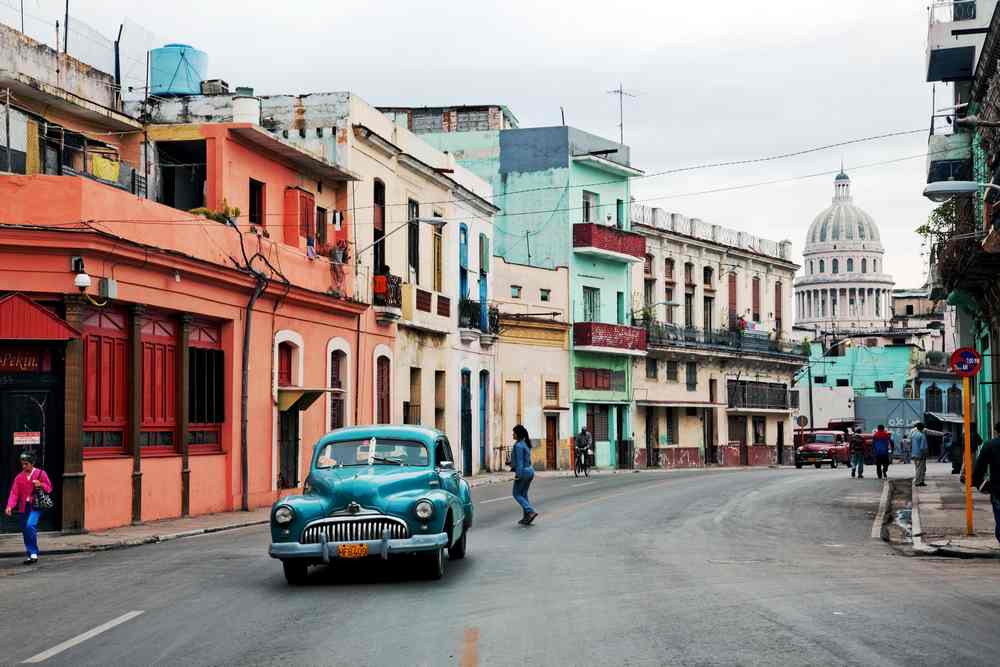
For the uninitiated, Cuba lies about 230km off the southern tip of the State of Florida in the United States.
But, life on the relatively small Caribbean island couldn’t be more different from that of its more developed neighbour.
The 11.5 million people who live on the island are often upset by social and economic injustice they face daily as a result of decades-long sour diplomatic relationship with the US since the 1960s.
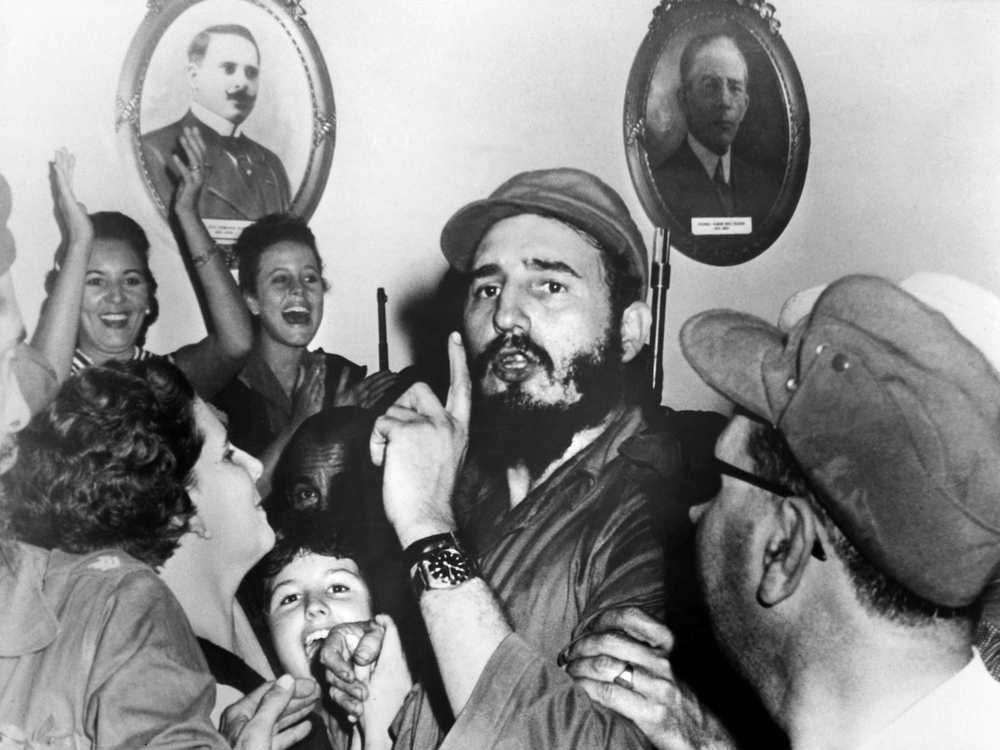
It all began when the country’s late Prime Minister Fidel Castro overthrew Fulgencio Batista’s US-backed authoritarian regime in 1959 and aligned the country with the Soviet Union.
As US-Cuba relations got worsen, then US president John F. Kennedy placed an official blockade on all trades between both countries on February 3, 1962, and it has since been in place.
The blockade not only affected trade deals between Cuba and US but quite the entire world.
Refusing to give in, Castro placed education and arts top priority to fight against illiteracy and preserve the country’s cultural heritage.
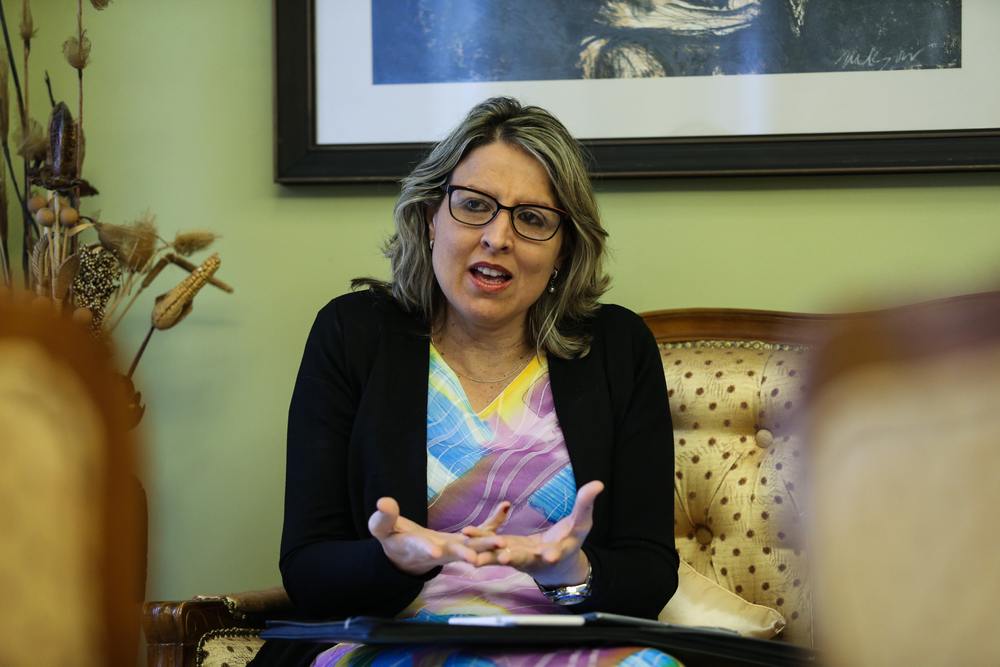
In an exclusive interview with Malay Mail, Cuba Culture deputy minister Kenelma Carvajal Perez said right after the revolution Castro launched a massive campaign to eliminate illiteracy in one year.
“Before the revolution, many people were not literate enough to interpret art or even recognise its importance.
“Therefore, Fidel Castro’s government developed a cultural policy to facilitate the development of arts and literacy at various national institutions,” she added.
The aim was to give Cuban people equal right and possibility to access and participate in the country’s cultural development.
As a result, it was reported that by 1962, the country achieved an adult literacy rate of 96 per cent, one of the highest in the world.
Today, the country has an impressive adult literacy rate of 99.75 per cent.
Ever since the initiative, Kenelma said, it became compulsory for students to take up arts modules as part of their school curriculum.
“The most talented pupils were then recognised and selected to enter the National Art School and take part in various local and international exhibitions.
“This created a perfect opportunity for many talented youth living in remote areas to come to Havana to meet renowned artists,” she said.
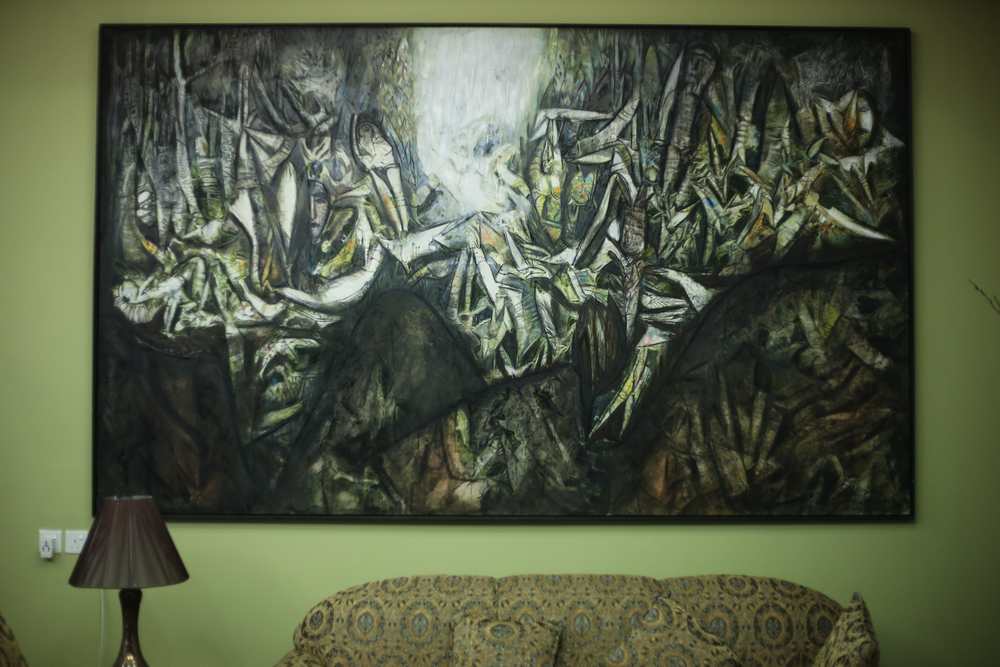
But, the road to literacy was paved with lots of challenges.
After the revolution, the Cuban art scene became rather divided when some of the artists left the island to pursue their careers in exile.
To keep the industry together, Kenelma said, the government quickly enforced several policies to sponsor various platforms and empower the remaining artists to nurture young talents who have now become prominent international artists.
Some of the country’s influential artists include Nelson Dominguez, Roberto Fabelo and Kcho.
In almost every town, you now can find a library, art gallery, a dancing group or a music band.
Kenelma, who is in Kuala Lumpur to attend the eighth World Summit on Arts and Culture, said Cuba’s thriving arts scene today reflects the island’s rich mix of cultures.
“The culture is a complex mixture of European, Amerindian and strong African influences.”
Aside from arts, Cuba is a country with tangible rhythm and tempo.
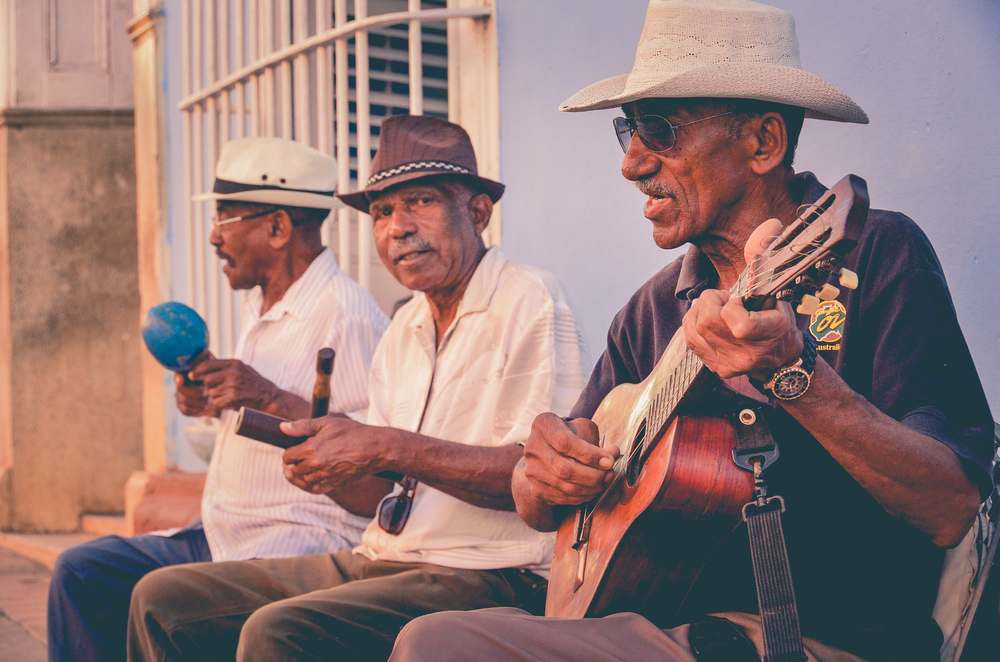
Kenelma said music and dance are the heart and soul of the island.
“Cuban music is a blend of soulful Spanish melodies and lyrical traditions with dynamic African percussion and beats.
“There’s also the popular Afro-Cuban jazz influenced by North American jazz mixed with traditional Cuban rhythms and different techniques of improvisation that make our music unique,” she said.
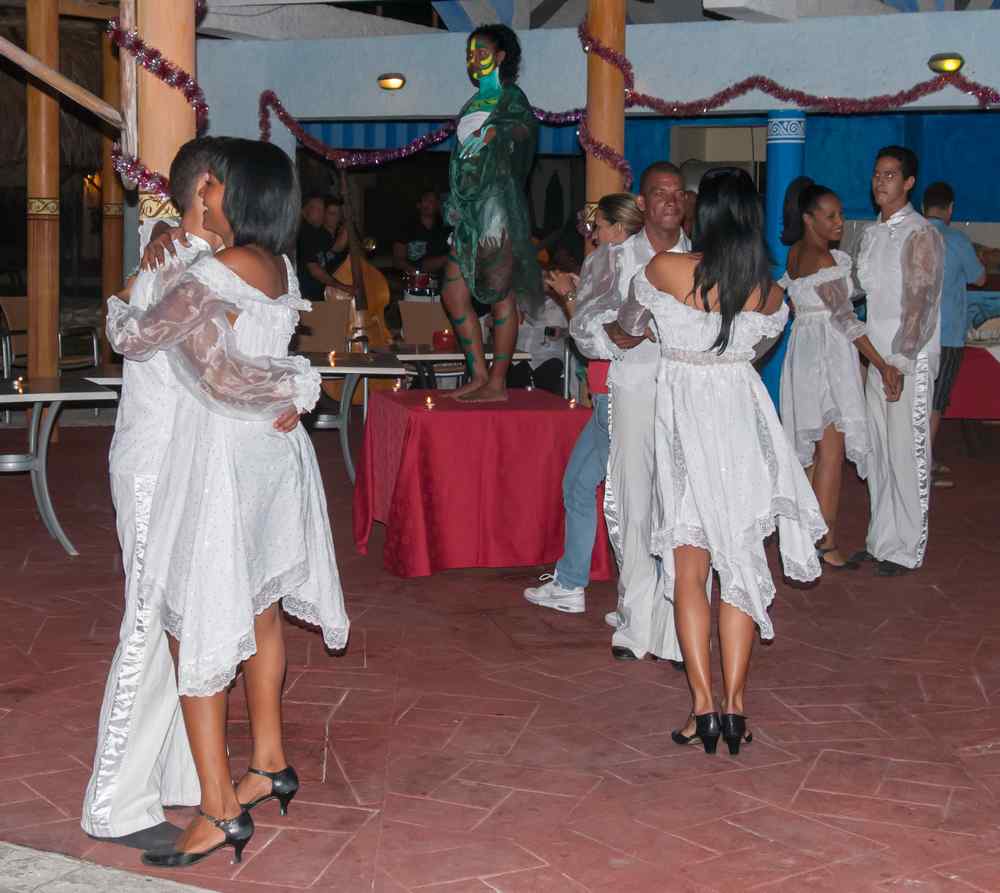
Along with the music, dance is intimately connected with Cuban culture.
“Dancing is a huge part of our culture,” said Kenelma.
“Almost all the locals can move beautifully across the dance floor.”
The country is also home to one of the world’s biggest ballet school, the Cuban National Ballet School, which has over 3,000 students.
Despite impressive developments over the past few decades, Kenelma said the country’s arts and culture sector was severely affected as the blockade limited the imports of dance, music, printing and arts equipment and instruments needed for the sector to function.
“We had no choice but to purchase the instruments in faraway markets, which eventually come with a hefty price tag.
“The blockade has also limited visits to the island by American art buyers and even at time restricted Cubans from entering US for art exhibitions,” she said.