










COMMENTARY, Sept 8 — It’s fascinating how getting older sometimes means getting more honest with yourself; there just isn’t enough time for bull and baloney.
This candour extends to how I eat or, rather, how I prefer to eat. There were years, for instance, where I’d avoid ordering siu mai — those perfect parcels of prawn and pork — in favour of more intriguing items when dining at a dim sum restaurant.
Perhaps pan-fried cheong fun rice rolls in XO chilli sauce? Or those collagen-rich “phoenix claws” paired with fragrant fermented black beans?
Surely some steamed lotus paste buns with salted egg yolk will satisfy, with their pleasing, oozing lava drama?
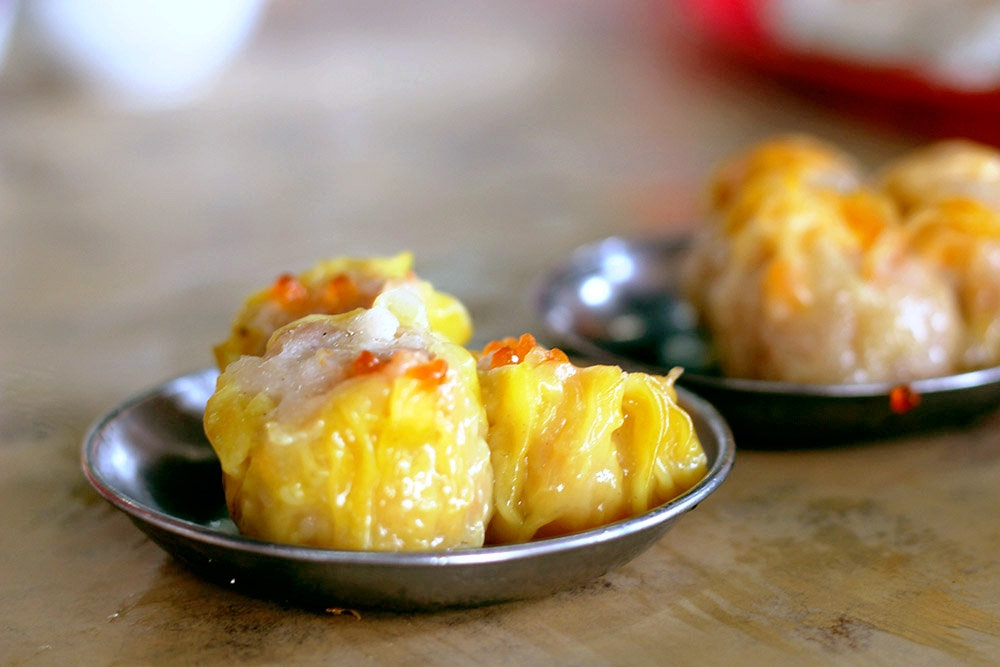
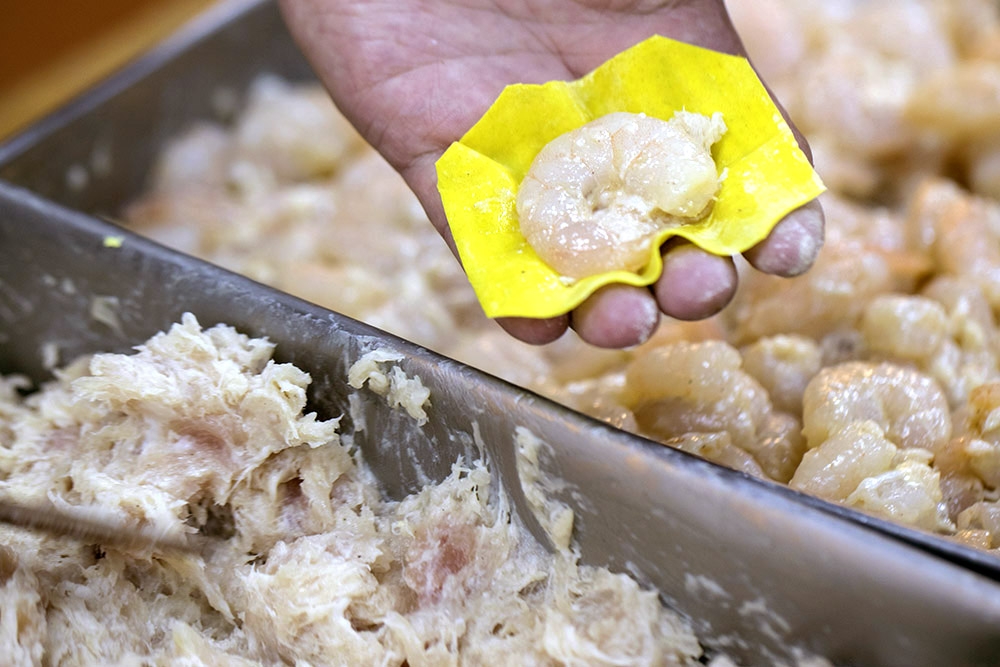
Siu mai, on the other hand, with a folded yellow wantan wrapper forming a pocket for minced pork and a plump prawn, seems almost a relic.
Too plain, even with the few orbs of vividly orange tobiko (flying fish roe) at its centre.
Why, then, am I always drawn back to this humble dim sum?
Maybe it’s the familiarity that makes the heart grow fonder; that taste that I recognise anywhere. So comforting.
Maybe it’s the experience required to make them, the slow spooning of the meat into the half folded wrapper, the correct number of minutes in the steamer.
They say homemade is best but I dare say most restaurants will do much better (they have had more practice, surely?) so long as they don’t skimp on the filling or use the admittedly more convenient frozen variety.
From KL to Ipoh, the song of the siu mai calls to me like the sirens to Odysseus (albeit a far less murderous melody than that of Persephone’s past playmates).
Is siu mai different elsewhere though?
Certainly when I visited Hong Kong, that bastion of Cantonese cuisine, a trip to a proper dim sum restaurant is a must (or so my local friends tell me).
Even then, there is a wide variety of choices, from nearly 24-hour eateries where you can have your baked chasiu sou with polo bun crust at three in the morning to more refined establishments where the well-heeled congregate for a Cantonese take on high tea.
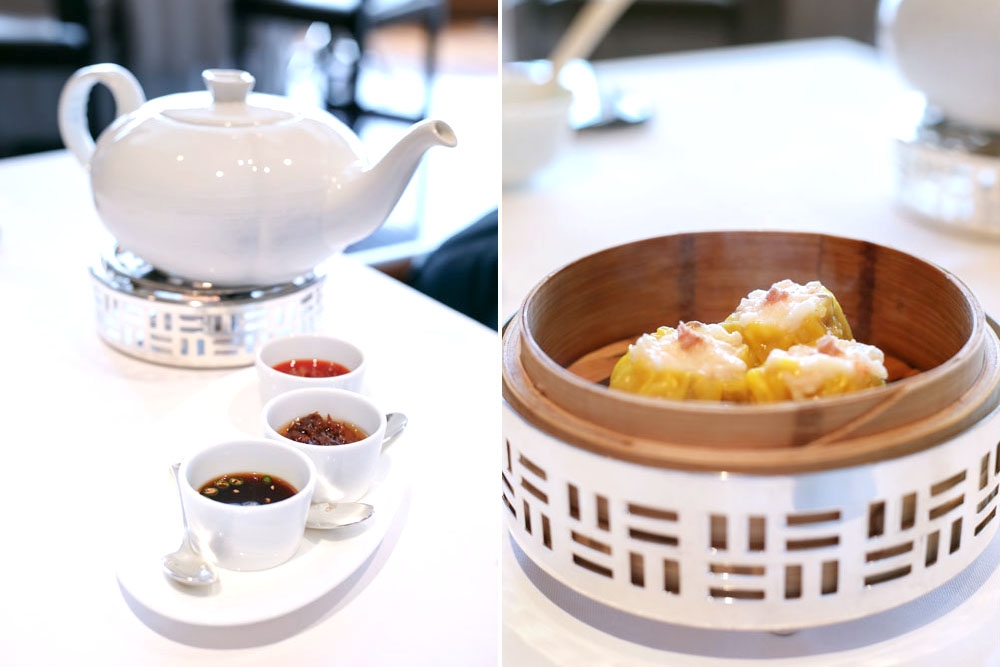
The latter can either be an elegant affair or an unabashed bougie fest depending on how you approach it. (There’s a reason dim sum here is sometimes associated with tai tai culture when you partake during the weekday hours when others are more gainfully employed.)
Still, it’s easy to forget all that when we take in the ethereal “blossoms” before us, these tiny petalled sacks of siu mai crafted by hands that have spent decades making the same thing over and over.
Instead of the brilliant orange of tobiko, each bundle of juicy pork is garnished with a decadent crown of real hai wong.
The rich crab roe turns to a paler yellow and is creamy rather than the tobiko’s distinct pop when you bite into it.
Details like this make all the difference, from the clean, properly ironed white table cloths to the pot of tea brewed from aged, estate-specific Pu-erh cakes.
Yet siu mai doesn’t need to be so fancy or fussy.
Or, indeed, even a sit-down occasion. In Bangkok, particularly the Thai Chinese neighbourhoods of Yaowarat and Songwat (the former is widely recognised as the capital’s Chinatown), one can enjoy siu mai standing by the streets.
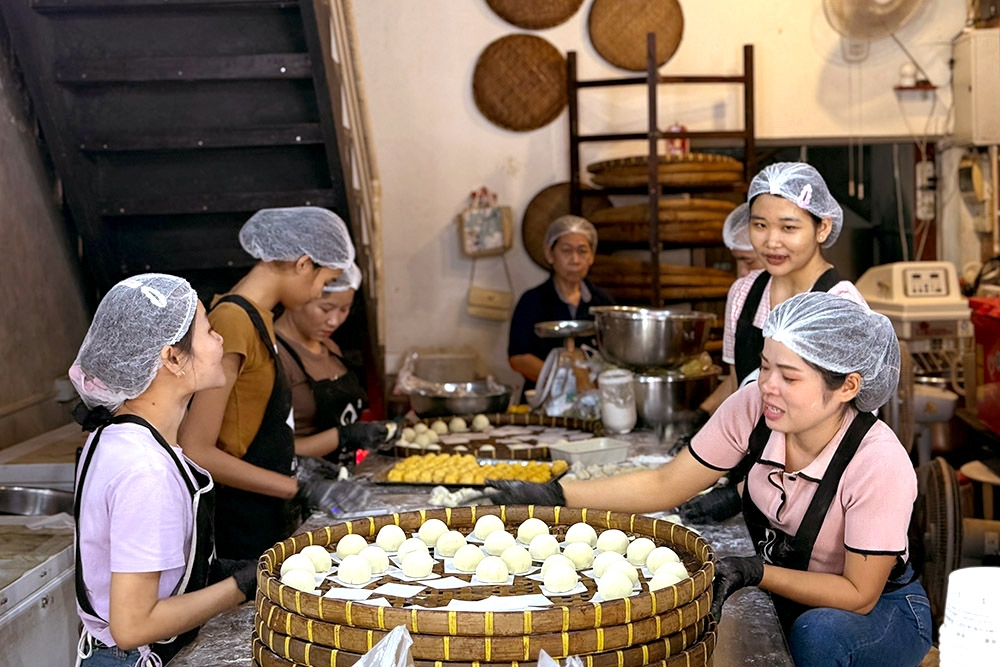
Every corner seems to reveal a different artisanal shop, easily a century old. There are dim sum or bao makers, now redesigned in the style of “open kitchens” so you can see the workers making the buns or dumplings fresh.
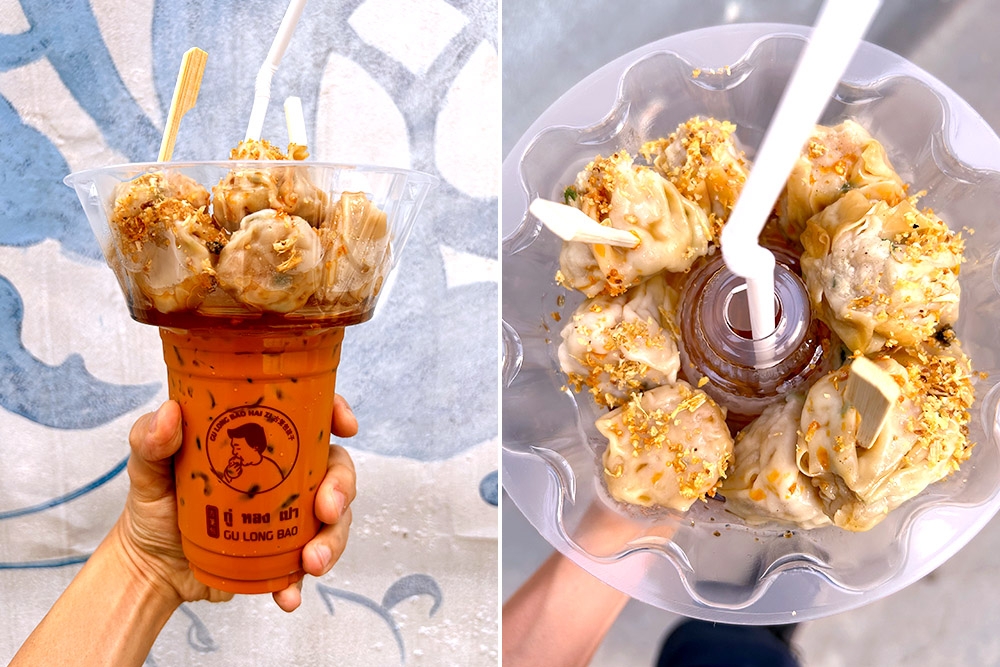
Called both shumai and khanom jeeb here, these are typically served with a tangy, spicy chilli and vinegar dipping sauce rather than the chilli sauce we are used to.
Sometimes they add a garnish of fried garlic, which adds a lovely aroma to every bite. Toothpicks make it easy to nibble on as you stroll along the soi and explore the heritage area.
Of course, in these times of over-tourism, even this no-frills dumpling can be repackaged; one popular spot offers the siu mai in a circular tray sitting atop a cup of iced Thai tea. An ingenious way to enjoy the best of both worlds, I guess?
And so it is with wherever the Chinese diaspora finds itself around the world, from Melbourne to Munich.
In the Philippines, you can enjoy siomai made with ground pork and beef; the dipping soy sauce is brightened with calamansi juice.
All the way in South America, siu mai arrived in Peru courtesy of 19th-century Chinese immigrants who merged Cantonese cooking with local ingredients to create the dynamic Chifa fusion cuisine.
There is a siu mai for every tastebud and for every time of life, wherever we find ourselves.
At the end of the day, however we enjoy our siu mai, from a beaten up bamboo steamer at a kopitiam to a high end dim sum restaurant, its song remains the same.
For the song of siu mai is not the song of sirens. No, to sing of siu mai is to sing for one’s supper. A shared supper (or dim sum breakfast or yum cha session; you get what I mean).
This is a song of simple morsels enjoyed best, not alone, but with those you love. Washed down with plenty of hot Chinese tea and the sound of uproarious laughter. That’s life, really, the very best life.
For more food fables and café chronicles, visit Life for Beginners.