












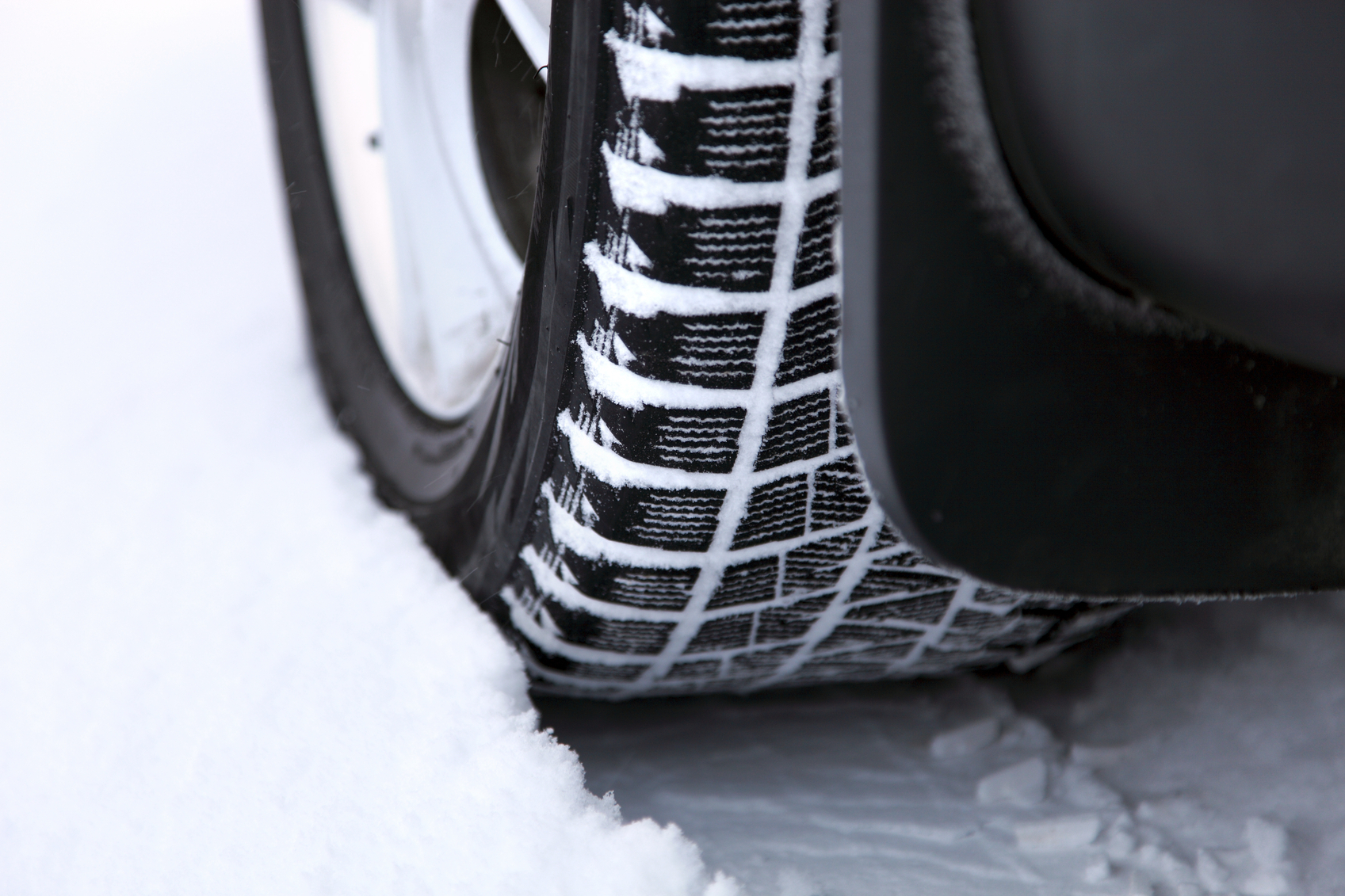


BERLIN, Nov 28 — As temperatures drop, drivers may want to think about switching to winter tyres, which are highly recommended.
When the temperature drops below 7°C, the adherence of regular tyres is reduced, which in turn increases braking distances and the risk of aquaplaning or losing of control of the vehicle.
This is the crucial time to change tyres.
In fact, contrary to popular belief, it is recommended to use winter tyres as soon as the temperature drops below the critical 7°Celsius mark, even when it isn’t snowing.
Winter tyres offer several advantages.
First of all, they maintain their elasticity even at lower temperatures, which can improve braking distances by up to 20 per cent.
Winter tyres also have five times more fine grooves, or “sipes,” on the tread surface than traditional tyres, boosting adherence to the ground.
Finally, they have wider and deeper tread grooves to rapidly evacuate rain, snow and mud.
Drivers should always be sure to change all four vehicle tyres and not just those on the drive wheels.
As well as winter tyres, drivers should also carry an ice scraper in their car, as well as protective covers for vehicle windows.
Other useful cold-weather gear includes a torch, warm clothing and, of course, high-visibility vests and a warning triangle, in case roads are blocked. — AFP-Relaxness