


ODENSE (Denmark), Oct 15 — “We wait, we wait, we wait. It’s been going on for years,” laments Syrian technician Ahmad Albokie, who is trying to acquire Danish nationality but faces a long and uncertain path.
Denmark’s strict naturalisation procedure takes about two years on average, but Albokie’s case has been delayed due to this year’s election and because parliament needs to formally approve every new citizen.
He has already had to clear several hurdles to be eligible, including secure employment, a permanent residence permit, a clean criminal record, and qualifications in language and Danish general knowledge.
After signing a declaration of loyalty and allegiance to Denmark, in June 2023 he was finally able to apply for citizenship for himself and his three children.
Twice a year, a bill listing every person to be naturalised is presented to parliament for debate and adoption.
Albokie’s name was set to appear on a bill put forward in October 2025.
“Because Denmark held the EU presidency, it was postponed to January 2026. In 2026, a first reading in parliament was to begin, but when the prime minister called parliamentary elections, it was dropped,” he told AFP.
“My life came to a halt because of those parliamentary elections,” he said.
‘Second-class citizen’
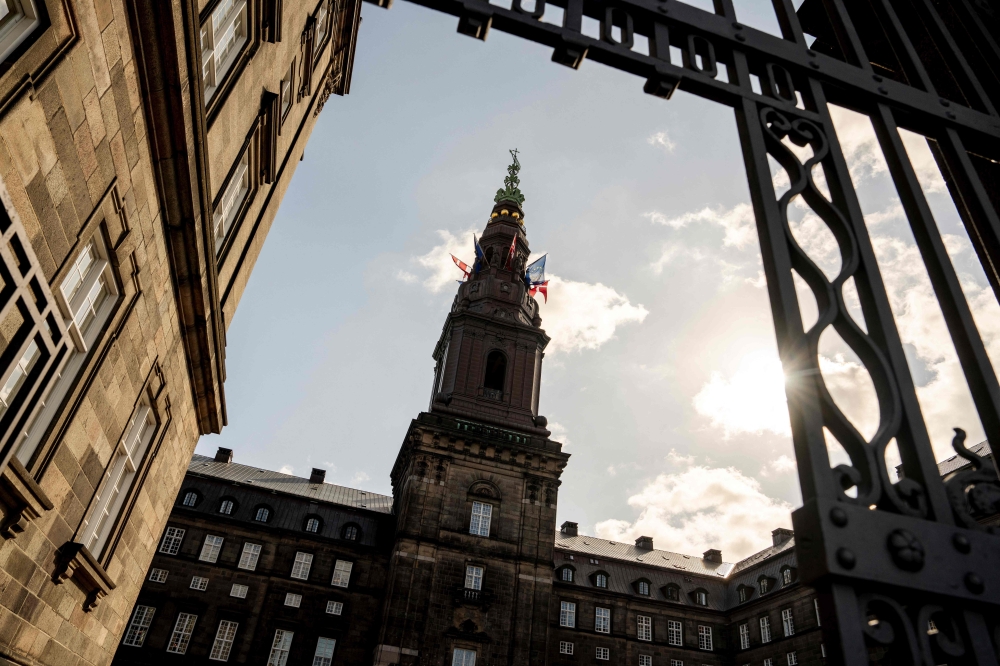
The government, led by the Social Democrats who are staunch advocates of a restrictive citizenship policy, is now considering a new bill to be presented in 2027, after all applications for citizenship are re-examined.
Like Albokie, more than 2,000 people, not counting their children, are waiting for a clear decision on a path forward.
“I feel very disappointed and not really welcome. It’s as if I were a second-class citizen,” one of them, Sandra Frederiksen, told AFP.
For Albokie’s eldest daughter, time is running out.
Jouli was 14 when Albokie first submitted her application. Today, she is 17.
If she does not obtain Danish citizenship through her father before her 18th birthday, she will have to start the process again on her own.
“When I get to the point where I have to apply for Danish citizenship myself, there may be new rules and new requirements, which could make it harder for me,” the teenager said.
“Just the idea of having to go through all that again, and on top of it all alone, is really stressful,” she said.
Jouli is in her first year of high school and after that she wants to study medicine.
“My goal was to do it here in Denmark, but that may well be over now,” she said.
‘Kafkaesque’ procedure
Left-wing MP Peder Hvelplund wants to speed things up, saying the long delays can have “serious consequences for the hundreds of children who were expecting to obtain citizenship through their parents”.
“They now risk having to go through a very long and almost Kafkaesque procedure to obtain citizenship. It’s completely unreasonable,” he told AFP.
His party, The Red-Green Alliance, is supporting the government, but wants to reform the citizenship process.
By making the acquisition of nationality conditional on a parliamentary vote, each applicant can become the subject of a political debate, a system that encourages the stigmatisation of candidates on the basis of isolated cases, Hvelplund said.
“It gives people who want to paint applicants as criminals the chance to take an isolated case and say: ‘Look, here’s one, he committed a crime. They’re all like that!’” he said.
The government now wants to introduce additional screenings of applicants to ensure they share certain values, with a bill to that effect expected to be presented soon.
“Danish citizenship is one of the finest gifts that foreigners can receive,” the immigration ministry said recently.
“It should only be granted to people who are loyal to Denmark and whose values are in line with Danish values,” it added. — AFP


