


OCTOBER 3 — Malaysia’s tourism industry is having a strong year. The country recorded 21.2 million international visitor arrivals in the first half of 2026 as Visit Malaysia 2026 brings renewed attention to the country’s tourism potential. The encouraging figures, however, also invite a broader question about what happens after visitors arrive. As the number of travellers grows, are we equally prepared for a new generation of visitors whose expectations of travel are changing?
The traveller is changing
Travel is no longer simply about visiting a destination and moving on to the next attraction. Increasingly, travellers want to understand and experience the places they visit, whether through local food, cultural activities, nature, community interaction or experiences that give them a stronger connection with the destination. Tourism Malaysia’s research found that exploring new experiences was the leading motivation among Malaysians planning international holidays, suggesting that the appeal of travel is increasingly tied to what people can experience rather than simply where they can go.
This shift matters because it changes the way destinations need to think about what they offer. A visitor may choose Malaysia because of its attractions, but the quality and uniqueness of the experience can influence whether that visitor stays longer, spends more locally or considers returning in the future.
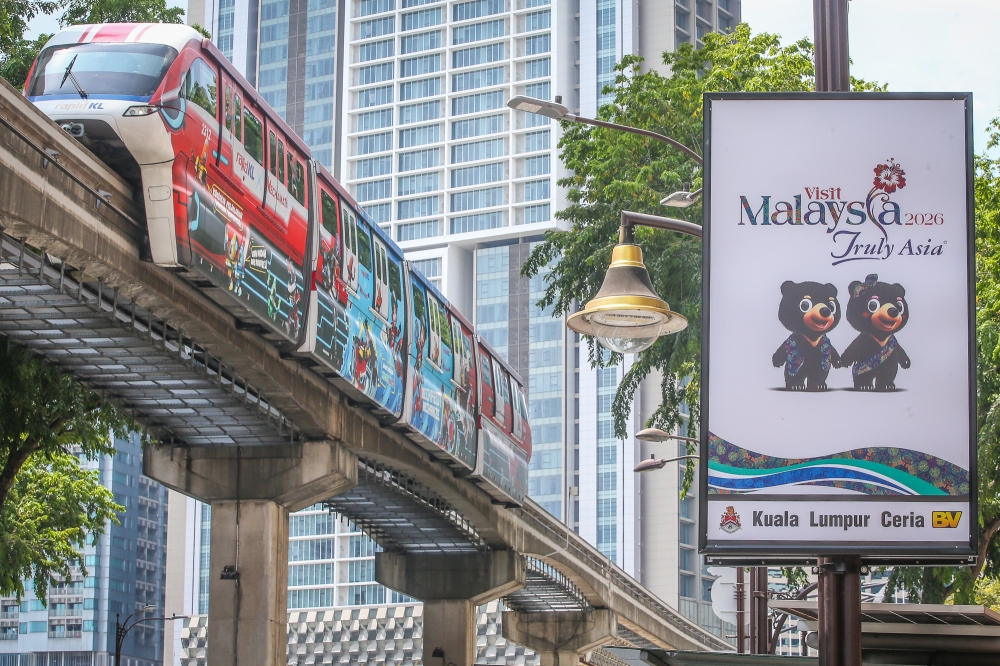
Malaysia has more than places to offer
Malaysia is well positioned for this change because many of the experiences sought by travellers are already part of everyday life here. Our food, cultural traditions, heritage, natural landscapes and diverse communities provide opportunities that cannot easily be reproduced elsewhere, but these strengths need to be presented as experiences rather than simply listed as attractions.
A visitor who tastes a traditional dish, for example, can be offered more than a meal when the experience also introduces the story, people and traditions behind it. Likewise, a visit to a rural community can become more meaningful when travellers are given opportunities to understand local food, crafts, agriculture or customs rather than simply passing through the area.
The difference may seem small, but it can change how visitors remember a destination and how much value they attach to the overall trip.
A wider opportunity for local communities
This changing preference also creates opportunities beyond the conventional tourism industry. When travellers seek experiences, small businesses, local food operators, homestays, artisans, guides and community groups can all become part of the tourism offering, allowing tourism spending to reach people who may not benefit directly from large attractions or international hotel chains.
This is particularly relevant for smaller towns and rural areas, where the strength of tourism may lie not in major attractions but in local character. Encouraging visitors to eat locally, purchase locally made products, participate in community activities or spend more time in these areas can help spread the benefits of tourism beyond the usual destinations.
In this sense, the tourism boom can become an opportunity not only to attract visitors but also to create a wider economic role for local communities.
The experience does not end with the attraction
Creating memorable experiences, however, requires more than attractive destinations. The small details surrounding a trip can influence how visitors perceive Malaysia, from cleanliness and accessibility to hospitality, service quality and value for money. A destination may have everything needed to attract a visitor, but a poor experience along the way can affect whether that person recommends it or returns.
This means tourism businesses need to look beyond the product itself and consider the entire visitor experience. A meal, a homestay, a cultural activity or a nature excursion becomes more valuable when it is convenient, welcoming and meaningful to the visitor.
As expectations change, understanding the traveller becomes just as important as promoting the destination.
Are we ready?
Malaysia does not need to create a completely new tourism identity because much of what today’s travellers are looking for is already here. What matters now is how well we connect these strengths and turn them into experiences that visitors can discover, enjoy and remember.
Visit Malaysia 2026 provides an opportunity to do exactly that, but the success of the tourism boom should not be judged only by the number of people arriving at our borders. It should also be reflected in the quality of their experiences, the opportunities created for local businesses and communities, and the reasons they have to return.
Malaysia has plenty of places worth visiting. The next challenge is to make those places worth experiencing, while ensuring that the people who make those experiences possible are part of the growth that follows.
* Dr Nurul Fardini Zakaria is a Senior Lecturer in Marketing at the School of Business Management, Universiti Utara Malaysia (UUM), with expertise in consumer behaviour, digital marketing, sustainable consumption and consumer welfare.
** This is the personal opinion of the writer or publication and does not necessarily represent the views of Malay Mail.


