


SEPTEMBER 5 — Many years ago, I wrote a piece in the now defunct The Malaysian Insider with this same title, Don’t Hate Me Because I’m Beautiful. The title itself was borrowed from Pantene’s famous 1980s advertising campaign, in which model and actress Kelly LeBrock delivered the now iconic line, “Don’t hate me because I’m beautiful.” It was deliberately provocative then, and it still is. I did not imagine I would use it again. But politics is full of recycled problems, so here we are.
The recent fascination with the divorce of a woman politician brought it back because, after all the talk about privacy, I was left with a more familiar irritation. A woman can enter politics, win office and make decisions that affect thousands of people, yet it takes very little for the conversation to move from what she does to what kind of woman people think she is.
Malaysia has a very particular way of dealing with successful women. We celebrate them, but only up to a point. A woman can be accomplished, yet the moment she becomes outspoken, assertive or visibly comfortable with her own success, the judgment starts. Confidence is easily rewritten as arrogance. If she is attractive and that happens to work in her favour, people are quick to assume she is using her looks to get ahead. She can be ambitious, but she is still expected to be pleasant, warm and endlessly likeable. Dress well and people talk about the clothes before the work. Grow older and suddenly her face becomes a public discussion. Be unmarried, divorced or without children and somehow that becomes relevant too.
A male politician, meanwhile, can be arrogant, corrupt or mediocre, and usually those qualities give us more than enough to talk about. We rarely need to inspect the rest of his life to decide whether he deserves to be taken seriously.
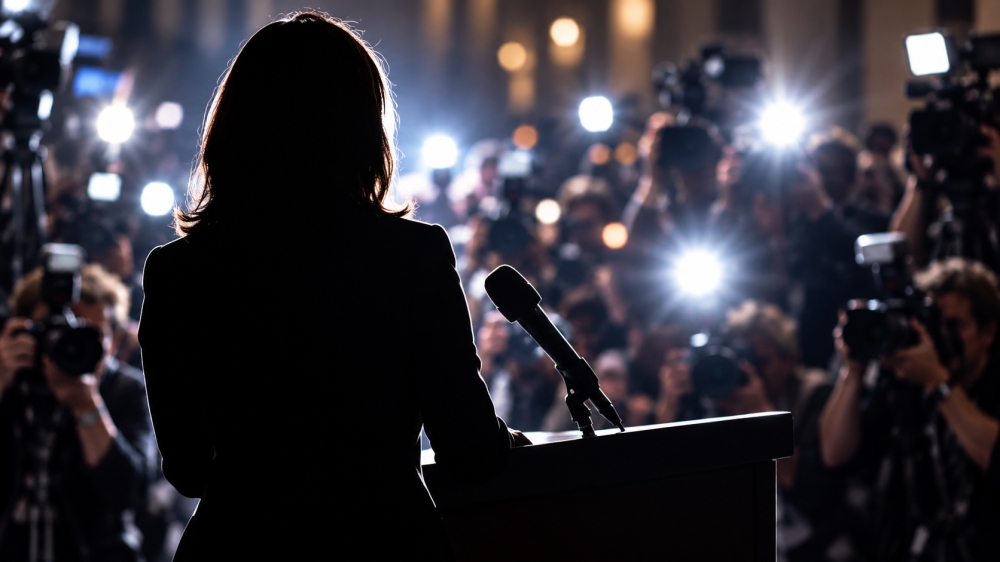
Malaysia has talked about the 30 per cent target for women in political representation for years, yet women still make up only about 13.5 per cent of Dewan Rakyat seats. In June, the Parliamentary Special Select Committee on Women, Children and Community Development pointed to male-dominated party structures, money, unequal domestic responsibilities, gender stereotypes and sexual harassment among the barriers women face. A 2026 study of GE15 coverage also found women politicians being discussed through motherhood and age, while being a woman in politics could itself be framed as something unusual.
And even when women do enter politics, there is still an expectation that they should behave in certain ways, speak in certain ways and carry themselves in ways considered acceptable for women. The problem is not that women lack confidence. It is that politics still makes it harder for them to enter, harder for them to stay and, once they are there, harder for them to simply be taken seriously.
Malaysia then adds religion, race, class and colourism into the mix, giving women even more things to be judged for. Too sexy, too plain, too covered, not covered enough, too modern, too conservative, too old for that dress, too dressed up for politics. There seems to be a correct amount of everything, although nobody can quite tell you what it is. And sadly, women sometimes judge other women by these same standards too.
I should also say what I mean by “beautiful” here. I am not using the word as though beauty is fixed, universal or somehow neutral. What counts as beautiful is shaped by the society we live in, by race, class, skin colour, age, body type, and fashion, and those standards keep changing. So this is not about deciding who is or is not beautiful. It is about what happens when a woman is seen as attractive, when that attractiveness carries social value, and especially when she is comfortable enough not to apologise for it.
Beauty can bring privilege, and in Malaysia ideas of beauty are often tied to money, race, class, colourism and youth, so there is no point pretending otherwise. But acknowledging beauty privilege does not mean reducing a woman to her beauty. She can care about politics and love high heels, she can understand power and enjoy a wearing a beautiful, sexy dress. She can be intellectually serious without having to conform to some idea of how a woman is supposed to look. Men have enjoyed that freedom for centuries without anyone suggesting that what they wear somehow makes their ideas less serious.
But beauty can also turn against a woman remarkably quickly. A woman who is seen as attractive and sexy can just as quickly be taken less seriously, treated as superficial, or assumed to have advanced because of how she looks rather than what she knows or can do. Is she really that capable, or did her looks helps? Did she persuade people, or charm them? Is she confident, or simply vain? Is she successful, or did somebody give her an easier route?
That is the strange bargain. In politics, this can become especially cruel. The same appearance that attracts attention can also be used to question her competence, motives or credibility. Beauty may open some doors, but it can also become another reason for people to doubt what is behind them.
It also helps explain why so many women in politics learn to dress down, or at least to dress carefully enough not to become the story themselves. But why should they have to think this way in the first place? Why should looking glamorous or sexy make a woman seem less serious about politics? Why should credibility require her to mute parts of herself before she even speaks?
What looks like a simple choice about how to dress is often shaped by how women know they will be judged in public. Wear this, not that. Look good, but not so good that people stop listening. Be stylish, but do not appear too interested in style. Show personality, but make sure there is not so much personality that somebody finds it threatening. That is not really freedom of choice. It is women learning to manage other people’s prejudices before they are allowed to get on with the work.
So yes, I am using the title again. Don’t Hate Me Because I’m Beautiful is not asking for permission, sympathy or admiration. The title is deliberately provocative because the problem itself is absurd. A woman should not have to make herself smaller, duller, quieter or less certain of herself just to be taken seriously.
Beauty does not diminish intelligence, confidence should not be mistaken for arrogance, and style says nothing about the depth of a woman’s thinking. And if a woman knows she is beautiful, capable and powerful, the problem is not that she knows it. The problem is that we are still uncomfortable when she does.
Criticise women politicians for their policies, expose incompetence, question how they use power and vote them out when they fail, because equality should never mean immunity from criticism. But when the conversation keeps returning to their personal lives and appearance, we are no longer judging them only as politicians. We are punishing women for being too visible, too confident, too beautiful, or too powerful. Don’t Hate Me Because I’m Beautiful is really about that. The problem is not that a woman knows her worth. The problem is that we still expect her to pretend she does not.
* Khoo Ying Hooi, PhD is associate professor at Universiti Malaya.
** This is the personal opinion of the writers or publication and does not necessarily represent the views of Malay Mail.


