


AUGUST 21 — Malaysia has spent years making finance easier.
We can pay for lunch without cash, transfer money in seconds, invest from a phone, obtain short-term credit almost instantly and receive financial advice without ever stepping into a bank.
That is progress.
But there is a paradox at the heart of our increasingly digital financial lives: the easier money becomes to move, the more demanding financial judgement becomes.
This is why digital financial literacy should no longer be understood simply as the ability to use financial technology.
A person can be highly proficient with an e-wallet and still fall for a fraudulent payment request. Someone can navigate an investment app effortlessly yet struggle to distinguish licensed advice from persuasive social-media content. A consumer may understand budgeting perfectly well and still underestimate what five seemingly small instalment commitments will do to next month’s disposable income.
The divide we should worry about, therefore, is no longer simply between those who have access to digital finance and those who do not.
It is increasingly between those who can use digital finance and those who can exercise judgement within it.
Bank Negara Malaysia’s own figures make this distinction difficult to ignore. One in six Malaysians has encountered fraud or scams, while six in ten overlook basic online security measures. About 95 per cent of reported fraud cases are linked to authorised scams — situations in which victims themselves transfer funds or surrender credentials after being manipulated.
That is not merely a cybersecurity problem.
It is a financial behaviour problem.
The strongest security system can still be undermined when a consumer is persuaded to act before thinking. Fear, urgency, authority, familiarity and the promise of opportunity have always influenced financial decisions. Digital technology simply allows these pressures to arrive faster, look more convincing and reach more people.
Artificial intelligence raises the stakes further.
AI can make financial information more accessible and personalised. But it can also generate inaccurate answers, reproduce bias, blur commercial interests and create new privacy risks. Recent OECD work on AI and personal finance therefore places an increasingly important competency at the centre of financial decision-making: consumers must be able to evaluate not only financial information, but also the systems producing it.
The important question may soon no longer be simply, “Is this financial advice correct?” It may also be, “Who — or what — generated it, what information shaped that recommendation, and whose interest does it serve?” The same shift is occurring in spending.
Cash once created visible friction. We watched money leave our hands.
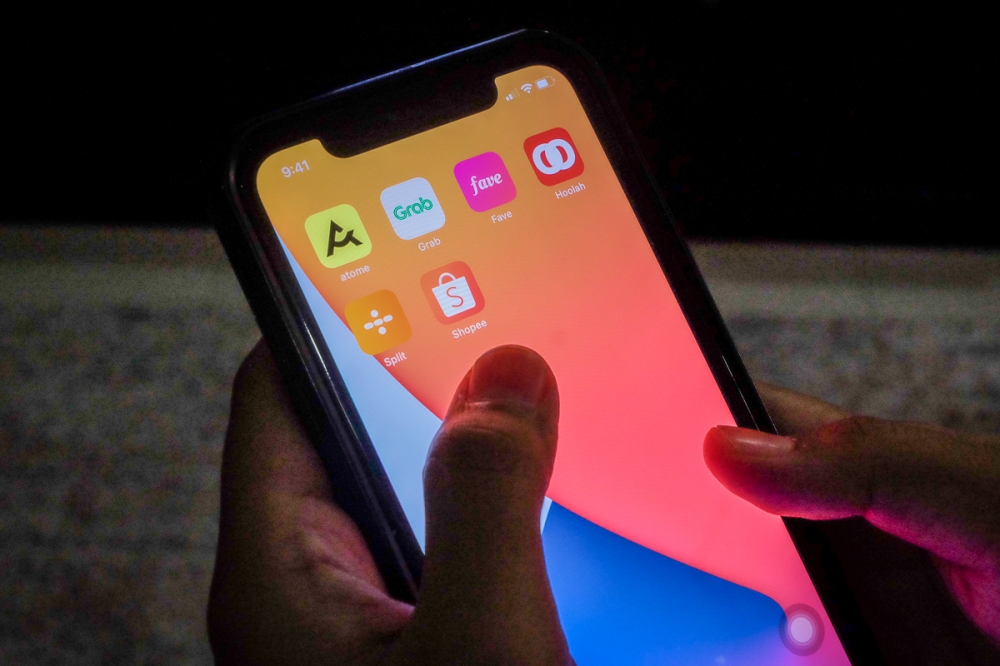
Digital finance removes much of that sensation. A tap, scan or click separates consumption from the physical experience of paying. Instalment products can make a large purchase appear psychologically smaller by breaking it into amounts that feel manageable in isolation.
None of this makes digital payments or Buy Now, Pay Later inherently harmful. Both can improve flexibility and access.
The concern arises when convenience becomes invisibility — when consumers lose sight of the cumulative consequences of decisions precisely because each individual transaction feels effortless.
Investment has undergone a similar transformation.
A generation ago, financial information was comparatively scarce. Today, the challenge is abundance. Licensed advice, personal opinion, advertising, speculation and entertainment can appear beside one another on the same screen.
The Securities Commission Malaysia has responded by strengthening its framework around online investment promotion and finfluencers, recognising that influence can cross the line into regulated investment advice and expose investors to harm when proper safeguards are absent.
For consumers, this creates a new financial habit worth cultivating: Before asking whether something sounds convincing, ask why it was made convincing.
Malaysia’s policy direction already recognises that financial literacy must evolve.
The National Strategy for Financial Literacy 2026–2030 places financial resilience at the centre of the country’s financial education agenda and identifies stronger digital financial literacy as a strategic priority. The OECD’s digital financial literacy framework for Asean similarly moves beyond access towards the competencies consumers need to navigate and benefit from digital finance safely.
The next task is to translate those ambitions into how financial education is actually delivered.
Teaching people how interest works remains important. But so is teaching them how urgency alters judgement.
Teaching investment risk matters. But so does teaching people to interrogate the credibility and incentives of whoever is recommending an investment.
Teaching budgeting remains essential. But consumers also need to recognise how frictionless payments, recurring subscriptions and fragmented instalments can make spending harder to see.
And teaching people how to access digital finance is no longer sufficient. They must know when to question it, when to verify it and occasionally when to walk away from it.
This also cannot become another exercise in placing all responsibility on the individual.
Financial institutions, technology companies, digital platforms, regulators and educators design the environments in which financial choices are made. Good financial capability requires capable consumers, but it also requires systems that do not depend on consumers being endlessly vigilant.
Malaysia has made remarkable progress in making finance faster, more accessible and more convenient.
The next stage of progress should be measured differently.
Not by how quickly money can move.
Not by how many transactions become digital.
But by whether households remain capable of making sound decisions when technology has made acting almost effortless.
In the digital economy, the most valuable financial skill may no longer be knowing how to transact. It may be knowing when not to.
* Dr Amirah Shazana Magli is a senior lecturer at Faculty of Business and Economics, Universiti Malaya, whose research focuses on household finance, consumer financial behaviour, digital financial literacy and financial resilience.
** This is the personal opinion of the writer or publication and does not necessarily represent the views of Malay Mail.


