


AUGUST 17 — Antarctica is best known for its vast ice sheets and its role in regulating the Earth’s climate. Yet beyond its frozen landscape lies one of the world’s last great frontiers for scientific discovery. Researchers from Universiti Malaya have uncovered promising evidence that fungi from Antarctica may contribute to the development of future treatments for Alzheimer’s disease, demonstrating how Antarctic research can generate tangible benefits for human health and society.
The study focuses on Pseudogymnoascus, a group of fungi isolated from Antarctic ecosystems. Living in one of the harshest environments on Earth, these microorganisms have evolved remarkable survival strategies to withstand subzero temperatures, intense ultraviolet radiation, prolonged darkness and limited nutrient availability. These extraordinary adaptations have enabled them to produce unique natural compounds rarely found elsewhere, making Antarctica a valuable natural laboratory for discovering new medicines, biotechnology innovations and other solutions to global challenges.
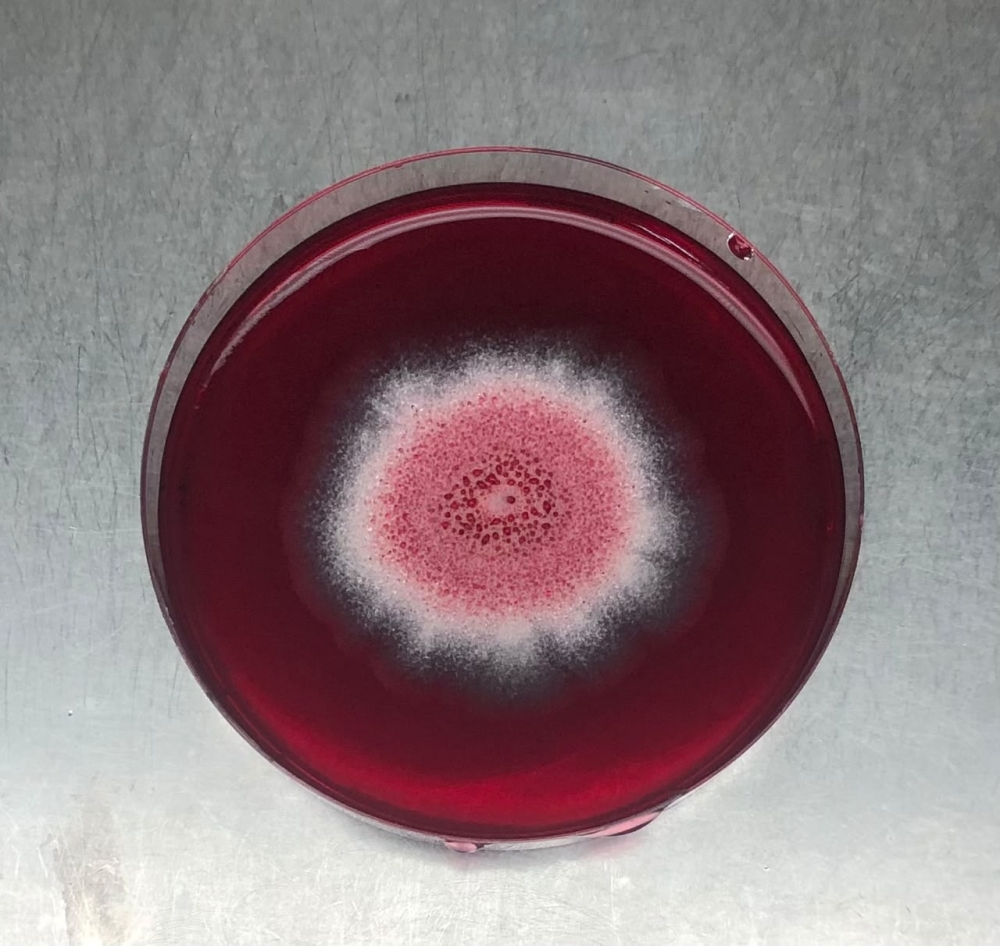
Using advanced computational approaches, including molecular docking, molecular dynamics simulations and pharmacokinetic prediction, the research team identified several fungal compounds capable of interacting with proteins closely associated with Alzheimer’s disease. Laboratory studies further revealed that one fungal extract possesses antioxidant activity comparable to well-known natural antioxidants such as vitamin C and carotenoids. These findings provide encouraging evidence that Antarctic fungi may become valuable sources of future therapeutic agents.
Oxidative stress is recognised as one of the major contributors to Alzheimer’s disease, causing damage to brain cells through harmful molecules known as free radicals. By neutralising these molecules, antioxidant compounds derived from Antarctic fungi may offer new opportunities to slow disease progression or support future therapeutic interventions. The research team is currently conducting further laboratory studies to validate the anti-Alzheimer’s properties of these fungal extracts.
Beyond Alzheimer’s disease, Antarctic fungi have demonstrated potential for producing compounds with antimicrobial, anti-inflammatory, anticancer and neuroprotective properties. Scientists worldwide are increasingly recognising Antarctica as an invaluable reservoir of unique biodiversity that could contribute to solutions for some of humanity’s greatest health challenges. Advances in genomics, metabolomics and artificial intelligence-driven drug discovery are accelerating the identification of these promising compounds, opening new possibilities for pharmaceutical and biotechnology innovation.
The study also demonstrates that the value of Antarctic research extends well beyond understanding the polar environment. While Antarctica remains critical to monitoring Earth’s climate system and environmental change, its unique biodiversity is increasingly contributing to advances in medicine, biotechnology, environmental science and sustainable innovation. Discoveries from one of the world’s most remote regions are generating knowledge and technologies with the potential to improve lives far beyond the polar region.
Ultimately, this discovery serves as a reminder that Antarctica is more than a frozen continent — it is a living laboratory of scientific discovery. From understanding Earth’s changing climate to unlocking the next generation of medicines, Antarctic research continues to expand the frontiers of knowledge and deliver benefits that reach far beyond the ice, contributing to a healthier, more resilient and more sustainable future for humanity.
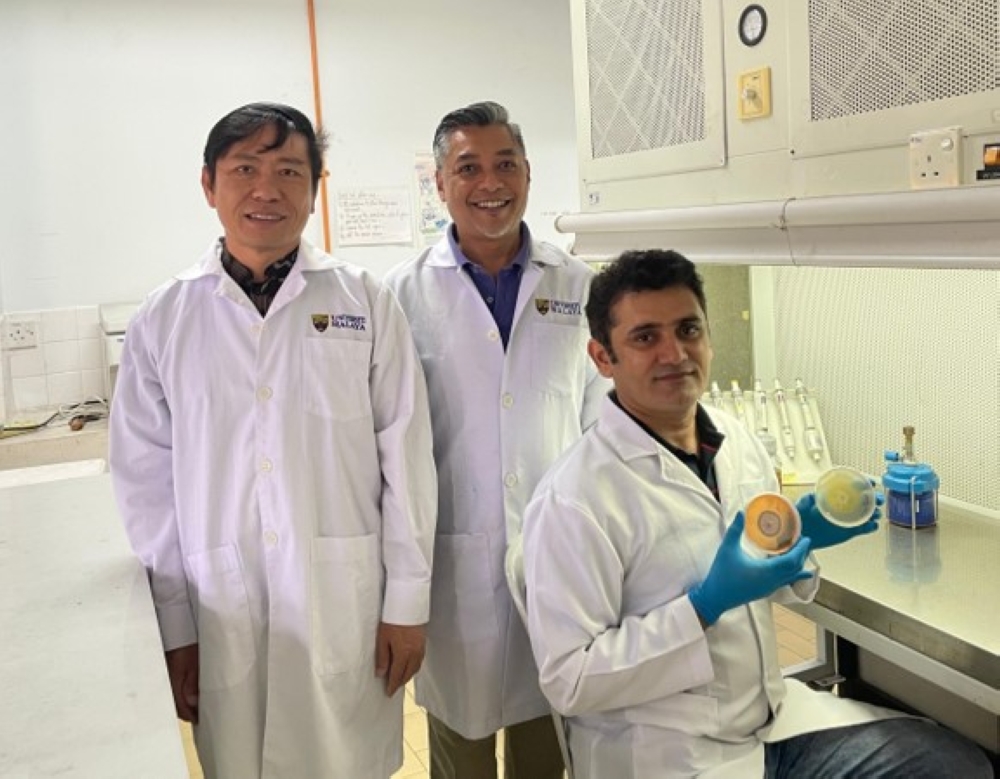
* Associate Professor Dr Teoh Teow Chong from the Institute of Biological Sciences (ISB), and collaborator Associate Professor Dr Mohammed Rizman Idid from the Institute of Ocean and Earth Sciences (IOES), Universiti Malaya, together with their PhD student, Tehseen Nawaz, are investigating the medicinal potential of these Antarctic fungi.
Through the support of the National Antarctic Research Centre (NARC), Universiti Malaya and funding by the Yayasan Penyelidikan Antartika Sultan Mizan (YPASM), the research identifies bioactive compounds that could be developed into therapies for neurodegenerative diseases, particularly Alzheimer’s disease.
Studies such as this reinforce the nation’s contribution to global scientific knowledge while creating opportunities for healthcare innovation, scientific excellence and sustainable development. The research also supports the United Nations Sustainable Development Goal 3 (Good Health and Well-being) and aligns with Malaysia Madani’s aspiration to strengthen healthcare services through science, technology and innovation.
Dr Teoh and Dr Mohammed Rizman are also core members of the National Antarctic Research Centre (NARC).
** This is the personal opinion of the writers or publication and does not necessarily represent the views of Malay Mail.


