


JULY 8 — There are football scandals, and then there is whatever Fifa is currently serving at this World Cup: a flaming buffet of disappearing goals, political phone calls, red-card miracles and “independent” committees that somehow make independence look like a hostage video.
The beautiful game has always had injustice. A bad whistle here, a blind linesman there, a referee who appears to have borrowed his eyesight from a boiled potato. That was part of football’s tragic charm. But this World Cup feels different. This is not old-fashioned human error. This is bureaucracy with a whistle. This is technology behaving like a nightclub bouncer. This is Fifa telling the world the rules are sacred, then quietly checking who is seated in the VIP box.
The most grotesque episode was the Folarin Balogun red-card circus. The American striker was sent off against Bosnia-Herzegovina. Normally, in football’s kindergarten-level moral universe, a red card means a suspension. You are off. You miss the next game. Everyone knows this. Children know this. Drunk uncles in replica shirts know this.
Then Donald Trump entered the chat.
Trump confirmed he had spoken to Fifa president Gianni Infantino and asked for the decision to be reviewed. Fifa then suspended Balogun’s automatic one-match ban for a year, fined him, and allowed him to play against Belgium. Fifa insisted the decision was made independently and legally under its disciplinary code. Of course it did. Fifa could find a man holding a smoking gun in the penalty area and issue a statement saying the smoke was “procedurally consistent.”
The best part? Belgium beat the United States 4-1 anyway. Balogun played. Belgium advanced. The football gods, apparently, still have a sense of humour.
But the damage was done. The question was no longer whether Balogun should have played. The question was much uglier: who gets to make a phone call?
Then came Argentina versus Egypt, and Fifa’s credibility went from limping to bleeding from the ears.
Egypt scored what looked like a monumental goal against Argentina. Then VAR reached backwards into the build-up, spotted a foul on Lisandro Martínez before the move developed, and erased it. Technically, that may be within the rules if the foul occurred in the attacking possession phase. But football is not merely about technical legality. It is about whether justice looks like justice — and this looked like a crime scene being rearranged.
Egypt’s coach Hossam Hassan was furious. Reports said he accused officials of favouring Argentina and suggested the tournament wanted Messi to stay alive. That does not prove a conspiracy. But this is Fifa’s great achievement: it has made conspiracy sound like normal post-match analysis.
And this was not an isolated thunderclap. The group stage had already been littered with VAR controversies. Iran had a stoppage-time winner against Egypt ruled out for a microscopic offside. Ghana felt robbed of a penalty against England. Brazil had a Vinicius Jr goal against Scotland chalked off after VAR found a foul in the build-up. The controversy list now reads less like sports journalism and more like an indictment with studs on.
This is the sickness now: not VAR itself, but selective VAR. The machine sees everything and nothing. It can detect a toenail, a whisper, a molecule of offside. It can resurrect a foul from the archaeological layer of an attack. But then, in another match, it goes silent, stares at the ceiling, and apparently takes a coffee break.
Fans do not hate technology because it corrects mistakes. They hate it because it has begun to feel like power with a replay button. One team gets the microscope. Another gets mood lighting. One goal is examined like forensic evidence. Another appeal dies quietly in the grass.
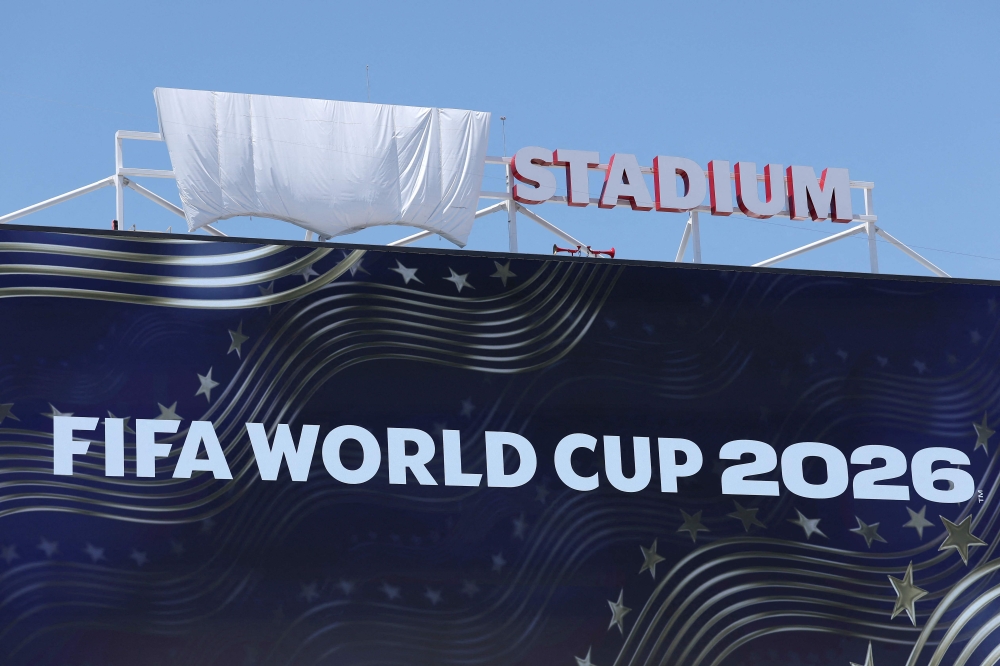
Fifa’s larger problem is that it has spent years asking the world to trust it while behaving like an organisation allergic to trust. The expanded 48-team World Cup has already made the tournament bigger, richer and more complicated. Add political optics, inconsistent discipline and VAR interventions that feel like divine intervention for glamour teams, and you no longer have a tournament. You have a courtroom, a casino and a soap opera sharing the same pitch.
The tragedy is that the football has been magnificent. Egypt were heroic. Argentina were dramatic. Belgium were ruthless. Morocco have been electric. Spain look terrifying. The tournament has had sweat, beauty, chaos and theatre.
But Fifa keeps walking into the middle of it wearing a clown nose and carrying a rulebook written in disappearing ink.
The World Cup does not need perfection. Football has never been perfect. It needs something more basic: the feeling that the game is honest. That the same law applies to the superstar and the substitute, the host nation and the outsider, Messi and Mostafa Ziko, America and Bosnia, England and Ghana.
Right now, Fifa is failing that test.
Not because every decision is corrupt. Not because every referee is bent. Not because every big team is protected. The problem is worse: Fifa has made those suspicions feel reasonable.
And once fans believe the house has favourites, every whistle sounds like evidence.
* This is the personal opinion of the writer or publication and does not necessarily represent the views of Malay Mail.


