


MAY 12 — Recent international headlines have been dominated by the tragic hantavirus outbreak aboard the MV Hondius, a cruise ship sailing the Atlantic Ocean. The outbreak has claimed three lives and resulted in several other confirmed and suspected cases, prompting emergency medical evacuations and international contact tracing. While the situation on the high seas sounds alarming, it is crucial for Malaysians to view this event through the lens of science and historical preparedness rather than fear.
Health Minister Datuk Seri Dzulkefly Ahmad has confirmed a vital fact: there are no Malaysians on board the affected ship, and the current risk to our country remains extremely low. Instead of worrying about worst-case scenarios, this outbreak serves as a timely opportunity to understand the specific science behind this virus and the practical, human-focused steps we can take to prevent its spread.
To comprehend the MV Hondius outbreak, we must look at the specific strain of the virus involved. Hantavirus is a broader family of viruses historically known to spread via aerosolised rodent droppings. However, the culprit behind the cruise ship outbreak is the Andes virus, a highly specific strain native to South America.
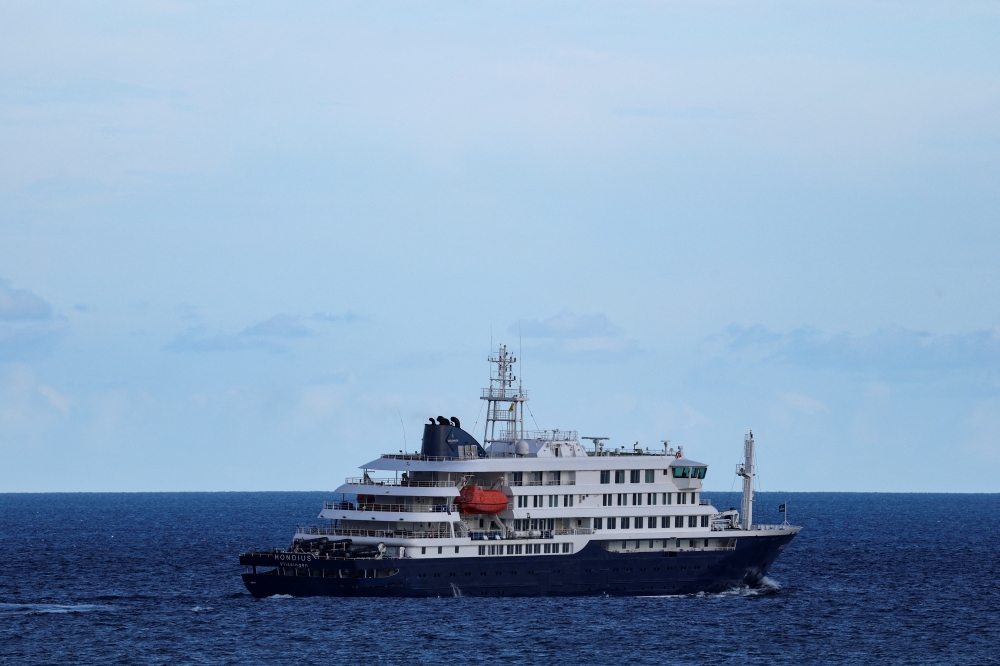
Scientifically, the Andes virus is unique: it is the only hantavirus confirmed to be capable of human-to-human transmission. This transmission, while rare, typically occurs through close and prolonged contact with an individual who is already showing severe symptoms. This was documented extensively during a 2018-2019 outbreak in Argentina, where a single introduction of the virus led to 34 human-to-human infections. Because the MV Hondius departed from Ushuaia, Argentina, the virus made its way into the confined quarters of the ship, allowing this rare form of human-to-human spread to occur.
Symptoms of the Andes hantavirus typically manifest one to eight weeks after exposure. The disease often begins with severe flu-like symptoms, including fever, chills, dizziness, and intense muscle aches, before progressing to a severe condition known as Hantavirus Pulmonary Syndrome (HPS), which involves shortness of breath and fluid in the lungs.
It is important to remind ourselves that Malaysia is not traversing unknown territory when it comes to managing infectious diseases. We are not strangers to dealing with complex, emerging pathogens.
Our public health infrastructure was forged through the fires of the 1999 Nipah virus outbreak, as well as our battles with SARS and the H1N1 influenza. Today, the Ministry of Health operates through the highly systematic Malaysia Strategic Workplan for Emerging Diseases (MySED) and the Crisis Preparedness and Response Centre (CPRC). These established protocols ensure that our borders, international points of entry, and healthcare facilities maintain strict surveillance and rapid response capabilities. We already possess the laboratory capacity to identify complex viruses, and the authorities are constantly monitoring global updates from the World Health Organization (WHO).
Because the Andes strain can transmit between people, and hantavirus is not an endemic threat driven by local sanitation issues in Malaysia, our focus must shift strictly to human-to-human prevention and travel awareness. Dr Gustavo Palacios, an infectious disease expert advising the WHO, noted that the 2018 Andes outbreak in Argentina was successfully snuffed out using simple, highly effective public health measures.
The Andes virus requires close, prolonged contact to jump from one human to another. If you are interacting with someone exhibiting severe flu-like symptoms, especially if they have recently travelled internationally, maintain a safe physical distance. As Dr Palacios emphasises, the most fundamental way to break a chain of transmission is to simply stay home when you are unwell. Isolating yourself at the first sign of fever or chills prevents the pathogen from circulating in workplaces, schools, and public transport. Airborne droplets and close physical contact are the enemies here. Limit close contact and frequently use hand sanitizer or wash your hands with soap. Wearing face masks in crowded areas or when caring for a sick individual adds a crucial layer of defence against respiratory transmission.
If you are travelling to regions where the Andes virus is present (such as South America) or boarding international cruise ships, remain highly aware of your health. If you develop symptoms within one to eight weeks of returning, seek immediate medical care and proactively declare your travel history to your doctor.
The MV Hondius outbreak is a tragedy, but it is a contained one. By prioritizing basic human-to-human infection control, staying home when sick, maintaining hygiene, and staying informed, we can easily protect our community from international viral threats without succumbing to panic.
* Dr Rafidah Lani is a Senior Lecturer at the Department of Medical Microbiology, Faculty of Medicine, and an Associate Researcher at the Ungku Aziz Centre for Development Studies, Universiti Malaya, and can be reached at [email protected]
** This is the personal opinion of the writer or publication and does not necessarily represent the views of Malay Mail.


