


MAY 12 — Small Modular Reactors (SMRs) are generating tremendous buzz in the both the power and non-power sectors as governments and industries seek alternative clean energy, heating as well as hydrogen sources.
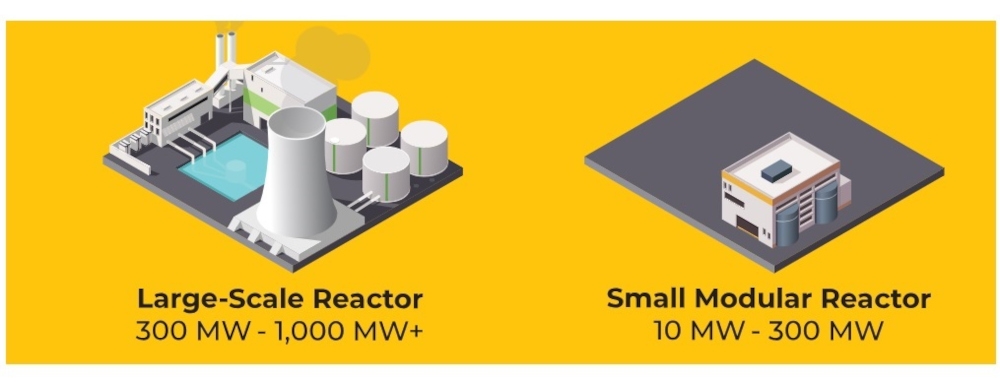
SMRs represent another category of nuclear reactors defined by their power range; producing 300 MW or less capacity, a third of traditional large nuclear reactors of 1000 MW (Fig 1)
Fig 1: SMRs vis-avis Conventional Large Nuclear Reactors
SMRs progressing towards demonstration and commercialisation
The OECD Nuclear Energy Agency has outlined via the Agency’s 3rd Edition NEA Small Modular Reactor Dashboard that presently there are 74 SMR technologies under development, with assessments included in the NEA SMR Dashboard.
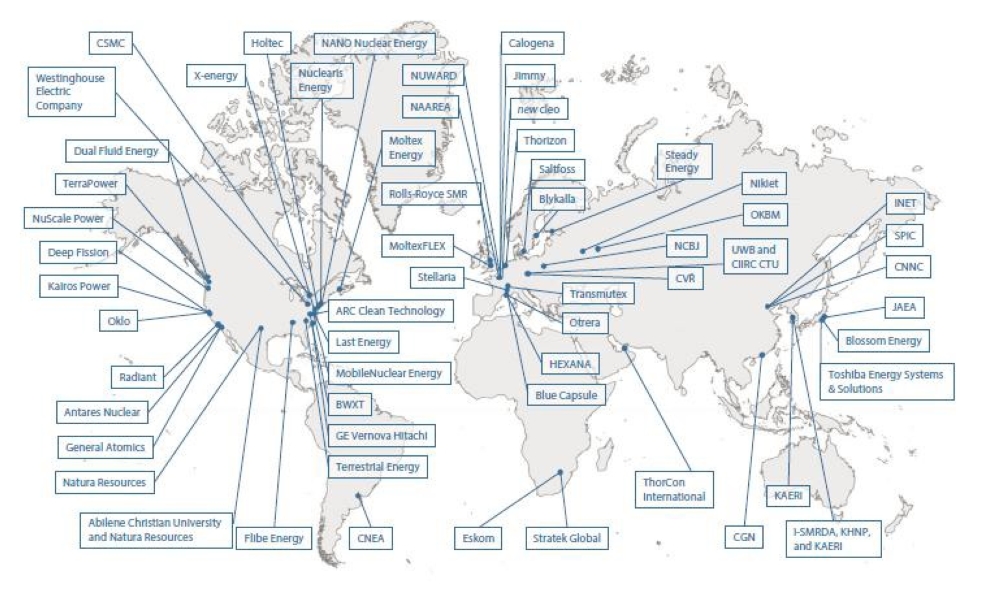
In terms of geographic location, 30 of the designs covered in this edition are being pursued by 25 design organisations headquartered in North America, 20 designs by 19 organisations in Europe, 10 designs by 5 organisations in OECD countries in Asia, 5 designs by 4 organisations in China, 5 designs by 2 organisations in Russia, 2 designs by 2 organisations in Africa, 1 design by a single organisation in South America, and 1 design by an organisation in the Middle East (Fig 2 and Fig 3). The NEA has highlighted that seven designs are either operating or under construction, and there is a strong pipeline of projects progressing toward first-of-a-kind deployment. While some SMR designs are at the conceptual stage, several may make progress in development in coming years. Of the SMR designs assessed in this publication, 51 are involved in pre-licensing or licensing processes across 15 countries, and there are approximately 85 active discussions between SMR developers and site-owners worldwide.
Fig 2: Locations of SMR designer headquarters by region
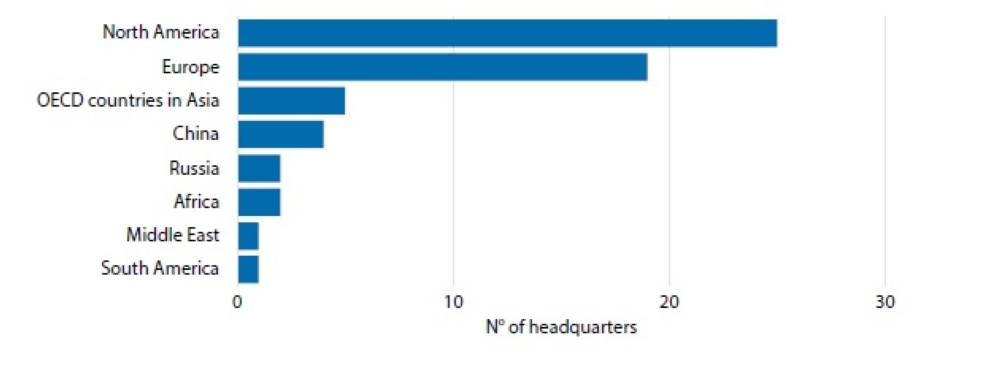
Fig 3: Locations of the HQ of SMR developers
Diverse application of SMRs -Overview
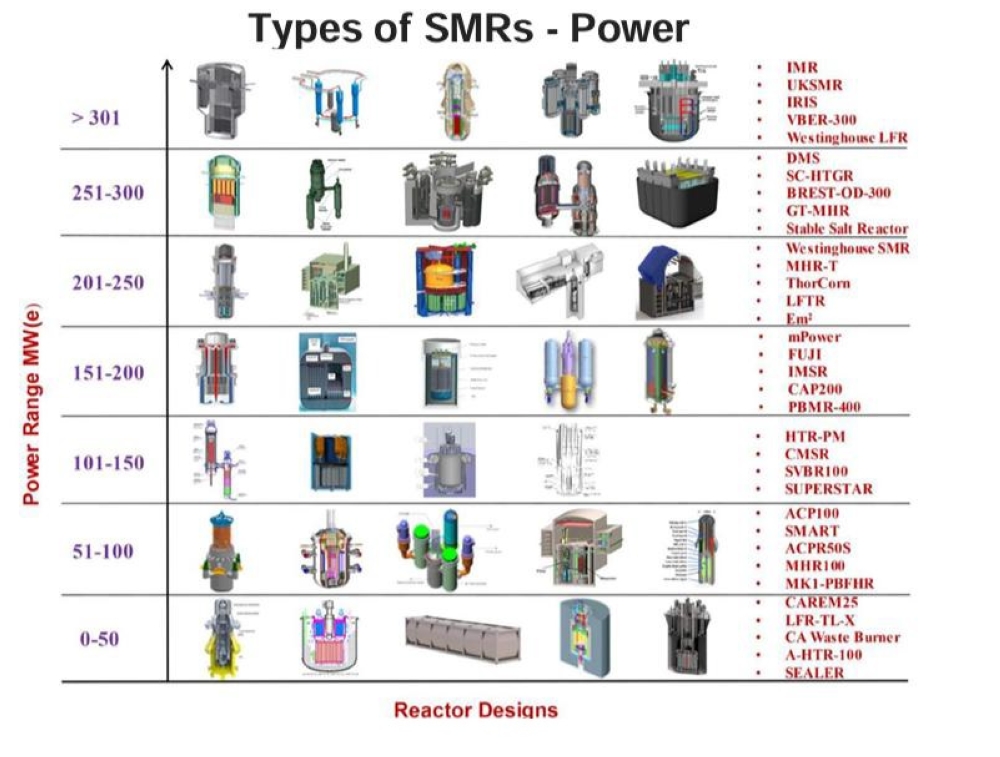
SMRs developers are offering a range of reactor designs with nuclear capacities of 300 MW or less (Fig 4), generating a broad range of temperatures with potential applications for both power and non power sectors (Fig 5).
The NEA dovetailed that as a class of reactors, SMRs are defined by their smaller size, but there is considerable variety within this class of reactors; they vary by power output, temperature output, technology and fuel cycle. A number of SMRs are based on existing commercially deployed light water technologies, while others are based on advanced design concepts, offering a range of sizes – from 10 MWe to over 300 MWe – and a range of temperatures – from 285°C to more than 850°C to meet the specific energy needs of hard-to-abate industrial sectors. (Fig 5 and Fig 6)
Fig 4: Types of Reactors and their nuclear power capacities
SMRs based on Generation III+ and Generation IV technology generates different temperature ranges and has diverse potential applications (Fig 5 and Fig 6)
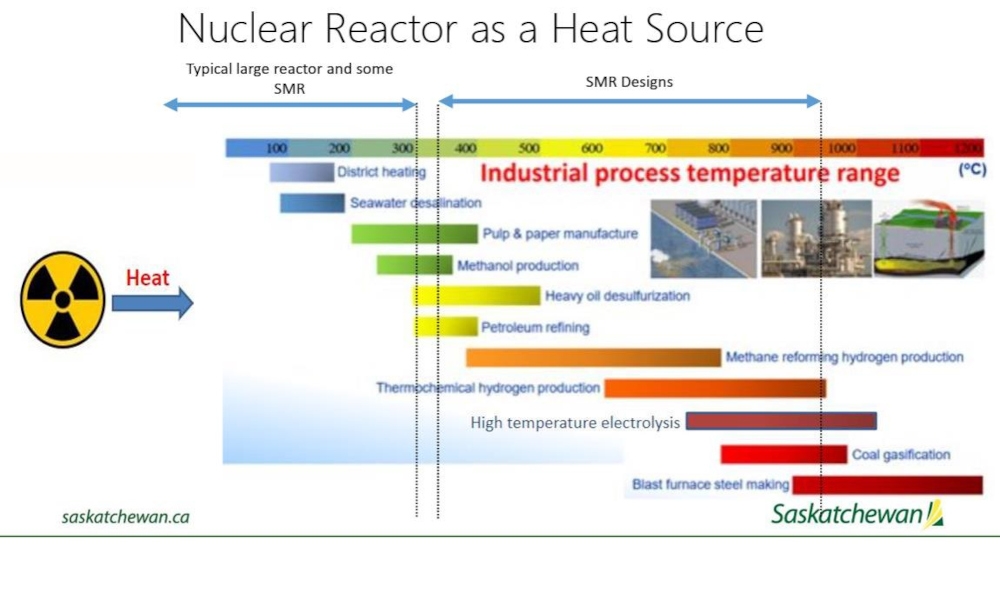
Australian Nuclear Science and Technology Organisation (ANSTO) had highlighted that the SMRs based on Generation III+ technology (Fig 5) can typically provide process heat at temperatures of about 320°C, while various Generation IV designs aim to provide industrial heat of up to 950°C.(Fig 6)
The production of high-temperature process heat allows Generation IV reactors (Fig 5) to be used more effectively beyond typical low-emission electricity production, such as chemical manufacturing, cement/lime production, and primary metals manufacturing.(Fig 6) Additionally, they are also designed to produce green hydrogen through high-temperature electrolysis, which then can then be used directly in the transportation industry, or for the production of synthetic fuels, and ammonia.
Fig 5: Types of Reactor Types for SMRs by Generation
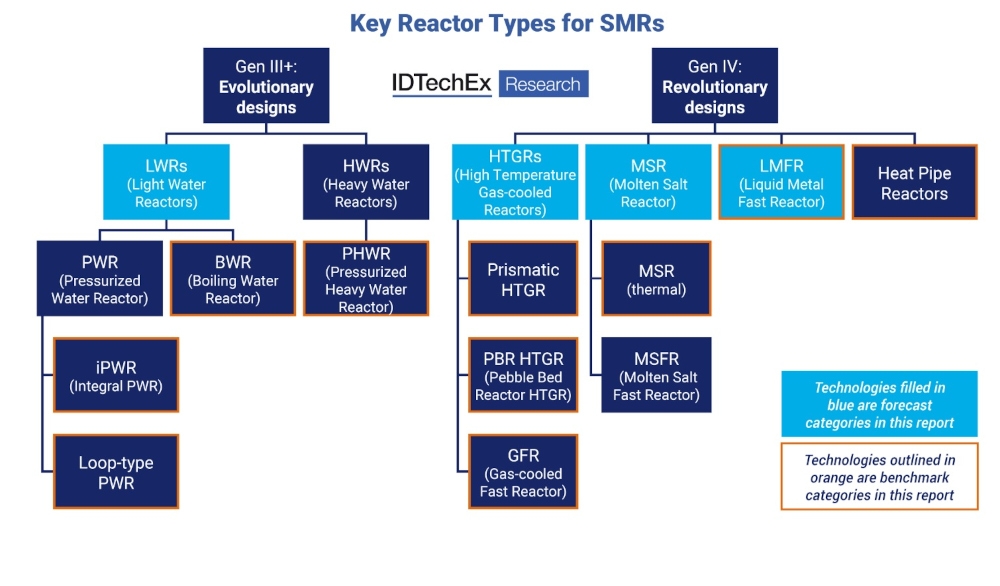
Fig 6: Nuclear Reactor as a heat source: Large Nuclear Reactors and SMRS
Different SMR Technologies cater to various industrial needs
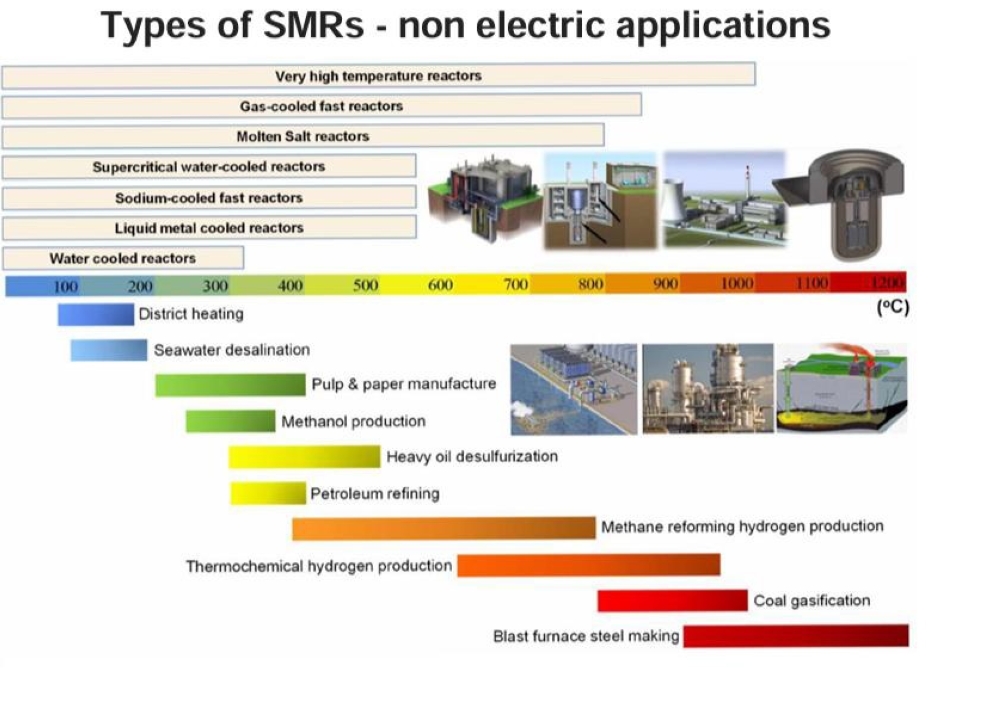
NEA outlined that Different SMR technologies cater to various industrial needs, (Fig 7) with Light water reactors (LWR), operating at lower temperatures, are ideal for district heating and desalination; while higher temperature reactors, such as liquid metal, molten salt, and gas cooled reactors, are better suited for industries requiring intense heat, such as petroleum refining, steelmaking, synthetic fuel production and some hydrogen high-temperature production processes.
Fig 7: Diverse Potential Applications of SMRs
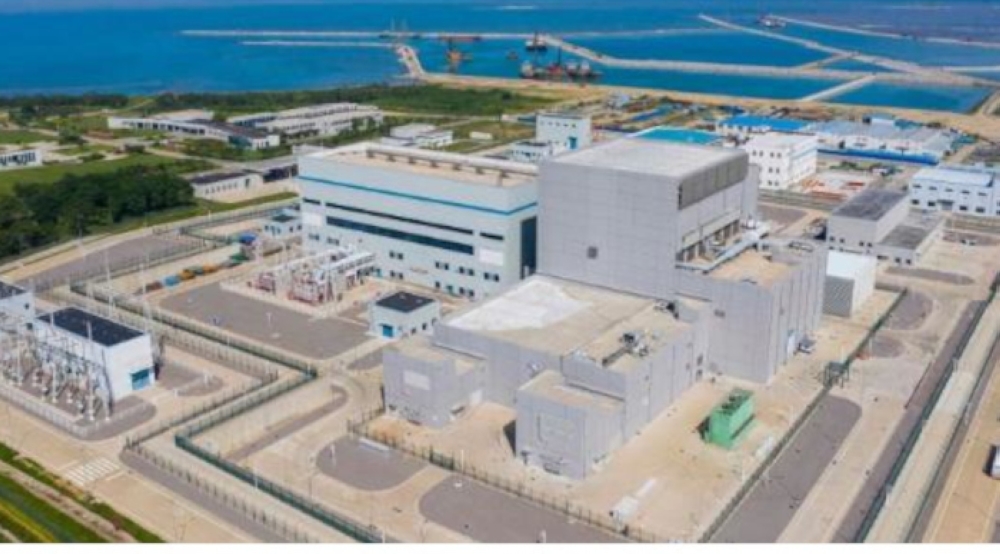
The present two SMRs in operations as of May 2026 are Russia's first floating nuclear power plant (FNPP), the Akademik Lomonosov which has a total electrical power capacity of 70 MW comprising 2 units of KLT-40S reactor units that generate 35 MWe each began operating since 2020 supplying heat and power to the town of Pevek in the Chukotka region (Fig 8 and Fig 9) and China’s High-Temperature Gas-Cooled Reactor - Pebble-bed Module (HTR-PM) at the Shidaowan site (Fig 10) with nuclear power capacity of generates 200 MW has been operating since 2023.
Fig 8: Russia’s Russia's first floating nuclear power plant (FNPP), the Akademik Lomonosov which has a total electrical power capacity of 70 MW
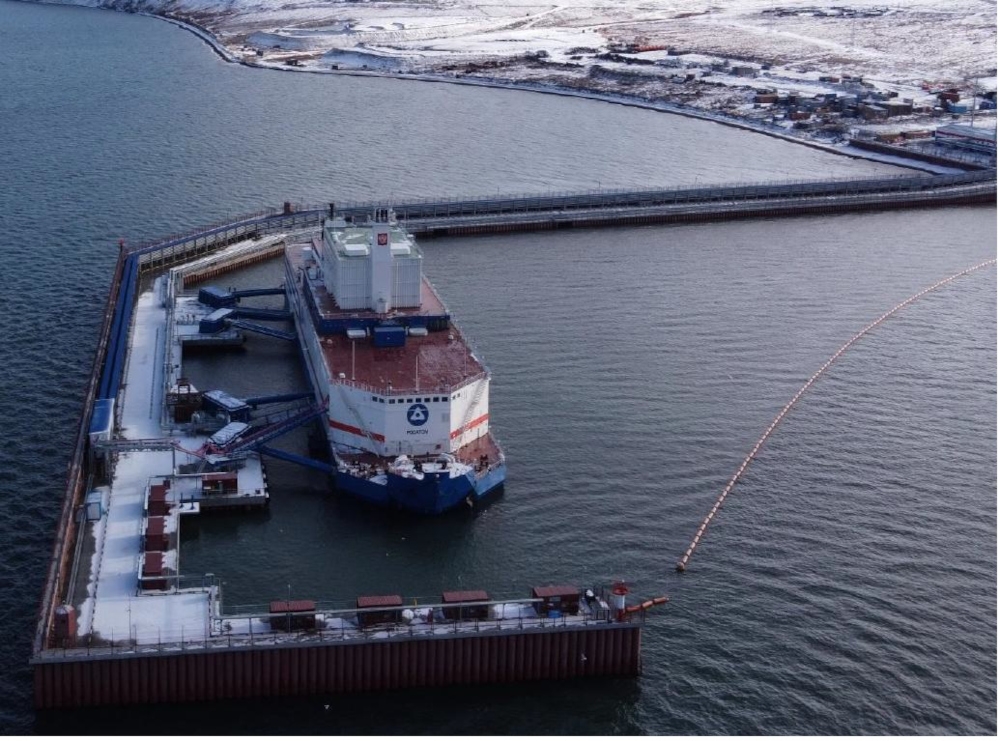
Fig 9 Cutaway drawing showing the general arrangement of the Akademik Lomonosov.
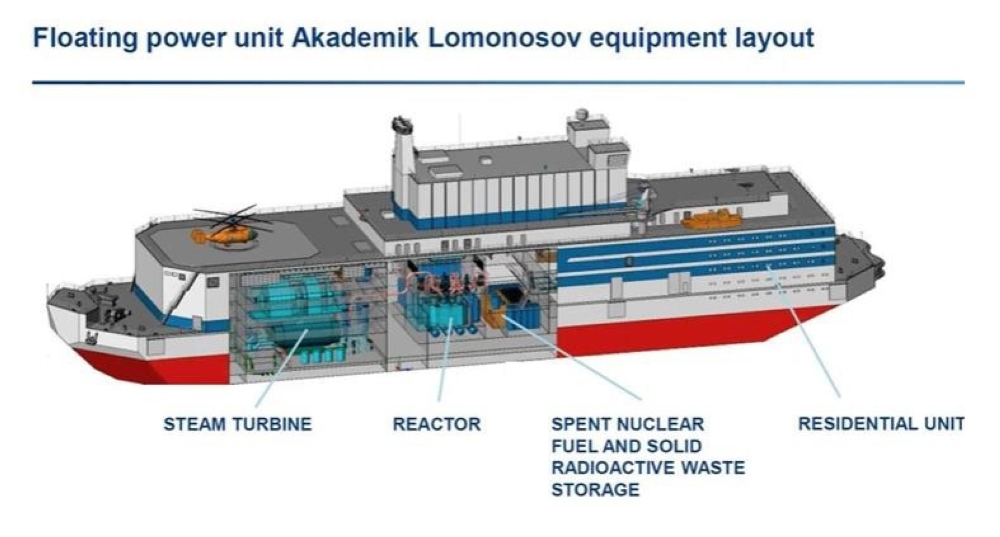
Fig 10 China’s HTR-PM demonstration project at Shidaowan
Findings from the 2023 IPCC Report on Climate Change- Spotlighting on the urgent need for a systemwide transformations to secure a net-zero, climate-resilient future.
World Resources Institute (WRI) on 20 March 2023 reported that March 20 marked the release of the final installment of the Intergovernmental Panel on Climate Change’s (IPCC) Sixth Assessment Report (AR6), an eight-year long undertaking from the world’s most authoritative scientific body on climate change. Drawing on the findings of 234 scientists on the physical science of climate change, 270 scientists on impacts, adaptation and vulnerability to climate change, and 278 scientists on climate change mitigation, this IPCC synthesis report provides the most comprehensive, best available scientific assessment of climate change and drew attention that it also makes for grim reading.
WRI shared that across nearly 8,000 pages, the AR6 details the devastating consequences of rising greenhouse gas (GHG) emissions around the world — the destruction of homes, the loss of livelihoods and the fragmentation of communities, for example — as well as the increasingly dangerous and irreversible risks should we fail to change course.
But the IPCC also offers hope, highlighting pathways to avoid these intensifying risks and identifies readily available, and in some cases, highly cost-effective actions that can be undertaken now to reduce GHG emissions, scale up carbon removal and build resilience.. It pointed while the window to address the climate crisis is rapidly closing, the IPCC affirms that the world can still secure a safe, livable future and had offered 10 key findings.
This article will spotlight on the urgent need for a systemwide transformations to secure a net-zero, climate-resilient future.
The IPPCC reports that while fossil fuels are the number one source of GHG emissions, deep emission cuts are necessary across all of society to combat the climate crisis. Power generation, buildings, industry, and transport are responsible for close to 80% of global emissions while agriculture, forestry and other land uses account for the remainder.
Hence in addition to the energy sector, it is vital to decarbonize all other sectors of the economy, including the hard to abate sectors such as heavy industry (steel, cement, chemicals, aluminum) and transportation (shipping, aviation, heavy-duty trucking).
Malaysia’s perspective on emissions
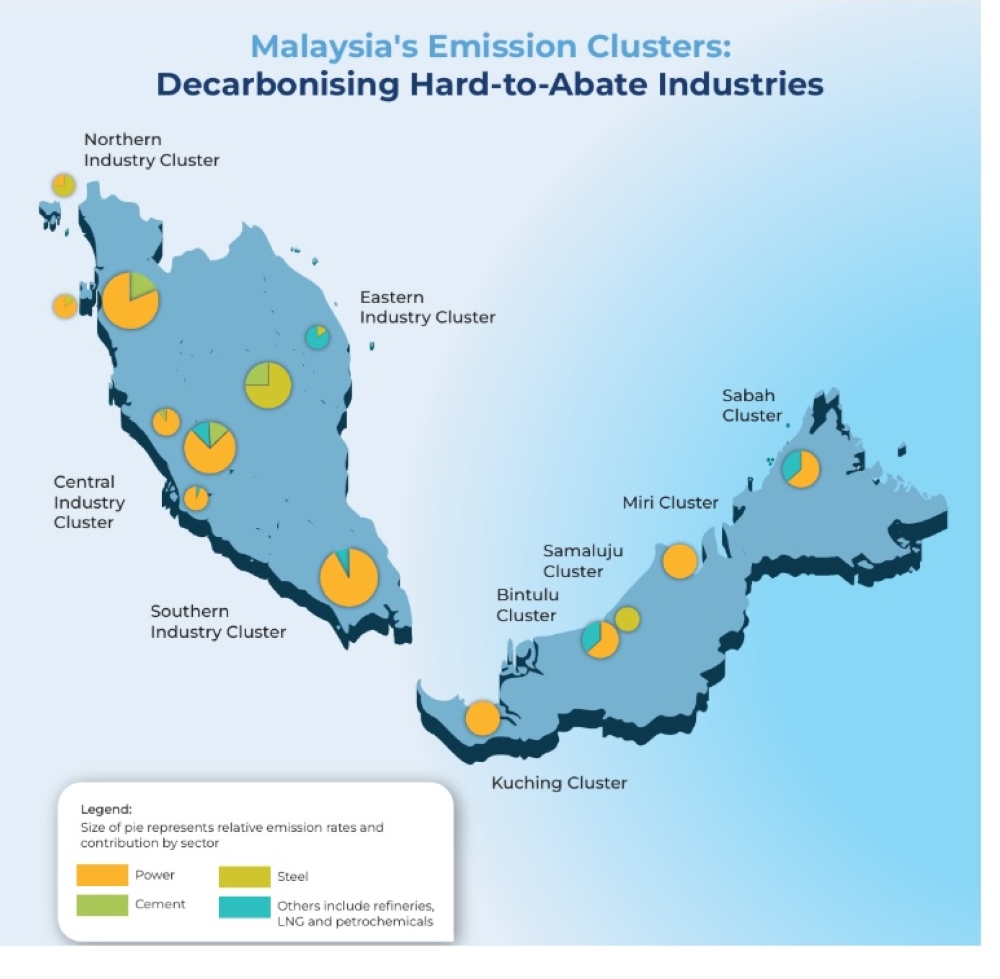
Malaysia’s Ministry of Economy had outlined that the biggest emitters are from the power generation sector with Power generation, hard-to-abate industries and transportation sector accounts for 70% of the total emissions in Malaysia and that Most emissions are concentrated in the West Coast of Peninsular (Fig 11)
Fig 11: Malaysia’s emission clusters
Recommendations for the government of Malaysia
Although I had previously contributed articles on both The Promise of Small Modular Reactors (SMRs) as well as Perils of SMRs which was aimed to offer a balanced view of the current trend and experiences of SMRS, this article is spotlighting on the possible potentials and diverse applications of new SMRs under construction and under development.
It is hoped that with experiences gained from the past challenges of SMRS, the new designs will succeed in delivering the promises articulated regarding SMRs envisaged to be less expensive, can be constructed in much shorter time and safer than conventional reactors. This is a hope many carry with us as a crucial pathway for the world to be able to reach and not miss the net zero target with reference to the remark made by the Executive Director of the International Energy Agency (IEA) that the World will not be able to reach net zero in time without nuclear power
Thus on this premise and hope, I would like to recommend the following to the Government of Malaysia.
1. Malaysia must further enhance its efforts and increase investments to decarbonise, in addition to the power sector, also the non-power sectors including the hard to abate sectors such as heavy industry (steel, cement, chemicals, aluminium) and transportation (shipping, aviation, heavy-duty trucking) using current, emerging and advanced technologies including and conventional large reactors as well as Small Modular Reactors (SMRs)
2 With the hope that Small Modular reactors can be successfully built in time and within budget, the Government could identify the relevant SMR as well as large reactor design, nuclear power capacity and temperatures produced to support the decarbonization of all sectors of the economy, both power and non-power sectors(reference Fig 6)
* This is the personal opinion of the writer or publication and does not necessarily represent the views of Malay Mail.


