

ISTANBUL, May 17 — Ten years ago, Cukurcuma was a lively neighbourhood of Turkish women hanging their laundry to dry outside their windows, and pushcart street vendors calling out their still-warm baked goods. But local families have largely sold out to the builders of boutique hotels, and the bakkal, a corner store that would deliver newspapers and fresh bread to the basket I lowered on a rope from my third-floor window, has given way to the shiny office of yet another real estate agent.
Cukurcuma is in the valley between the pricier, trendier Cihangir area and the retail-heavy Istiklal Caddesi that was shaken by a suicide bombing in March. The apartment I moved into in 2006 was recently sold, but I am still drawn to the neighbourhood’s old-time atmosphere and dusty antiques shops that have endured even as younger entrepreneurs added value to the area.
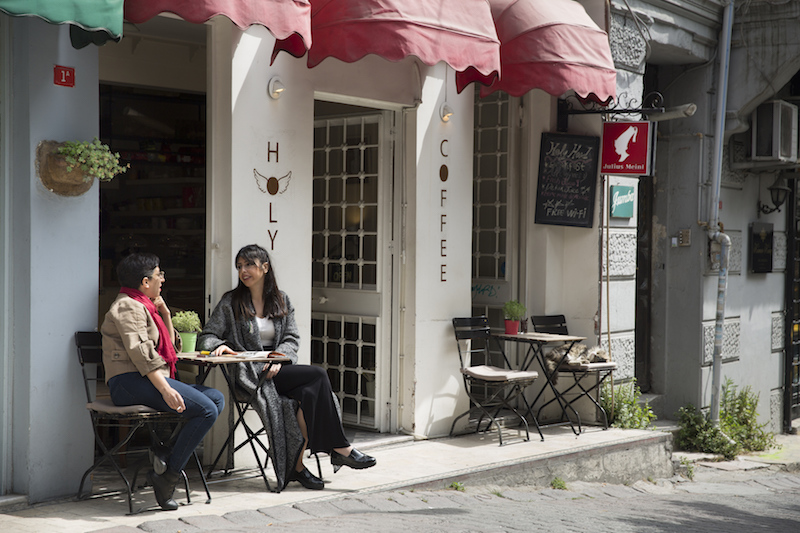
When I visit Cukurcuma, I start with a latte and a Wi-Fi session at the welcoming Holy Coffee. Then I head across the street to poke around at Yasam Antik, where I wish I had enough space for those life-size marble lions on display in its courtyard, or the carved wooden doorways that look as if they came from a palace on the Bosporus.
Then I like to meet friends to swap updates under a shady umbrella at Cuma cafe for a brunch of seasonal dishes like a nettle and pumpkin quiche, or a bowl of cooked spinach, poached eggs and yogurt with a drizzle of chilli oil.
Continuing down Cukurcuma Caddesi, it’s fun to admire the view of the distant Galata Tower while checking out the potential treasures displayed on either side of the road, and to nose around shops like Cihan Antiques to weigh the need for a rosewood Art Deco tray.
But shopping here is not just about old stuff. Kare, or “Square,” offers unique handmade leather bags, goatskin parchment necklaces and lovely little notebooks, while 3rd Culture, a home-furnishings gallery established by the sister-brother team of Zeynep Lale Rende, a designer, and Emre Rende, a photographer, features pillow covers, lampshades, reupholstered chairs and framed images inspired by the people and textiles they encountered in their travels in South-east Asia, Africa and the Americas.
Finally, one of the quirky places I often revisit is the Museum of Innocence, created by the writer Orhan Pamuk in conjunction with his novel of the same name. The Nobel Prize winner turned a narrow, multi-storey Ottoman-era house into a home for all the objects his lead character collected over the course of the book. Even if you haven’t read it, this homage to obsessive love is a delight, its cabinets of curiosities fitting neatly into the street’s own embrace of bric-a-brac. — The New York Times