

MOSCOW, Dec 10 — Moscow isn’t a city that often turns up on “must visit” lists when planning a year-end holiday. It’s too far, too cold and too tricky to navigate.
You’re greeted by surly ticket-vendors, pushed around by fast-walking crowds and confused by signs you can’t read, whether it’s directional signs or the menu at McDonald’s (where the only thing I knew to order was a Big Mac). Tack on sub-zero temperatures and it’s basically a travel disaster waiting to happen for those more attuned to life in Singapore. Winter of discontent? You bet.
But if you forget about taking long walks, you’ll be surprised by how pleasurable a winter holiday in Moscow can be.
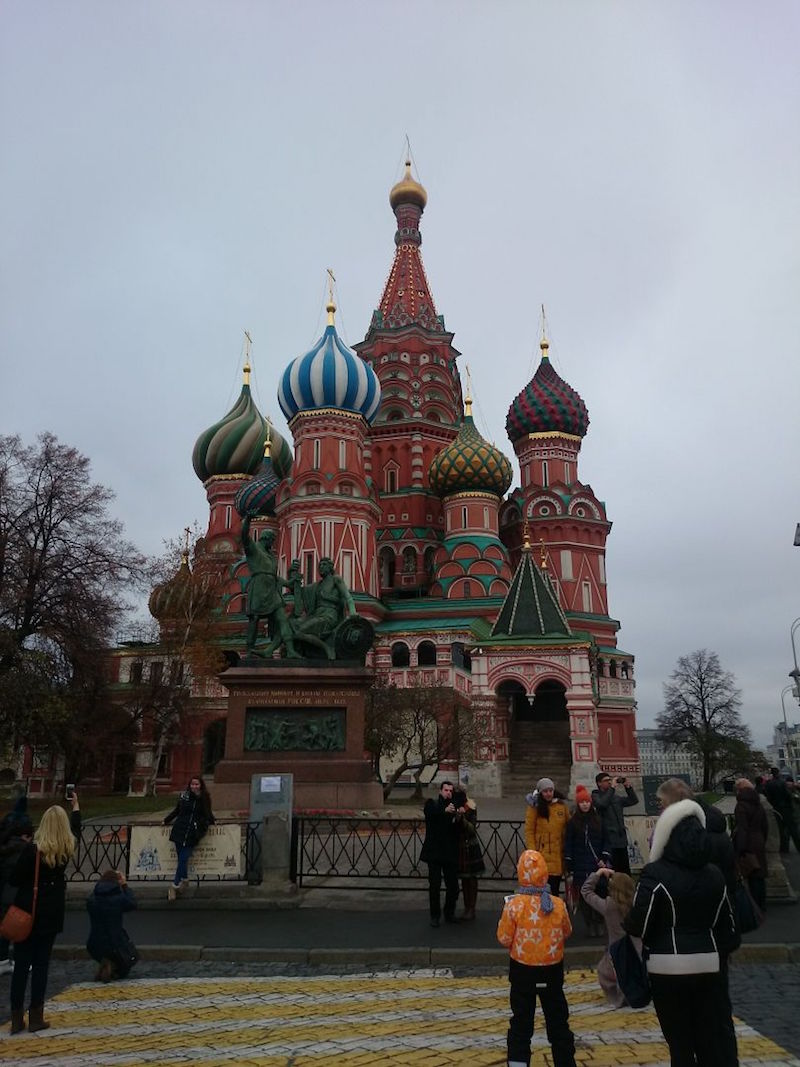
Yes, the Kremlin is a must-see and you’d be a fool to leave the city without pictures of the Red Square and St Basil’s Cathedral — but Moscow is much more than these.
Off the rails
One of the best ways to beat the cold is to burrow deep into the earth, and the Russians knew exactly what they were doing when they designed the city’s metro system. The Moscow metro has some of the deepest underground stations — Park Pobedy station, for instance, goes down to nearly 73m below the surface. It’s a very warm alternative from the sleet and snow outside.
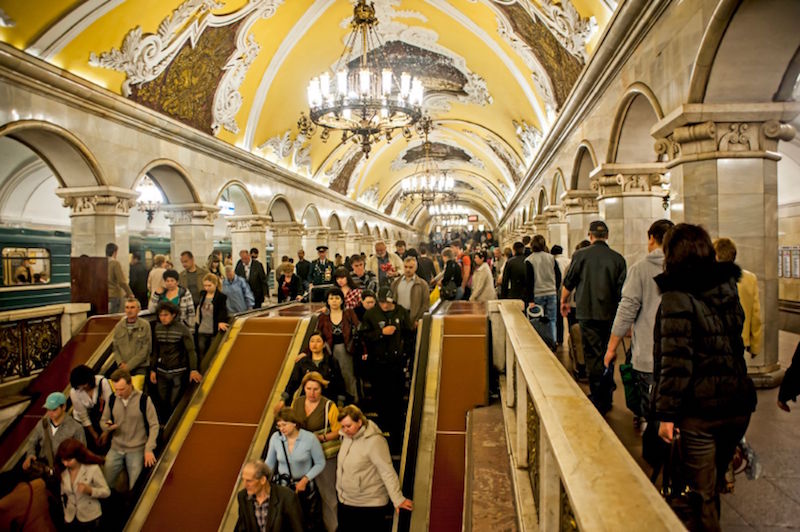
But the subway is more than just an escape from the cold. The Moscow metro is a veritable museum of Soviet-era art and architecture. You could very easily spend an entire snowy day underground, taking in the art at each station — all for 50 rubles (RM3).
First constructed in 1935, the train stations serve as time capsules. Joseph Stalin, then-leader of the Soviet Union, was a man of extravagance and excess, and he sure wasn’t shy about displaying that side of him: Large bronze busts of famous poets and politicians, stained glass, wonderfully detailed mosaic flooring, marbled pillars and grand chandeliers from high ceilings adorn the platforms and walkways of each station. (Yes, all 197 stations are underground grand palaces for the proletariats.)
Each station has its own characteristics and architecture, and trivia buffs would be delighted at the history behind each one. Mayakovskaya station on the green line, for example, is named after Russian poet, playwright and actor Vladimir Mayakovsky, and the architecture is based on the poet’s envisioned future of the Soviet system.
Look up and the mosaic paintings on the ceiling depict top sportsmen and women such as skiers, sailors and gymnasts, as well as military planes alongside peaceful scenery. The station also features classic Stalinist architecture, with sleek marble floors, stainless-steel arches and opulent chandeliers.
Belorusskaya station, just one stop after Mayakovskaya, doesn’t forget the heritage and history that Russia once shared with Belarus. The station is named after the old Belorusskaya Rail Terminal, where trains head up to Belarus, and features plenty of Belarusian architectural features and national motifs. You have standing brass lamps; clean, white marble walls with onyx niches and mosaics depicting the everyday lives of the Belarusians — all done Stalinist-style, of course.
The Russian metro is an extensive subway system and transports an estimated seven million people daily, so every hour is rush hour as you’re met with a continuous flow of bodies. Don’t be surprised if you see, among the young professionals and giggling students, some grumpy babushkas (grandmothers) with their wares — and a live chicken or two. It’s a sensory overload, for sure, but just take it all in.
Trains come every 90 seconds during peak hour, and if you’re too slow to get on the train, you’ll get a death stare from an impatient Muscovite — one that probably feels colder than winter itself. But despite the high traffic, there is virtually no vandalism or advertisements plastered on the walls of the metro, unlike those in New York or London.
Of course, asking for directions in English is a Herculean task — most Russians don’t speak English and your pronunciation of the station names will be so butchered that no Russian will understand you anyway.
So plan out your routes, and arm yourselves with apps that show maps in both English and Russian for easy navigation.
Comfort food
Russian winters, however harsh they might be, don’t deter people from getting on with life. While Muscovites far from embrace winter with open arms, you’ll still see young women tottering in their high heels on their way to clubs, or children bundled thick in coats at the playgrounds.
Most restaurants, cafes and bars are filled with people, either trying to get a little respite from the cold, or perhaps needing a little personal interaction.
Many say Russian food is bland and simply not to the taste of the Singaporean palate, but honestly, you’ll be hard-pressed to find 100 per cent Russian food in the main city. The food scene in Moscow is by no means innovative, but it’s all about learning to embrace different cuisines, though awkwardly at times.
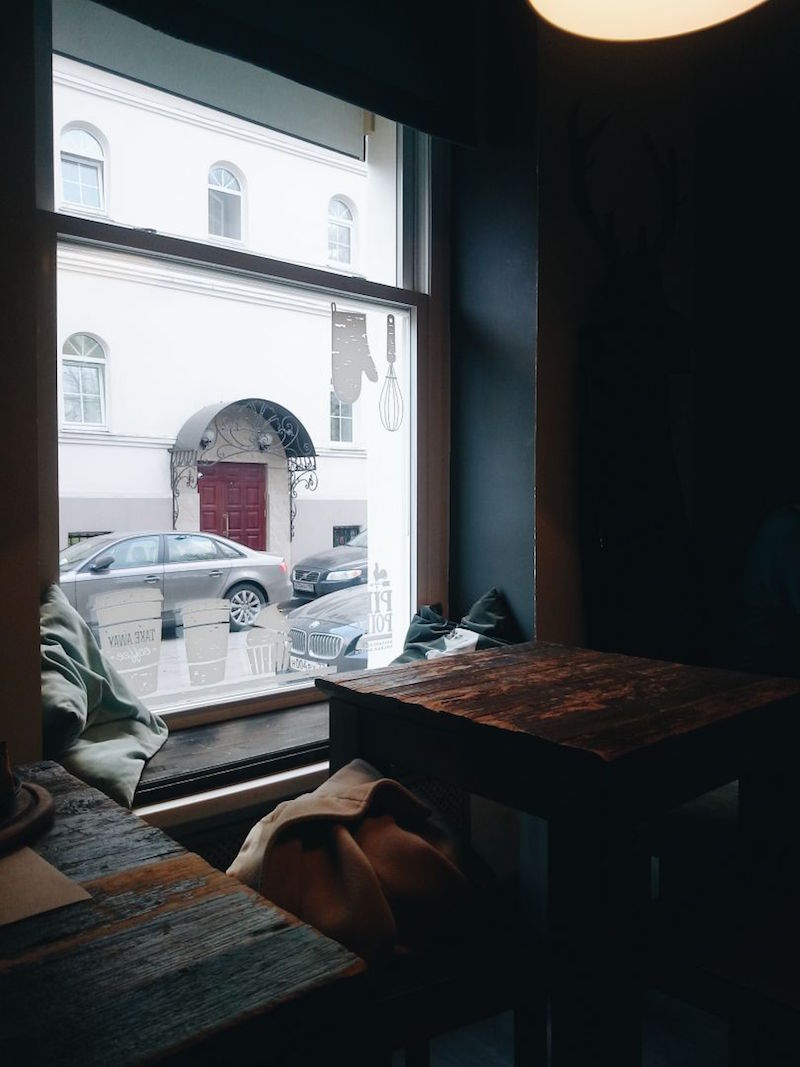
You can stumble across a Japanese sushi place that also sells American beef burgers, but there are also quaint places such as Pie Point, featuring British-inspired mince meat pies and fish and chips, or cake cafes such as Upside Down Cake & Co, which is fashioned like a hipster cupcake shop from Brooklyn.
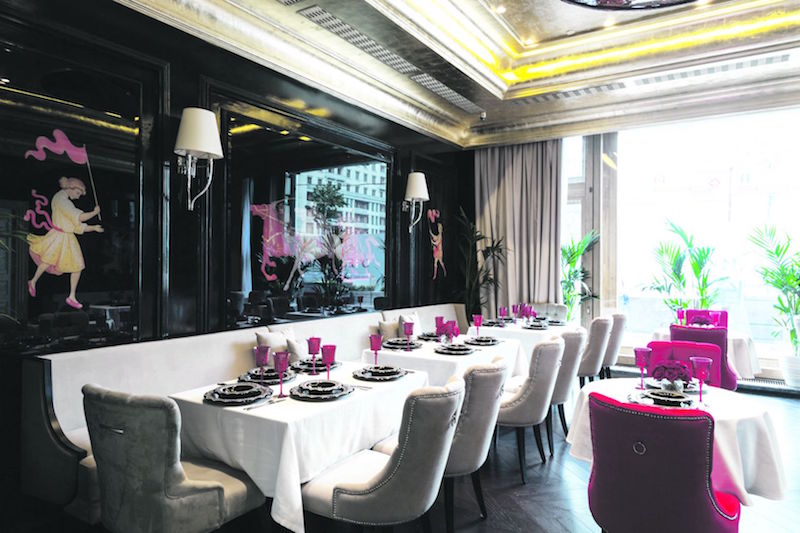
But for those who still insist on looking for the real deal, the food of Dostoevsky and Tolstoy, head over to Mari Vanna. The small restaurant prides itself on its homely, Russian fare and warm hospitality — just like how grandma would welcome you.
Traditional Russian dishes such as beet soup and stroganoff are served on the finest china and linen, complemented by impeccable service. Despite the servers’ broken English, you’ll feel right at home because they take time and effort to explain their best dishes. Don’t leave without trying the homemade flavoured vodkas — you’ll be banging tables asking for more. Those drinks really warm you up like no other.
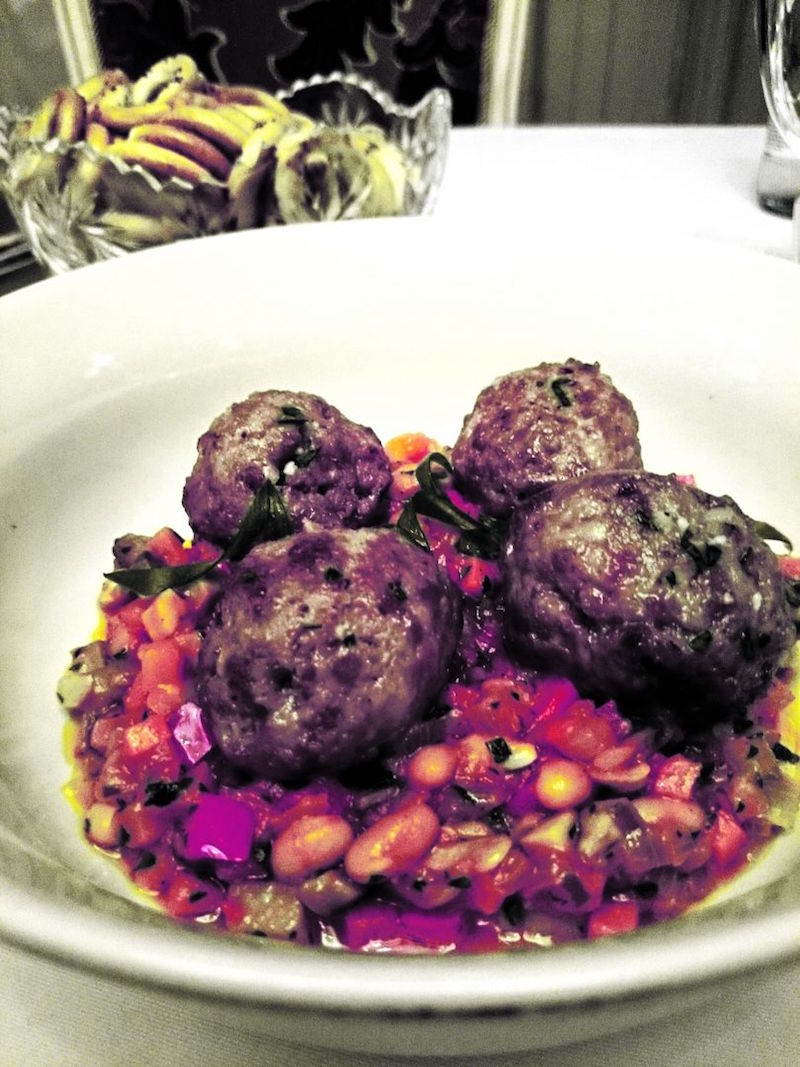
However, the hunt for food in Moscow remains difficult, mostly because English is still rarely spoken by the wait staff. Even at a restaurant such as Grand Cafe Dr Zhivago, which is located in a hotel along a large tourist spot, I had to wait for 15 minutes before getting a hapless staff member who could converse in very broken English.
Even though the menu is very extensive, it was entirely in Russian. In the end, all I could order was a falafel burger because that was the universal word we all understood.
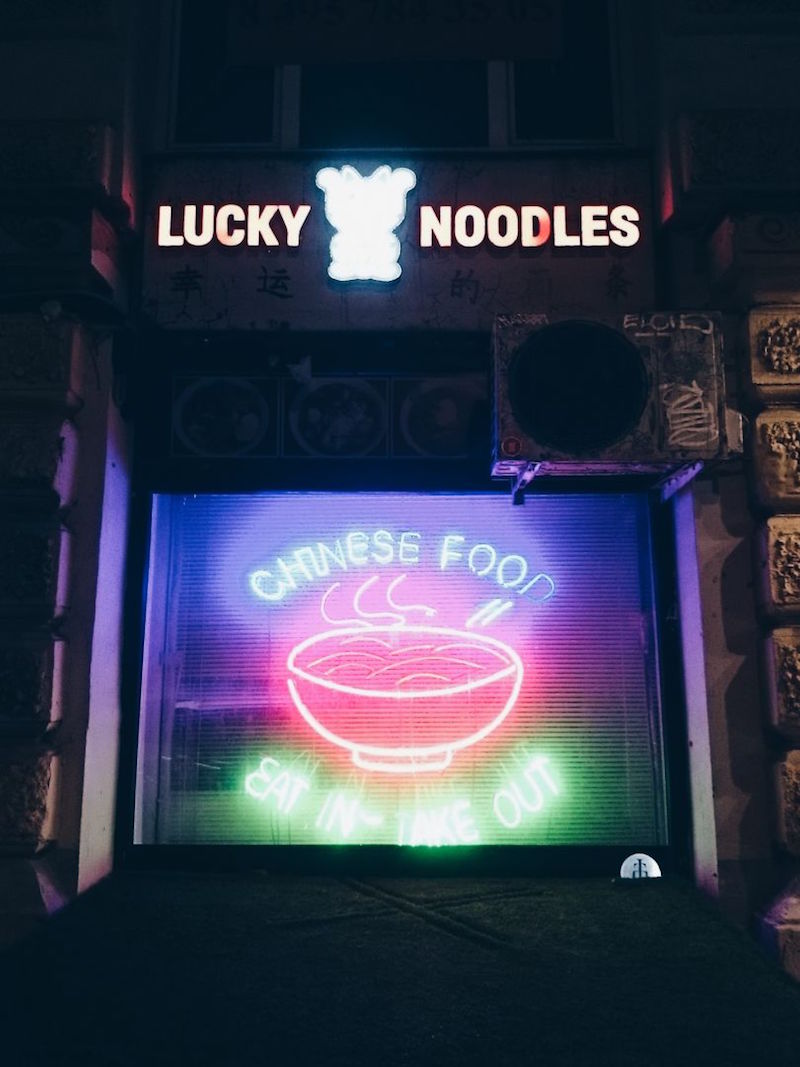
One must also get over the embarrassment of holding up the queue and the fear of being misunderstood. With few pictures and no English menus, I ended up doing just that in Lucky Noodles, a small Chinese place (fully run by Russians), by asking the surly cashier what each picture depicted on the wall was. His reply: “Beef. Spicy. Chicken.”
Even though I desperately wanted to find out what meats were in the “spicy” option were, I decided to settle for beef soup noodles. It’s great comfort food during the cold weather, although my embarrassment had already done a good job of warming me up.
Fur-get about the cold
But how can you say you’ve survived a Russian winter if you spend it all indoors? The brave will want to walk the talk, by going from Tverskaya station, down Tverskaya Street to the Red Square (before dashing into Ploshchad Revolyutsii station).
The walk takes about 20 minutes so shopping breaks in-between help you fight the cold. The street is the third-most expensive shopping street in the world, with banks, hotels, restaurants, and both local and international standalone brand stores where you can try the latest winter fashion.
As I found out when I ducked into store after store to beat the cold, fur still remains very popular among Russians and they just are on nearly every accessory — hats, boots, collars and coats. Rabbit-fur ushankas (hats with ear flaps) cost at least USD$60, while mink fur ushankas can go up to USD$500.
I asked a Russian friend if animal activists get mad about the fur usage, but she simply laughed and said only good fur can keep out the wind and cold. For a city whose record low is at -44°C, it’s human survival over anything else.
Wise babushkas who’ve lived through many winters also know that the key to staying warm and presentable at the same time is to tie a headscarf under the chin, protecting the ears and that hairdo. Tiny shops along the underpasses sell them for as cheap as 800 rubles. But my Russian friend says it’s cashmere or nothing. (While fur and cashmere feel so soft and comfortable, I was thinking of the warm tropics that I’d be heading back to and I was starting to perspire under all that fur while indoors.)
However, the best part about finally making it to the outdoor tourist attractions and markets in the deathly cold winter is that they’re all not crowded. No one is shouting for you to buy stuff, there are no long queues for tickets and no one blithely standing in front of you as you get your shot of St Basil’s Cathedral.
And even if my toes were freezing as I gazed at the cathedral’s splendour, it was all worth it. — TODAY