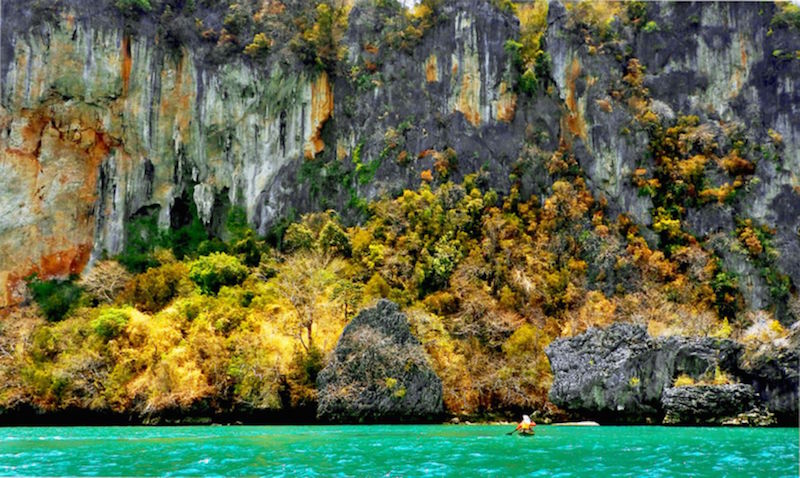


KRABI, July 31 — The next time you hear the call of the sea, paddle out to it at Krabi. Nestled by the Andaman Sea, Krabi is all about its waters — its brown rivers coursing through canyons and mangroves, meeting the clear blues of its bays and onwards to limestone karst seascapes.
If that sounds like your fix, pull out a kayak and row forth. Here are five reasons why kayaking in Krabi is the perfect way to hearken to the call of the sea.
Paddle through pristine mangroves and canyons
The beauty of Krabi’s mangrove forests and river canyons is best experienced on a kayak. Most trips start at the mouth of the river, and move upstream along the meandering courses of tributaries.
A lovely kayak expedition is to Ao Thalane, some 40 minutes away from Krabi Town. Here, kayakers begin their journey in the blue bay and paddle through narrow gorges, past towering cliffs and mangrove forests in placid waters.
Get up close with ancient petrographs
Often overlooked in Krabi are some of the oldest traces of human occupation in South East Asia. Limestone cliffs and caves with prehistoric paintings or petrographs are scattered around the province, and easily explored by kayak.
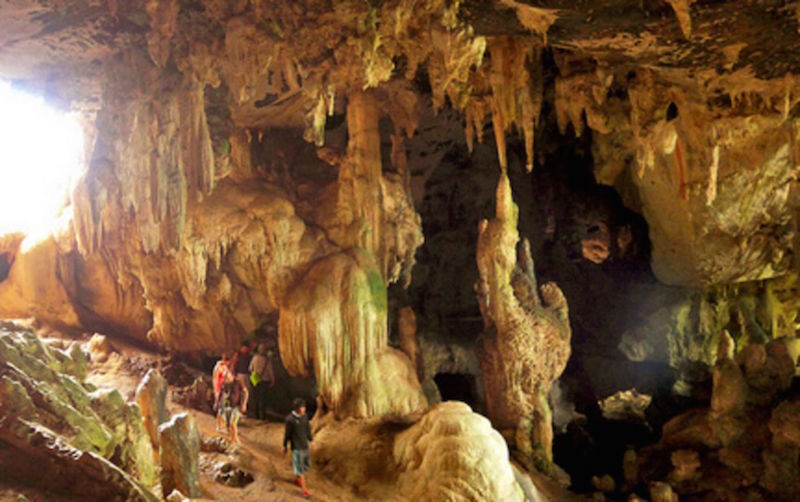
The most popular kayak trip is to the village of Ban Bor Thor, where Tham Pee Hua Toh or Cave of the Big-Headed Ghost is located. It was named as such after archaeologists dug up a human skull much bigger than the average homo sapien’s. The site has more than 160 well-preserved petrographs, as well as impressive stalactites and stalagmites.
Discover hidden sinkholes and beaches
If hugging the coast is not the adventure for you, head out to the archipelagos off Krabi and take in the limestone karst seascape. The numerous islands in the Andaman Sea provide ample opportunities for exploration.
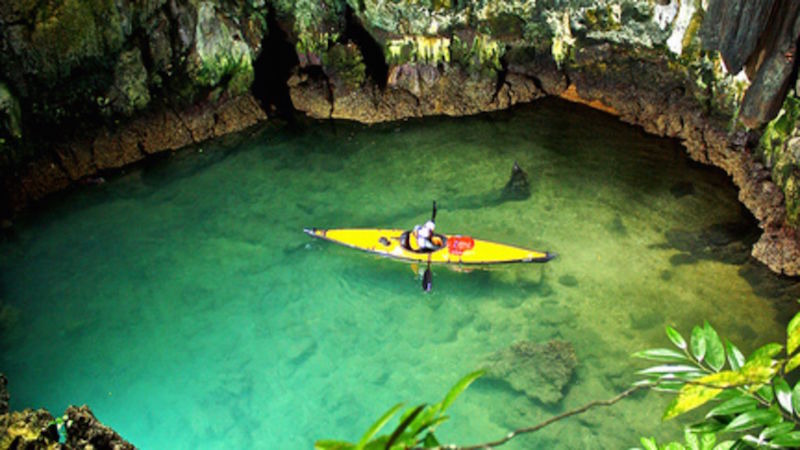
One popular destination for kayakers is the Koh Hong group of islands. The word hong means room in Thai, and in this case, refers to caverns created by sinkholes inside limestone formations and islands. Turquoise lagoons are usually found inside a hong, the entrance to which is usually narrow and accessible only during low tide via small vessels such as kayaks.
Sneak up on wildlife
Kayaking is a largely silent activity. This means that your chances of encountering wildlife are way higher when you kayak. Krabi’s biodiversity is incredibly rich and spying seabirds, macaques and wetland creatures is a given on any kayak trip. The Mangrove Blue Flycatcher is one of the many spectacular birds you are likely to encounter.
Leave the tourists behind
Tired of the crowds at Ao Nang? Well, go island-hopping on a multi-day kayaking trip. With rising interest in kayaking as a means of touring, there are a few established kayak outfitters running multi-day expeditions around Krabi. Such expeditions usually cover beautiful, out-of-the-way spots where tourists don’t venture to. You’ll discover that having an island all to yourself is not all that hard to come by after all. — TODAY