


KUALA LUMPUR, Sept 24 — A mysterious island, mythical creatures and two childhood friends trying to find their way home form the heart of Forgotten Island, DreamWorks Animation’s latest adventure rooted in Philippine culture.
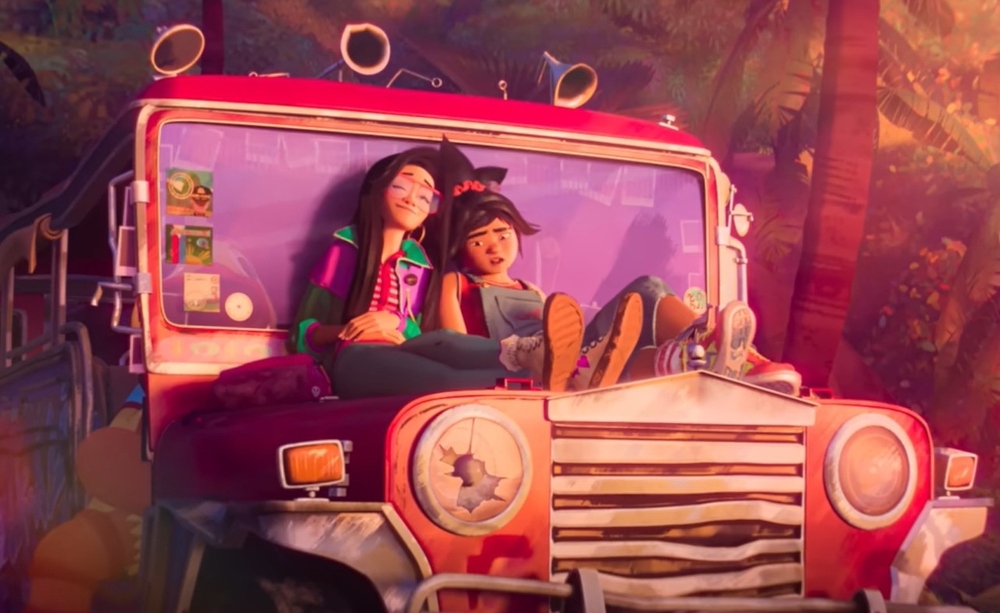
Directed by Joel Crawford and Januel Mercado, the animated film is set in the Philippines in 1990 and follows Jo and Raissa, whose lives change when they are transported to the mysterious world of Nakali.
There, they encounter creatures and legends drawn from Philippine folklore as they race to escape an island that threatens to erase their memories of each other.
The story combines its fantasy adventure with elements of Filipino culture, from traditional legends and language to family relationships and everyday experiences.
The film has also received an early positive response from critics, debuting with a 100 per cent score on Rotten Tomatoes based on initial reviews.
Rotten Tomatoes is a review aggregation platform that compiles critics’ ratings to produce a percentage score reflecting how many reviews are positive.
From manananggal to batibat: Filipino legends brought to life
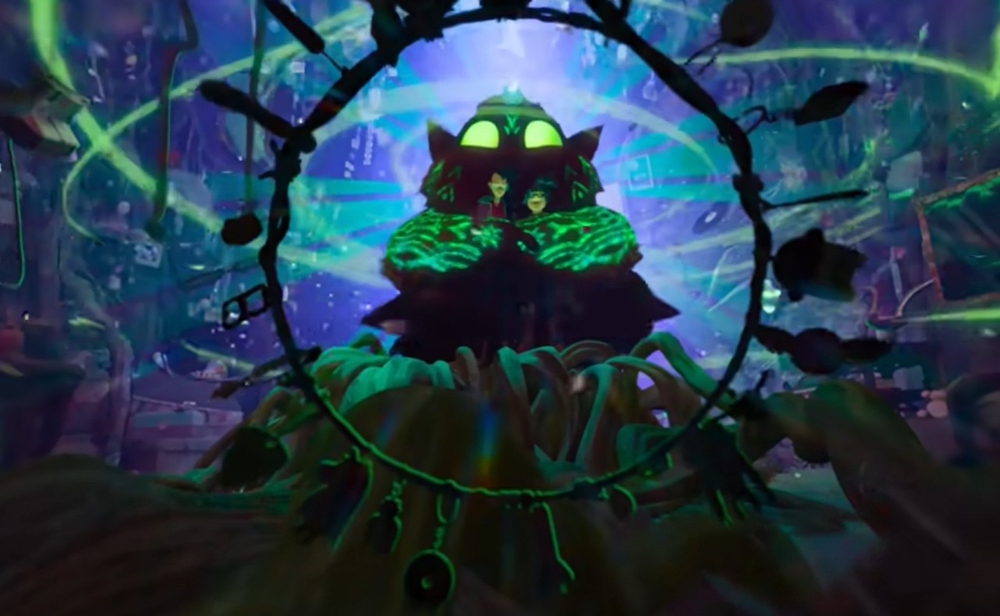
Much of Nakali’s fantastical world draws from Philippine mythology, introducing audiences to creatures that have been part of Filipino folklore for generations.
Among them is the manananggal, traditionally depicted as a supernatural creature that separates its upper body from the lower half before taking flight at night in search of its prey.
The film also features the kataw, an aquatic mythical creature similar to a mermaid, and the tiyanak, a creature that usually takes the form of a baby and uses its cries to lure unsuspecting travellers.
The batibat, another figure from Philippine folklore, is believed to cause nightmares by sitting on a sleeping person’s chest.
Many other mythical creatures appear throughout the film, allowing the filmmakers to draw from traditional stories while presenting them within a family-friendly fantasy accessible to younger audiences.
Authentic Filipino family life on screen
Beyond its mythical creatures, the film also draws on familiar aspects of Filipino culture.
Karaoke, food, family gatherings, and traditions passed down through generations, including stories shared within families, are woven into the story, while the use of Tagalog adds another layer of cultural detail.
Together, these elements bring a sense of everyday Filipino life to the fictional setting, alongside its fantastical world.
Filipino representation behind the voices
The film’s cultural connection is also reflected in its voice cast, which includes several performers with Filipino heritage.
Liza Soberano, who has Filipino and American roots, voices Raissa, while singer and actress H.E.R., who has Filipino heritage through her mother, voices Jo.
They are joined by Filipino performers Lea Salonga and Dolly de Leon, Filipino-Canadian actor Manny Jacinto, and American comedian Jo Koy, who also has Filipino heritage.
Dave Franco and Jenny Slate are also part of the cast, while Malaysian-born comedian and actor Ronny Chieng voices King Truffle Wuffle.
Early Malaysian reaction
For Malaysian audiences who caught the film during its early screenings, the response has also been positive.
One Malaysian viewer who attended an early screening praised the film’s colourful animation and said its Filipino and South-east Asian elements felt relatable.
Another local review noted that the film initially appeared to be a familiar animated story centred on friendship based on its trailers, but the reviewer’s expectations changed after watching it, describing the finished film as offering much more than the trailers suggested.
These cultural details help give Forgotten Island a distinctly Filipino identity, while its story of friendship and memories gives it a wider appeal.
Final thoughts
Like Pixar’s Coco, which puts Mexican culture at the heart of its story through Día de los Muertos (Day of the Dead), and Sony’s K-pop Demon Hunters, which draws on K-pop culture, Korean folklore and spiritual traditions, Forgotten Island uses Filipino culture as an important part of its world.
Yet beneath its mythical creatures and magical setting, the film remains a story about friendship.
As Jo and Raissa search for a way home, they confront the possibility of losing their memories and, with them, the experiences that have shaped their bond.
By weaving Filipino folklore, language, family traditions, and everyday details into Jo and Raissa’s journey, the film gives its fantasy world a strong sense of place while keeping their friendship at the heart of the story.
Forgotten Island opens in Malaysian cinemas today.


