


KUALA LUMPUR, Nov 8 — What began as a small side business selling traditional Indian food has now become the main source of livelihood for Thirunavukkarasan Krishnana, 52, who took over the family business after his father suffered a stroke sometime in the 1990s.
The firstborn of three siblings said the incident happened while he was studying engineering at a private college in Petaling Jaya.
His father, then working at the Royal Selangor Golf Club, had started a part-time business selling food from a motorcycle before switching to a van a few years later to support the family.
Drawing on his experience helping his father with the business since his school days, Thirunavukkarasan was determined to continue the family business to support his family without disrupting his studies.
“After classes, I had to drive the pickup truck used for selling sugarcane juice and coconut drinks. I would drive the truck to college and head to the night market after classes.
“Among the places I used to trade were Taman Ikan Emas in Cheras, Taman Muda in Ampang, Taman Tun Dr Ismail (TTDI) and the Kelana Jaya area,” he told Bernama when met at his stall at the Putrajaya Permanent Farmers’ Market recently.
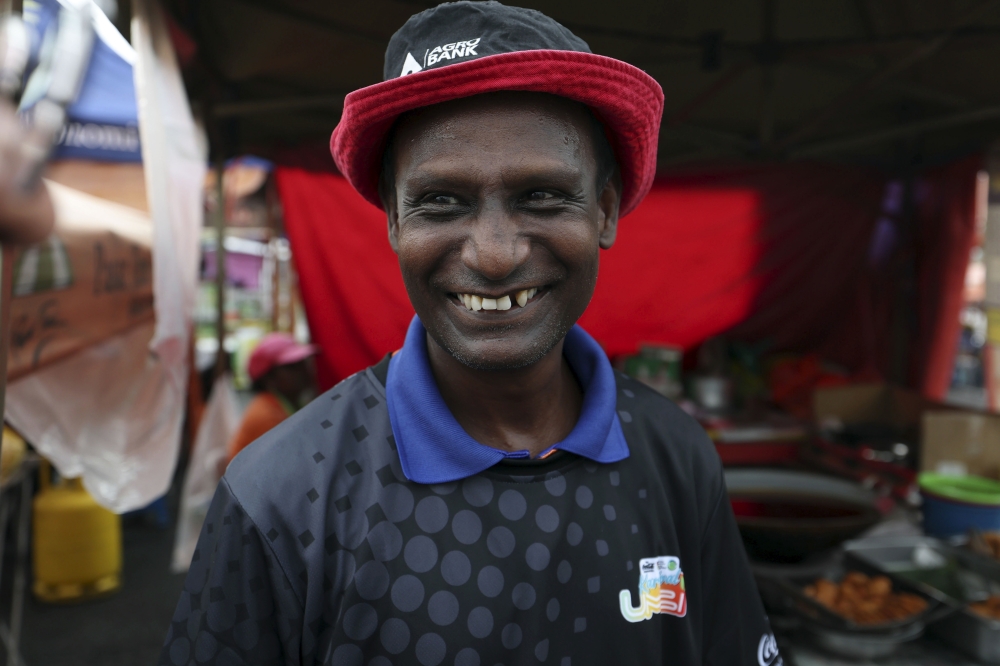
Today, Thirunavukkarasan, assisted by his wife and children, sells a variety of traditional Indian food four times a week at several locations, including Putrajaya, Jalan Tuanku Abdul Rahman and TTDI.
Ever popular with customers, especially among the Malay community, some of his offerings include vadey, chapati, thosai, apam lenggang and murukku.
The father of three said his business flourished because his prices are affordable without compromising on quality. They are also halal-certified.
UMBI Project boost
On his participation in the UMBI Project, the Kuala Lumpur-born entrepreneur said his business received more attention after he joined the initiative last year.
The UMBI Project is a three-year initiative implemented by the Institute of Malaysian and International Studies (IKMAS), Universiti Kebangsaan Malaysia (UKM), with the support of The Coca-Cola Foundation. It aims to help micro-entrepreneurs strengthen their business management foundations to build stable and consistent incomes.
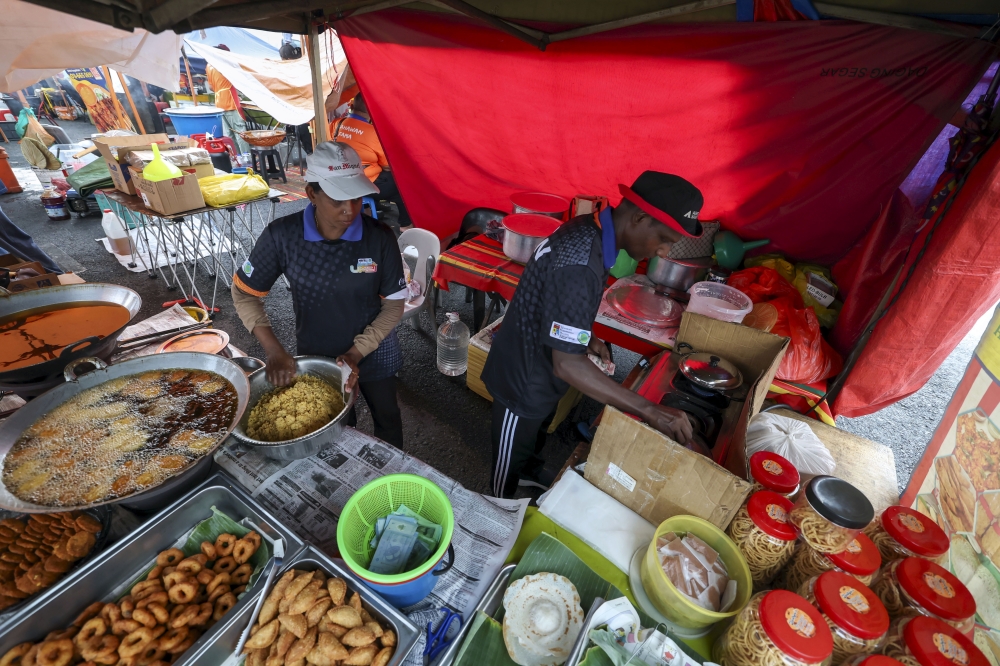
Thirunavukkarasan said he learned how to obtain halal certification, prepare halal food and what halal means via the UMBI Project.
“Through the project, my business gained greater exposure as the initiative brought customers from all over Malaysia, including those who were previously unfamiliar with my products, to make purchases. Sales rose,” he said.
Thirunavukkarasan hopes to pass on the family business to his children. But he said he has to ensure that they have the necessary know-how, coupled with education.
“I always remind them that if they find it difficult to secure a job after graduating from university, they are always welcome to continue the family business legacy,” he said.
In conjunction with the Deepavali celebrations, Thirunavukkarasan’s story reflects his love, sacrifice and his spirit of perseverance.
These are the foundations to preserve his heritage and family legacy. Together with his traditional halal food offerings, he continues to build a legacy enjoyed and cherished by a multi-racial community. — Bernama


