

SHANGHAI, March 2 — Asian stocks came under renewed pressure today and oil prices jumped after rising worries about the impact of aggressive sanctions against Russia over its invasion of Ukraine sank shares in Europe and on Wall Street.
As global sanctions against Moscow tighten, the United States is poised to ban Russian flights using American airspace, following similar moves by the European Union and Canada.
US President Joe Biden is expected to announce the ban during his State of the Union speech beginning at 0200 GMT yesterday, in which he will also accuse Russian President Vladimir Putin of having misjudged the West with the invasion of Ukraine.
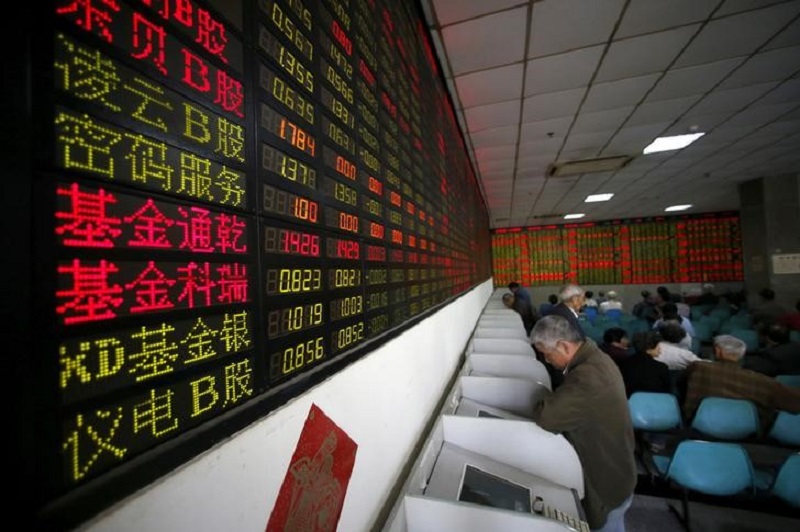
Early in the Asian trading day, MSCI's broadest index of Asia-Pacific shares outside Japan was down 0.19 per cent with China's blue-chip CSI300 index 0.89 per cent lower.
Japan's Nikkei fell 1.5 per cent.
In Australia, the benchmark ASX 200 index was up 0.2 per cent as rising commodity prices lifted miners' shares.
“The Russia-Ukraine conflict will probably continue to dominate markets for the foreseeable future. The announcement yesterday that Russia will not pay coupons to foreign holders on its government debt should push investors further into safe-havens,” ING analysts said in a note.
“Support for starting the EU membership process for Ukraine shows the unity of support for Ukraine from Western Europe but is unlikely to help calm tensions.”
Yesterday, the S&P 500 and Nasdaq Composite indexes closed about 1.6 per cent lower, while the Dow Jones Industrial Average dropped nearly 1.8 per cent.
Global sanctions against Russia have prompted a string of major companies to announce suspensions to or exits from their businesses in the country.
Exxon Mobil said yesterday that it will exit Russia operations, including oil production fields, following similar decisions by British oil giants BP PLC and Shell, and Norway's Equinor ASA.
Exxon's announcement comes as the price of oil continues to surge above US$100 (RM419.20) per barrel. This morning, global benchmark Brent crude jumped 2.6 per cent to US$107.69 per barrel, and US West Texas Intermediate crude rose 3 per cent to US$106.50.
“We're starting to see what impact these sanctions could have on Russian oil exports and the challenges they pose and that's driving the price higher,” said Craig Erlam, senior market analyst at OANDA.
The rise came despite a global agreement to release 60 million barrels of crude reserves to try to rein in price increases.
“We saw an underwhelmed reaction when this happened in November as well and that was before Russia invaded Ukraine,” Erlam said.
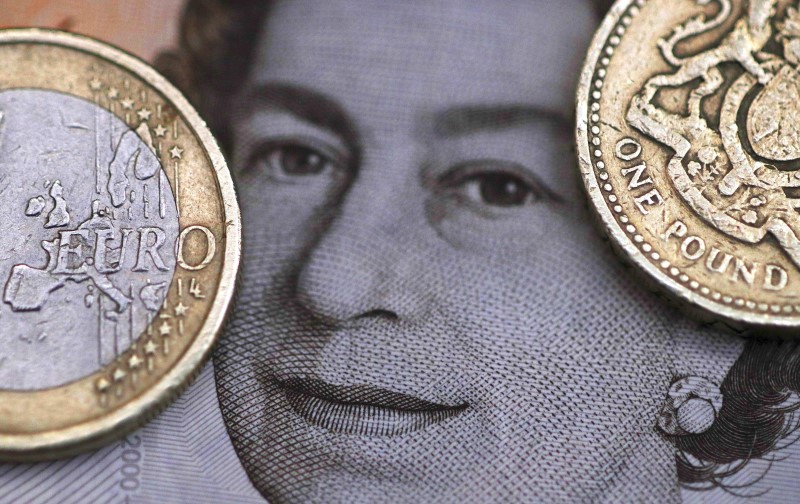
In the currency market, the dollar was last quoted up 2.83 per cent against the rouble at 108.01 after touching a record high of 117 a day earlier.
The dollar was also stronger against the yen, up 0.1 per cent at 115.01, while the euro firmed to US$1.1133. Against a basket of currencies of other major trading partners, the dollar was up at 97.339.
The greenback's rise came as US Treasury yield rebounded after dropping to eight-week lows yesterday. A shifting global growth outlook as a result of the worsening conflict has seen investors trim bets that the Federal Reserve will aggressively hike interest rates in coming months.
The benchmark US 10-year yield rose to 1.7548 per cent from 1.711 per cent late yesterday and the policy-sensitive 2-year yield jumped to US$1.3785 from 1.305 per cent.
Fed funds futures markets now price only a 5 per cent chance of a 50 basis point hike at the Fed's March meeting, though a smaller 25 basis point hike is seen as a virtual certainty.
Gold, which touched an 18-month high last week and had surged nearly 2 per cent yesterday over the worsening Ukraine crisis, gave back 0.5 per cent to 1,933.96.
Bitcoin, which had soared nearly 15.5 per cent yesterday on strengthening conflict currency credentials, fell 1.2 per cent to US$43,911.84. ― Reuters