


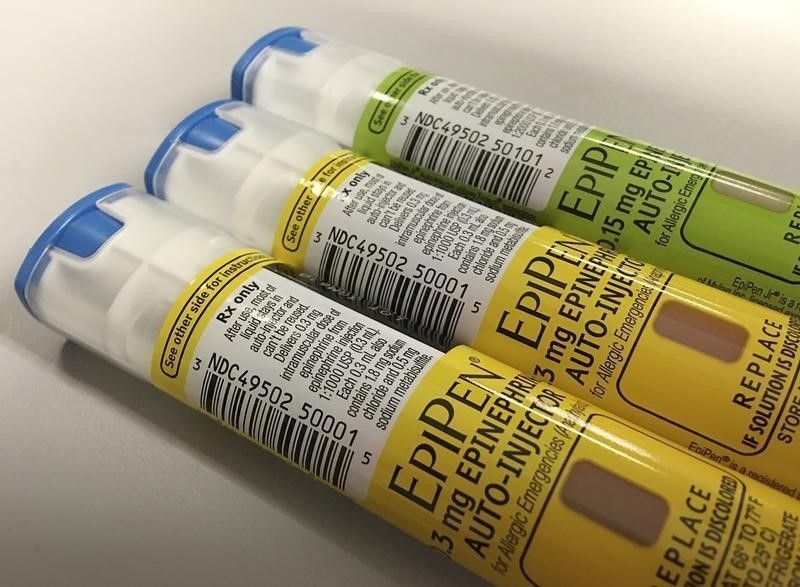
NEW YORK, Aug 25 — Mylan NV said today it would reduce the out-of-pocket cost of its severe allergy treatment EpiPen through a discount programme, a day after Democratic Presidential candidate Hillary Clinton joined lawmakers in criticising the drug’s high price.
The company, which did not lower the drug’s list price, said it would reduce the patient cost of EpiPen through the use of a savings card, which will cover up to US$300 (RM1,211) of EpiPen 2-Pak.
Price of the product, acquired in 2007, has zoomed to US$600 from US$100 in 2008. For patients previously paying the full list price, the card effectively reduces their out-of-pocket cost exposure by 50 per cent, Mylan said.
The company said it is also doubling the eligibility for its patient assistance programme, which will eliminate out-of-pocket costs for uninsured and under-insured patients and families.
Clinton yesterday called on Mylan to voluntarily drop EpiPen’s price. Drugmakers are increasingly being called to task by lawmakers and consumers for routinely hiking drug prices, especially after acquiring the products.
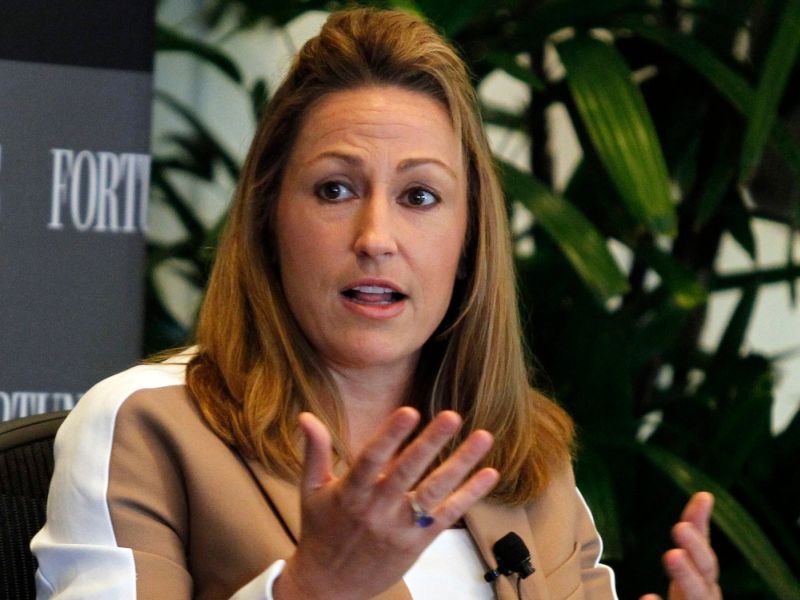
Mylan Chief Executive Heather Bresch, defending EpiPen’s price in an interview today on CNBC, said her company had spent hundreds of millions of dollars improving EpiPen, including making its needle invisible, since acquiring the device from German generic drugmaker Merck KGaA.
“When we picked up this product, they (Merck) weren’t spending a dollar on it,” said Bresch,
Bresch said Mylan recoups less than half of EpiPen’s list price because pharmacy benefit managers, which often require discounted prices or rebates from drugmakers, are involved, along with insurers and others.
Rather than roll back EpiPen’s price, Bresch said Mylan is offering coupons equivalent to cash. “We went around the system.”
Clinton’s comments yesterday came after a bipartisan group of lawmakers called for investigations into the price increase of EpiPens, which are preloaded injections of epinephrine (adrenaline) used in case of a dangerous allergic reaction that could cause death, if untreated.
Yesterday, Republican Senator Susan Collins and Democratic Senator Claire McCaskill requested that Mylan provide a briefing to explain the price change.
A group of lawmakers said yesterday they had written the US Food and Drug Administration asking about its approval process for alternatives to the EpiPen.
The comments from Clinton and lawmakers hit biotech stocks yesterday, similar to the slump last fall when Clinton first criticised the high cost of drugs.
But Mylan’s stock, which had fallen over 10 per cent this week, rose 3.2 per cent today, after announcement of its discount programme.
Clinton admonished Valeant Pharmaceuticals International Inc, which raised the price of a heart drug. In March, she released a campaign ad vowing to target the company.
She has also sharply criticised Turing Pharmaceuticals for raising the price of an antiviral medication commonly used by AIDS patients and pregnant women, to US$750 from US$13.50 a tablet.
Turing was then led by Martin Shkreli, who became the poster child for the issue of soaring prices for prescription medications. He later stepped down as CEO of Turing.
Bresch, daughter of Democratic US Senator Joe Manchin of West Virginia, said she contacted members of Congress in the past two days and asked to meet with them to discuss what she called an “unsustainable” drug pricing system.
She said one of the calls was to Senate Judiciary Committee Chairman Chuck Grassley (R-Iowa), who recently wrote a letter to Mylan asking for an explanation of big EpiPen price increases. — Reuters


