









GEORGE TOWN, Nov 19 — The RM8.4 billion Capacity Charge payable over 40 years under the Bulk Water Supply Agreement (BWSA) between Penang and Perak represents deferred payments to recover the construction costs of a water treatment plant built specifically to supply water to Penang.
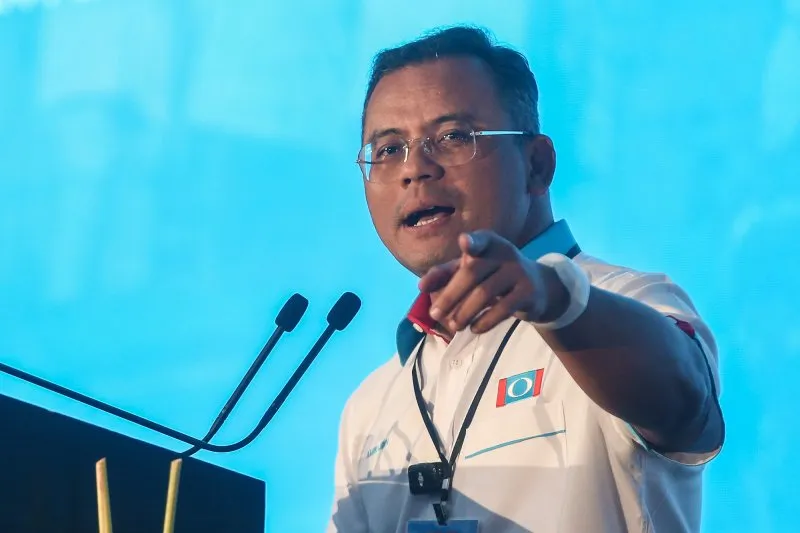
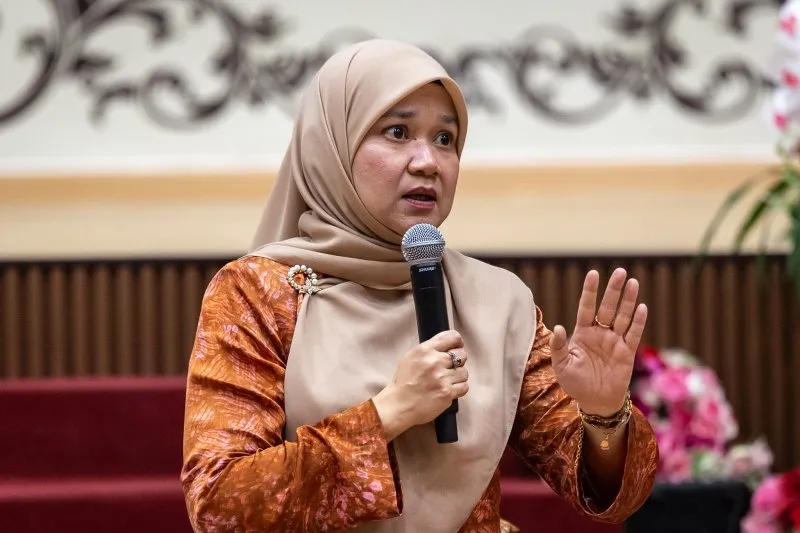
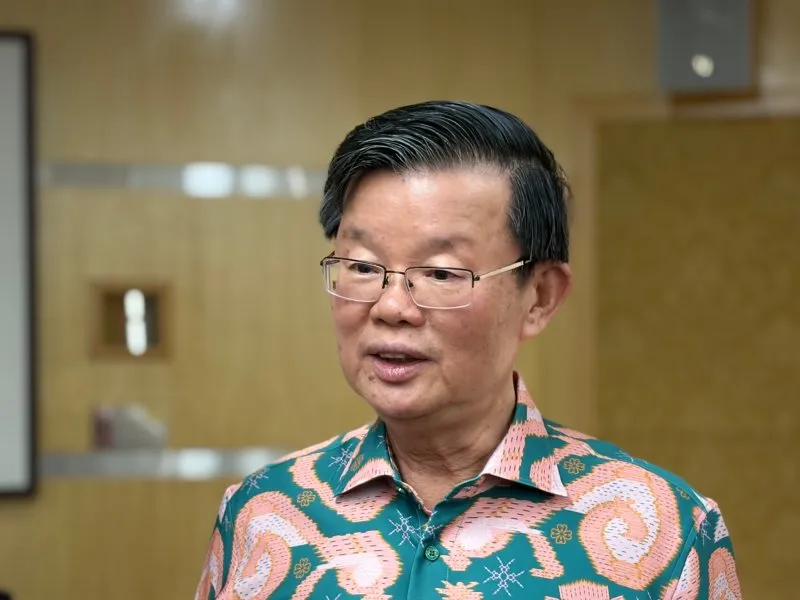
Penang Chief Minister Chow Kon Yeow said the charge, amounting to RM210 million annually, was an “availability payment” for the plant’s capacity.
It is a standard payment mechanism in long-term bulk water supply agreements and is separate from charges for the actual volume of water supplied, he said.
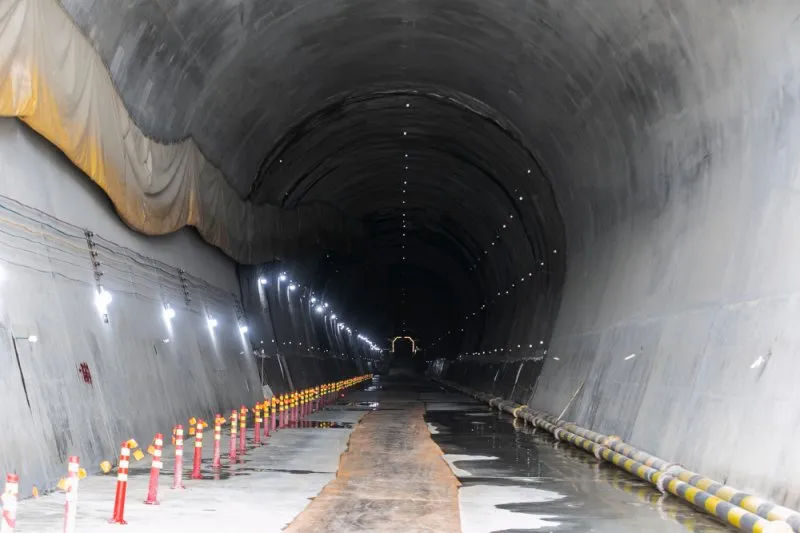
He explained that the water treatment plant, with a capacity of 500 million litres per day (MLD), was constructed exclusively to supply the Penang Water Supply Corporation (PBAPP), at an estimated construction cost of RM3 billion.
“When financing costs and plant renewal works over the 40 years are taken into account, the total amount comes to RM8.4 billion. This figure has undergone scrutiny and review by financial consultants appointed to conduct due diligence on the project.
“Prasarana Air dan Irigasi Perak (PAIP) is responsible for securing the financing and bearing the construction risks, while PBAPP is not required to make any upfront payments or capital contributions to PAIP,” he said in a statement today.
Yesterday, Bagan Member of Parliament Lim Guan Eng, who is also a former Penang Chief Minister, questioned why PBAPP was required to pay RM210 million annually for 40 years, amounting to RM8.4 billion, despite no treated water having been supplied to Penang to date.
Chow, who also chairs PBA Holdings Berhad (PBAHB) and PBAPP, explained that the plant’s construction costs would be recovered through the annual Capacity Charge over 40 years, beginning when water supply commences.
This arrangement, he said, would spread the financial commitment over the agreement’s duration, making the payments more manageable for PBAPP.
He added that the BWSA also provides for a separate Supply Charge, amounting to RM16.2 billion of the total RM24.6 billion payable under the agreement, which represents the cost of the water itself.
Addressing concerns raised by five PBAHB directors who had expressed reservations about certain aspects of the agreement, Chow said they generally acknowledged the need to secure the water supply but had raised concerns over the payment terms.
These concerns included the possible invocation of the “Perak State Interest Clause” and the implications of a prolonged suspension of water supply.
Chow stressed that several safeguards had been incorporated into the agreement to protect Penang’s interests, particularly those of PBAPP.
He said that under the agreement, PBAPP is only required to pay the Supply Charge based on the actual volume of water received that meets the stipulated quality standards.
Furthermore, PAIP is required to compensate PBAPP at an agreed rate for every cubic metre of water shortfall or supply that fails to meet the required quality standards, as verified by an independent laboratory.
He said PBAPP also retained the right to terminate the agreement and claim damages if PAIP breached its contractual obligations and failed to rectify the breach within 90 days.
In the event of a water supply suspension lasting more than three months, provided the disruption was not caused by PBAPP, either party would be entitled to request a renegotiation of the agreement. This could include referring the matter to their respective state governments for mediation.
“Either party may terminate the agreement only if the renegotiations fail to reach an agreement after a further three-month period.
“In such circumstances, PBAPP would only be required to make a one-off payment equivalent to the outstanding balance of the Capacity Charges, discounted at a rate of four per cent per annum, instead of continuing to pay RM210 million annually until 2072,” he explained.
Chow emphasised that the BWSA, which provides for a balanced allocation of risks between PBAPP and PAIP, was a strategic measure to secure Penang’s long-term water supply, particularly as the state’s existing surface water resources are projected to reach full utilisation by 2030. — Bernama