







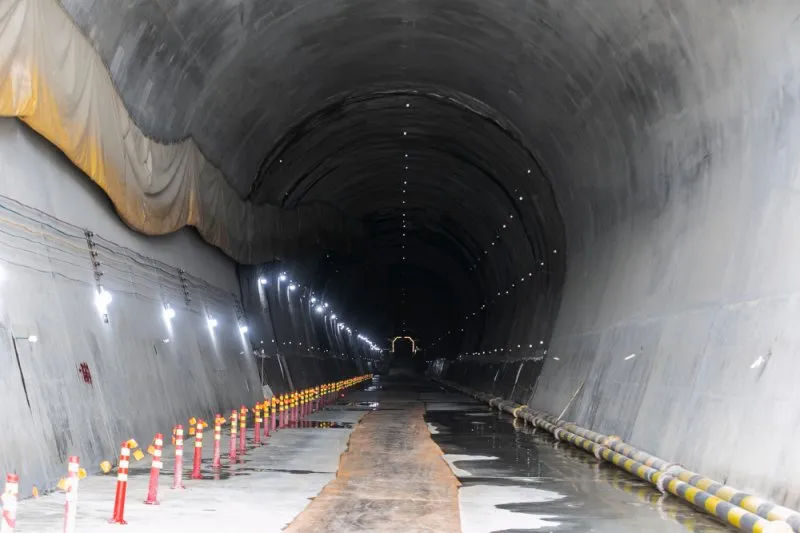
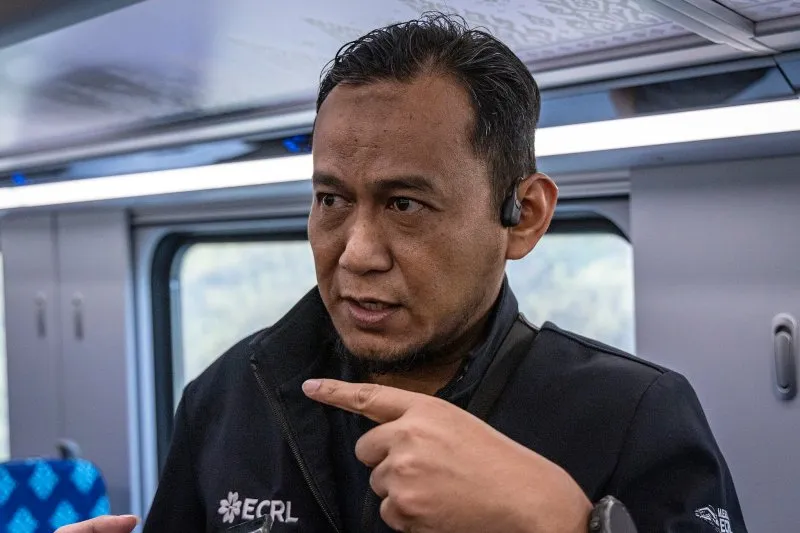
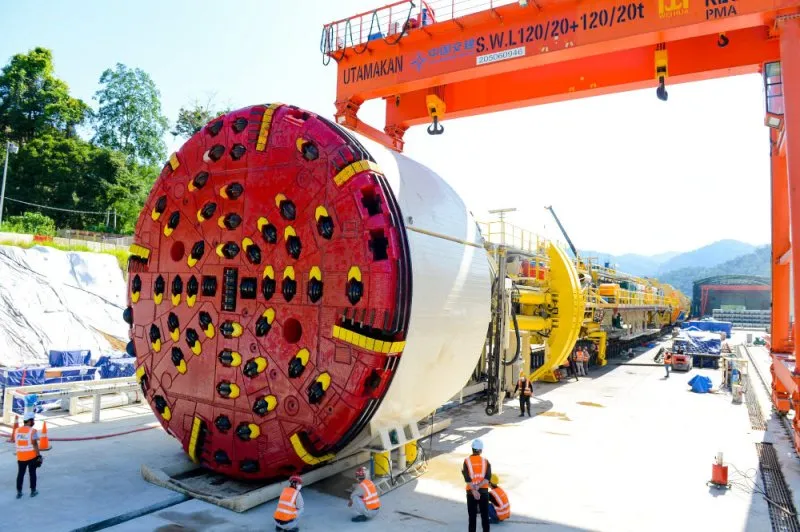
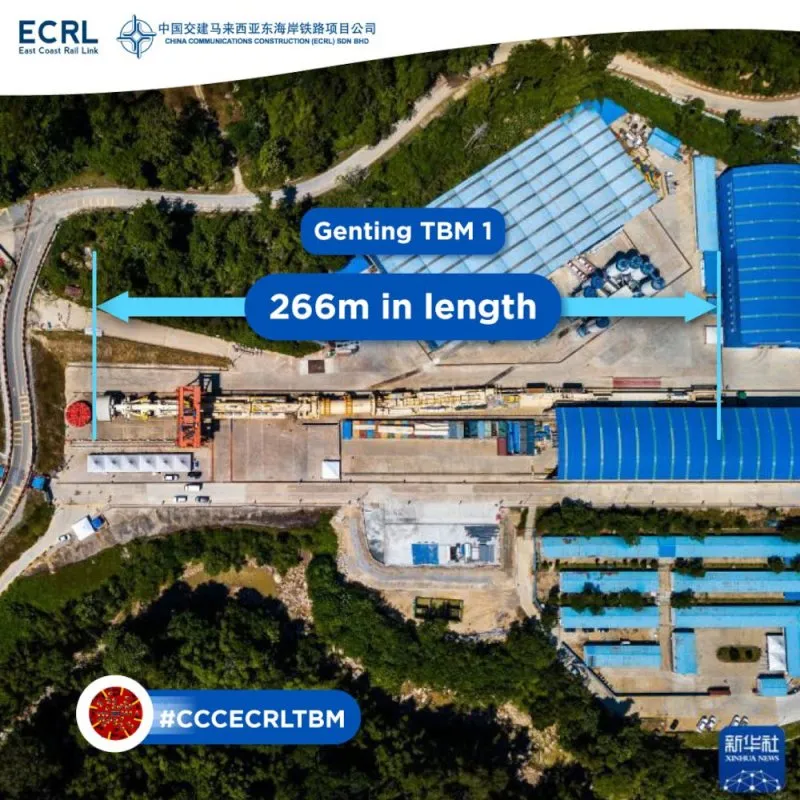
KUALA LUMPUR، Nov 19 — For passengers travelling on board the East Coast Rail Link (ECRL)، passing beneath the Titiwangsa Range between Gombak in Selangor and Bentong in Pahang may seem like just another part of the journey.But beneath the mountains is one of the project’s greatest engineering achievements.At 16.39 kilometres long، the twin-bore Genting Tunnel is not only a crucial link in the ECRL network but also showcases the engineering expertise، specialised technology and painstaking work required to carve a path through the rugged terrain of the Titiwangsa Range.Today، the Genting Tunnel holds the distinction of being the longest rail tunnel in both Malaysia and South-east Asia.“It takes approximately 6.2 minutes to traverse the entire tunnel at an average cruising speed of 160 kilometres per hour,” ECRL Head of Infrastructure Design Mohd Rahiman Ab Rahman told Malay Mail during a recent media familiarisation trip.While passengers traverse the tunnel in just over six minutes، its construction presented a far greater challenge، particularly navigating the varying geological conditions beneath the 300-million-year-old Titiwangsa Range.The giant that eats mountainsBecause the terrain consists predominantly of hard granite، which causes significant wear and tear on heavy machinery، a custom-built، one-of-a-kind open-type hard-rock tunnel boring machine (TBM) was deployed to meet the challenging geological conditions.Built by China Communications Construction Group in Shanghai، the machine measures 266 metres in length، has a boring diameter of 8.98 metres and weighs approximately 1,600 tonnes، tasked with boring through rock formations that have taken millions of years to form.Moving at a maximum rate of 700 metres per month، the TBM excavated the tunnel، transported the excavated material to the surface and installed the concrete lining panels.At the front of this rock-devouring machine، the cutterhead alone weighs approximately 900 tonnes، measures 25 metres in length and has a diameter of 8.98 metres which is the same size as the tunnel diameter.The tunnelling work took approximately two years to complete، culminating in a major breakthrough on July 12,2025.Mohd Rahiman said the Genting Tunnel was unique because it was excavated using a TBM rather than the open-cut method، given the significant overburden pressure exerted by the immense weight of rock and soil above the tunnel alignment.He said passengers may not realise that as their train passes through the single-track tunnel، they are travelling beneath Genting Highlands، with as much as 750 metres of rock and earth separating them from the surface above.To put 750 metres of overburden into perspective، it is equivalent to almost two KL Towers stacked on top of each other underground.“Some of the early challenges involved dealing with water ingress — when external groundwater or surface water breaches the underground structure through rock fractures — as well as rock bursts (caused by the release of stored energy within the rock)، ” he said.Inside the tunnel، Mohd Rahiman said emergency exits are provided at 450-metre intervals to allow passengers and crew to evacuate safely in an emergency، while the tunnel’s design also incorporates a Climate Change Factor (CCF)، with flood protection measures based on a 200-year return period.“The technology used to make the Genting Tunnel possible is truly innovative and a marvel because China is far ahead when it comes to tunnel excavation.“Ultimately، it comes down to combining Chinese technology with adaptations to suit Malaysian conditions، ” he said.While passengers may not pay attention to their journey beneath the Titiwangsa Range، the Genting Tunnel’s significance to the ECRL is anything but hidden.