KUALA LUMPUR, Aug 31 — Before Malaya had even become independent, it was already building the place where independence would be declared.
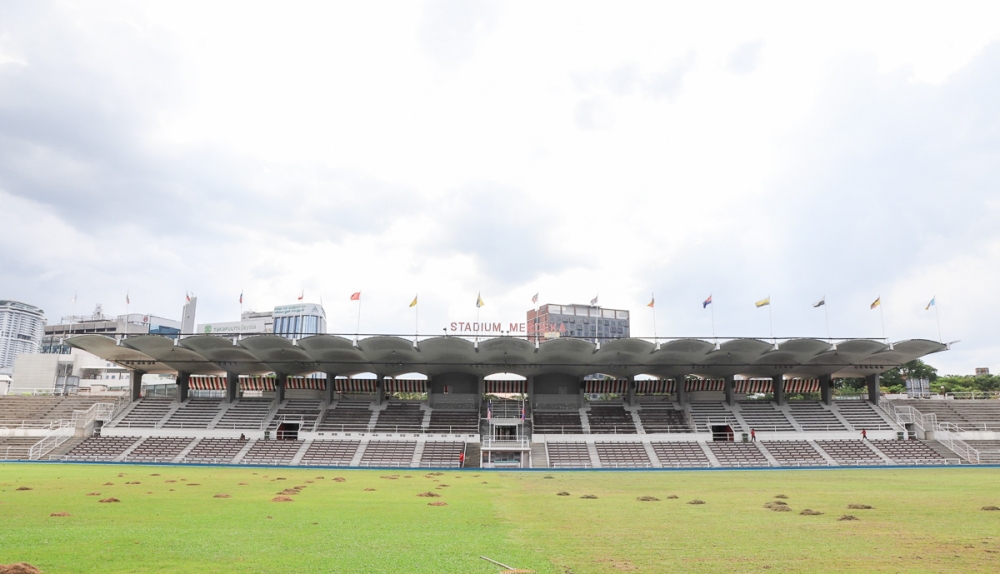
The foundation stone for Stadium Merdeka was laid in February 1957, months before the country was due to end British rule.
Construction was accelerated and the stadium was completed in just six months, opening on August 30 — one day before Merdeka.
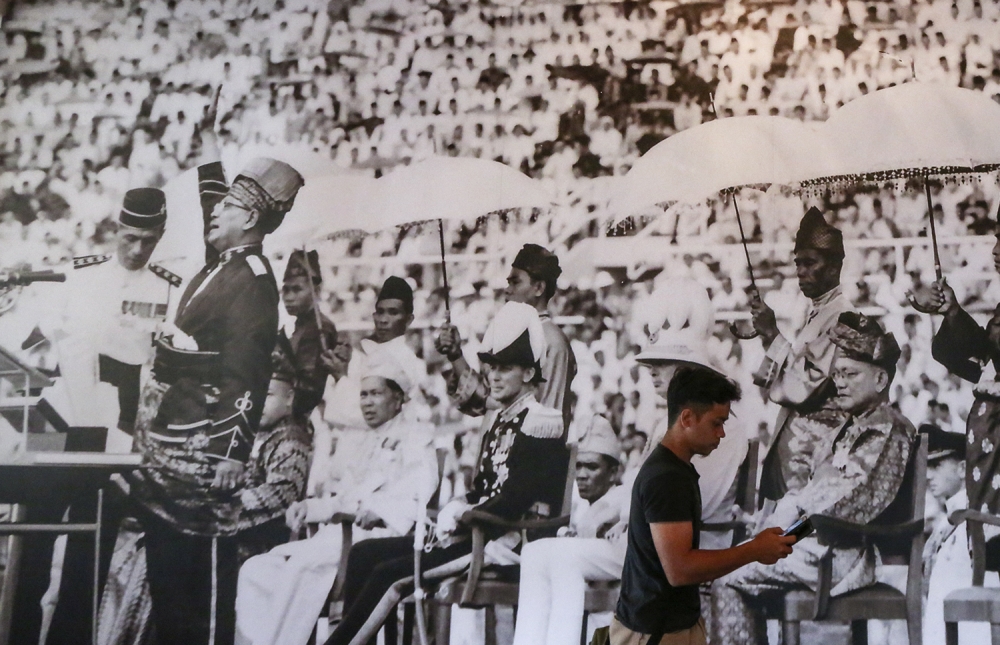
The following morning, it became the stage for one of the defining moments in the country’s history.
At Stadium Merdeka, Malaysia’s first Prime Minister Tunku Abdul Rahman proclaimed the independence of the Federation of Malaya.
It was an appropriate beginning for a country about to embark on a very different kind of construction project.
Over the next eight years, Kuala Lumpur acquired a national stadium, international-class hotels, Parliament House, a national museum, a national mosque, a national language institution, a major water-supply dam and a new international airport.
Some were grand symbols. Others were decidedly practical.
Together, however, they reveal what a young country thought independence should look like.
It was not enough to have sovereignty on paper.
Our fledgling country needed institutions to govern itself, infrastructure to support its growing population and economy, and national symbols through which its people could begin to see themselves as part of something larger than the territories and communities they had inherited.
The result was a burst of construction that turned independence into something that could be seen, entered, used and experienced.
A country announcing itself
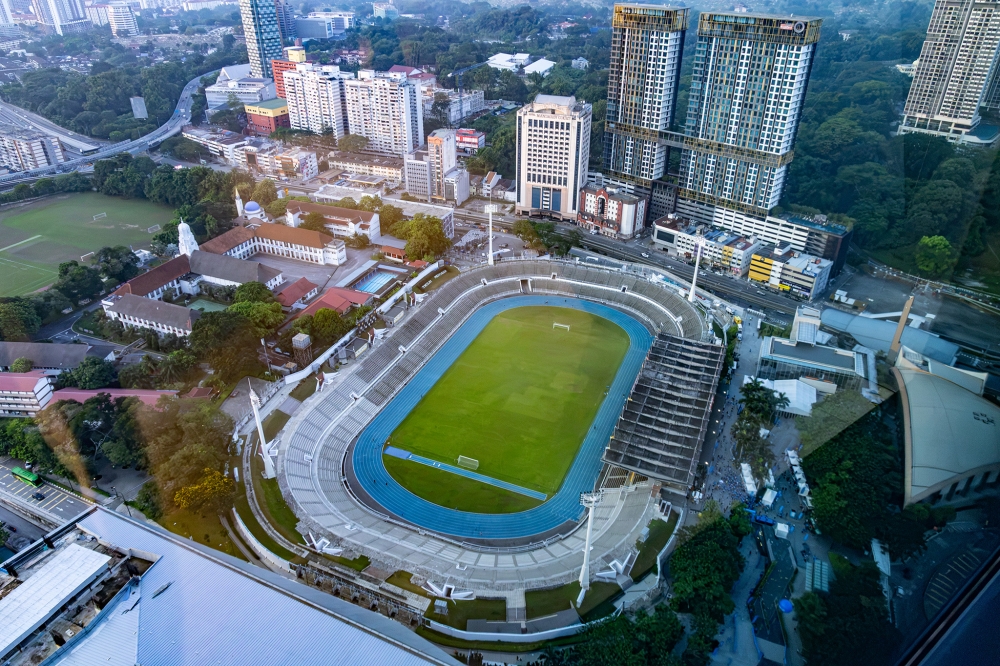
Stadium Merdeka was perhaps the clearest expression of the new nation’s confidence.
Built specifically to accommodate the independence celebrations, its completion in time for Merdeka was itself a statement of intent.
The stadium was designed by British architect Stanley Edward Jewkes, who was also involved in several major post-war public works in Malaya.
Its sweeping cantilevered roof and open seating bowl created a modern structure capable of holding tens of thousands of people.
More importantly, its first great event was not a sporting match.
It was independence.
The choice of a new stadium rather than an existing colonial-era venue gave the declaration a purpose-built setting — a national space created for a sovereign country at the precise moment it came into being.
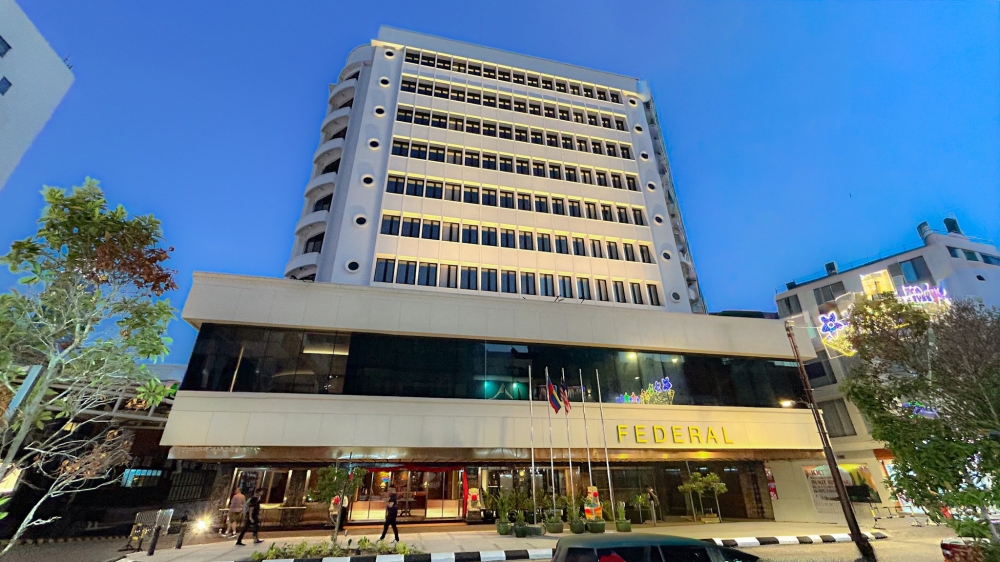
The Federal Hotel, which opened in Bukit Bintang on August 28, 1957, offered another glimpse of what the new capital wanted to become.
Its opening came just three days before independence, and its original 90 rooms were used to accommodate foreign dignitaries and overseas guests arriving for the celebrations.
It was described as the first international-class hotel in the country.
That was more than a matter of comfort.
A newly independent capital needed to receive diplomats, businessmen, tourists and other international visitors.
Kuala Lumpur was beginning to present itself not simply as the administrative centre inherited from the British, but as the capital of a modern country with ambitions beyond its colonial past.
The pattern continued.
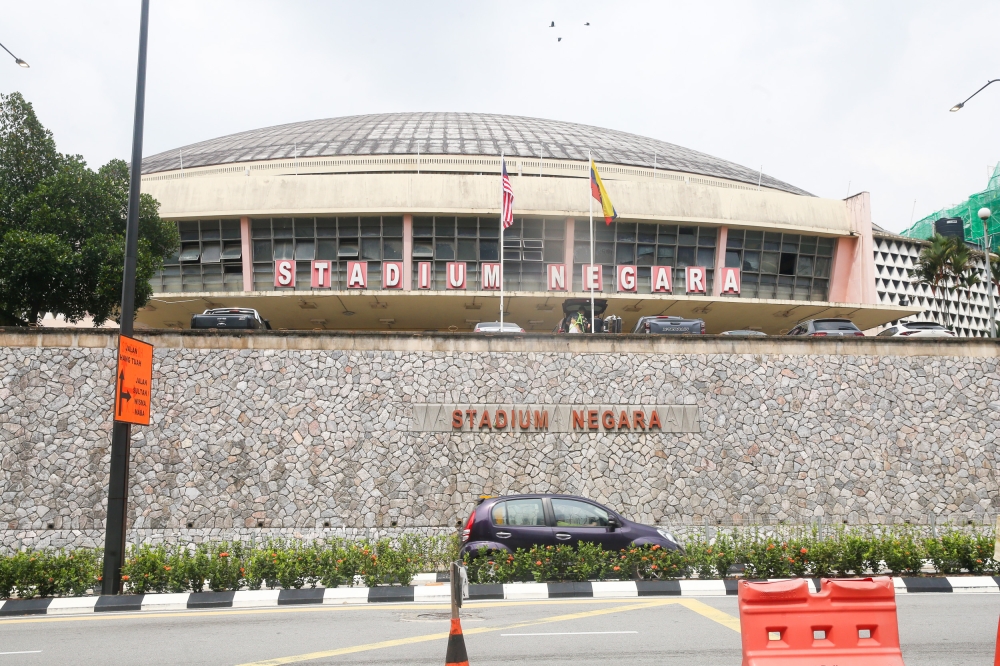
Stadium Negara opened in 1962 as the country’s first indoor stadium, giving Kuala Lumpur another major venue for sports, exhibitions and public events.
The capital was acquiring the physical infrastructure of a city that expected to host the world.
A country building its own institutions
The most important projects, however, were not necessarily the most spectacular.
They were the buildings that gave the new state somewhere to govern, preserve its history and define its identity.
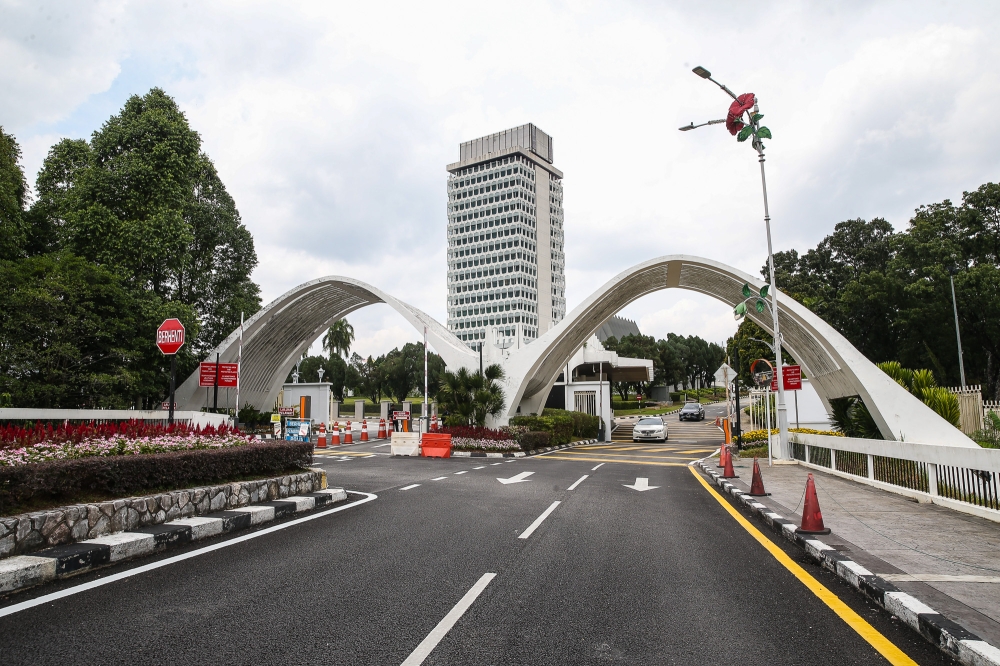
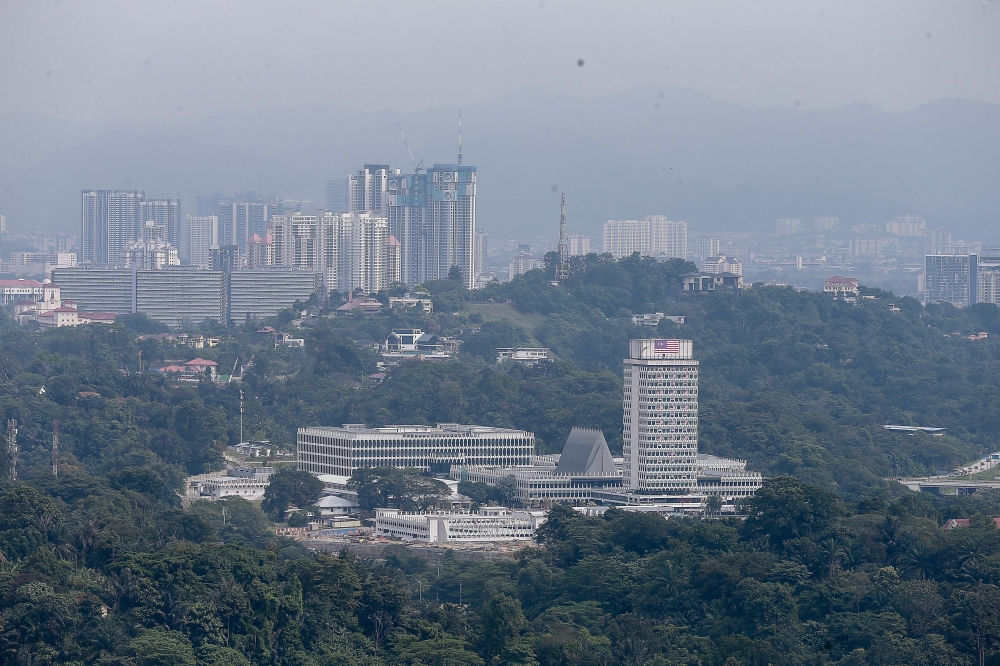
Parliament was perhaps the most literal example.
The Federation of Malaya’s first Parliament had met in a converted building on Jalan Ampang in 1959.
A permanent complex was subsequently planned on a 16.2-hectare site near the Lake Gardens.
Construction began in 1962 after the foundation stone was laid by Tunku Abdul Rahman on August 31 that year.
The site had to be transformed before the building could rise. A hill was levelled and the complex — comprising a three-storey main block and 17-storey tower — was completed in roughly a year at a cost of RM18 million.
The building’s distinctive roof structures and tower made it one of Kuala Lumpur’s most recognisable landmarks.
Its symbolism was even more significant.
Malaysia’s first Parliament sat for the first time in the new complex on September 16, 1963 — the day the new federation itself was formed.
The building therefore became part of the physical birth of Malaysia.
Even the foundation stone contained objects representing the country: a copy of the first House of Representatives Hansard, newspapers, Malaysian currency, tin ore, rubber and paddy.
The message was simple enough.
The new state was being built from its own institutions, resources and political system.
Defining the nation
Other buildings addressed a less straightforward question: what exactly was this new country?
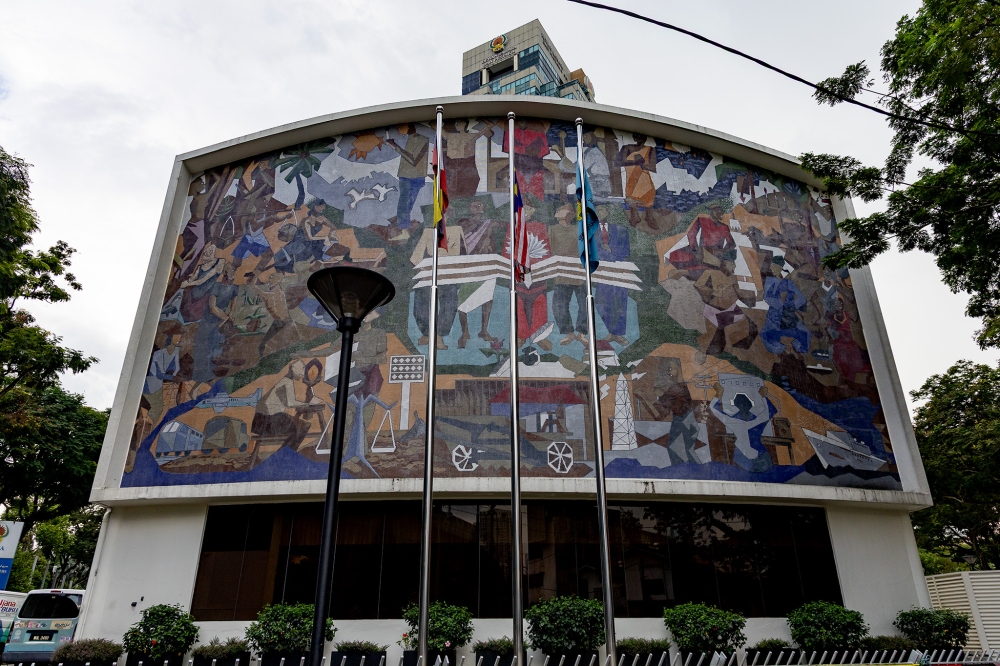
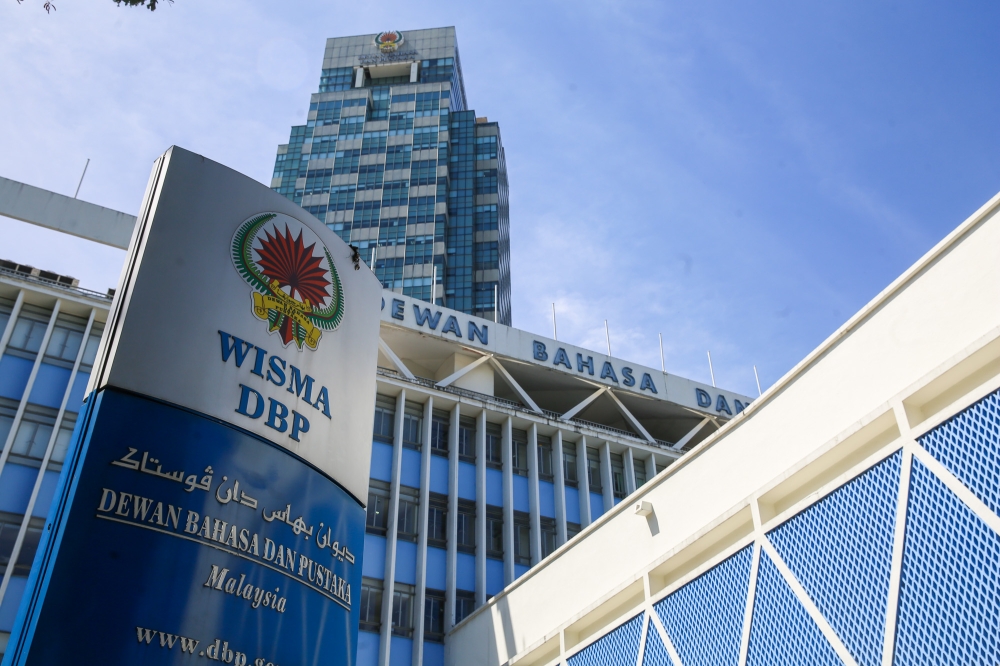
Dewan Bahasa dan Pustaka provided one answer.
The institution had moved to Kuala Lumpur in 1957 and was given statutory status in 1959.
It subsequently moved into its own building on Jalan Lapangan Terbang Lama in 1962.
Its task was to develop and promote the Malay language and literature, making it an important institution in the effort to establish Bahasa Melayu within the life of the new country.
The building therefore represented an aspect of independence that was less visible than a stadium or Parliament.
Political independence had changed who governed the country.
National institutions would help determine how that country spoke about itself.
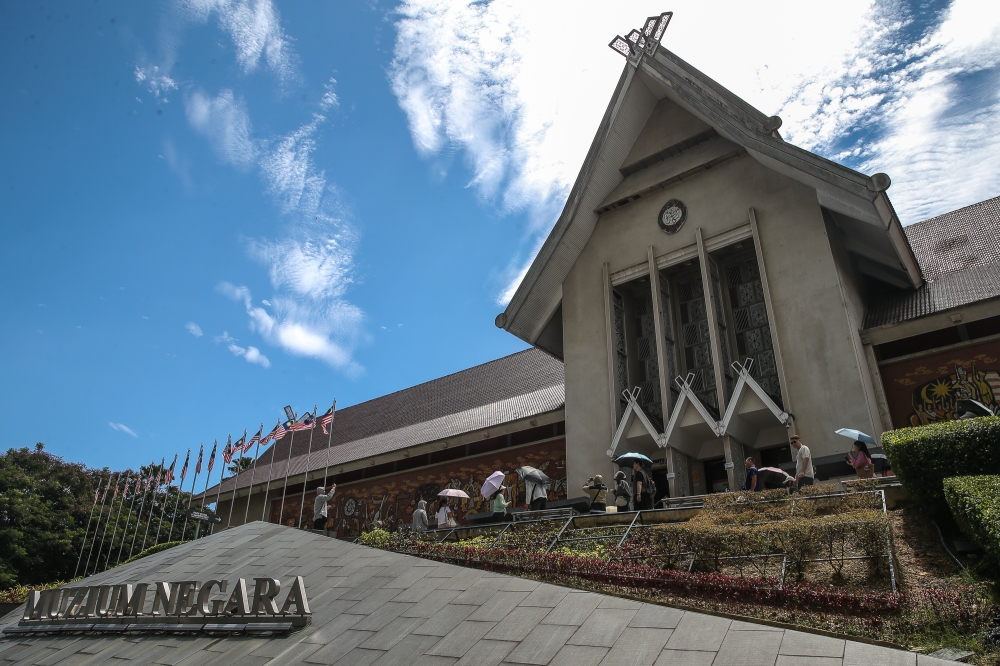
Muzium Negara offered another way of doing the same thing.
Construction began in 1959 and the museum opened on August 31, 1963 — shortly before the formation of Malaysia.
Its architecture drew heavily on local traditions, incorporating Malay vernacular influences alongside elements associated with traditional Malay and Minangkabau architecture.
The building itself thus became part of the story it was designed to tell.
A national museum was not merely a place to keep artefacts.
It was a place to assemble a national past.
By 1963, the question of that past had become more complicated.
Malaya was becoming Malaysia, bringing Sabah, Sarawak and Singapore into a new federation.
The country now needed to accommodate different histories and identities within a common national framework.
The museum, like the language institution, became part of that wider effort to give the new federation a sense of continuity and identity.
Modernity, with a Malaysian face
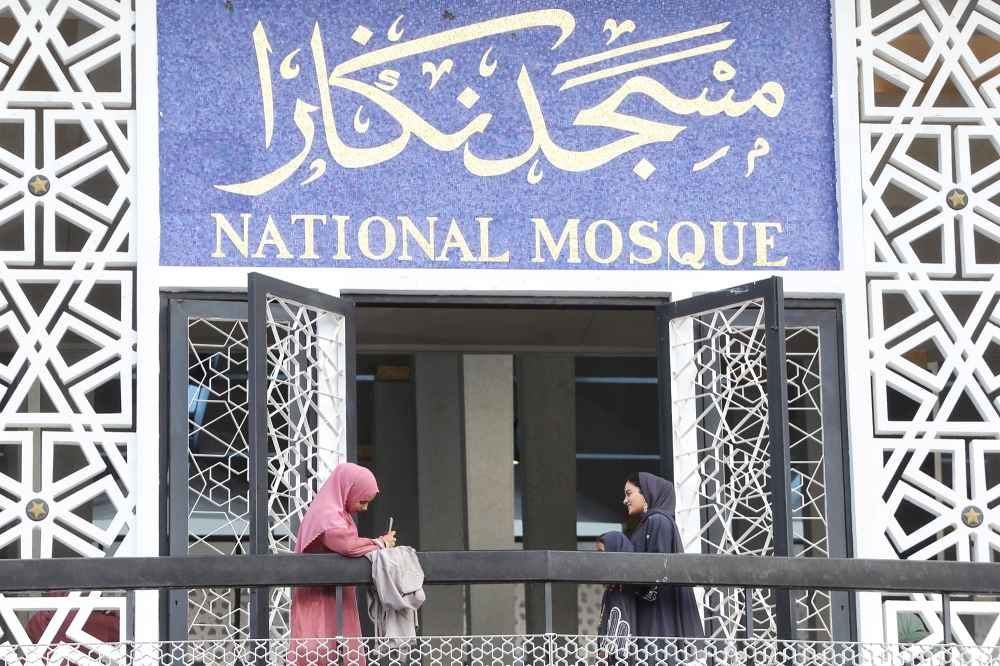
Masjid Negara took another approach to the same challenge.
The idea of a national mosque had emerged around the time of independence.
Tunku Abdul Rahman rejected a proposal for it to bear his name and instead chose Masjid Negara — the National Mosque.
Construction was completed in 1965.
Its architecture was strikingly modern.
The most recognisable feature is its large folded roof, designed in the form of an open umbrella.
The design reflected Malaysia’s tropical environment while incorporating local and Malay architectural influences.
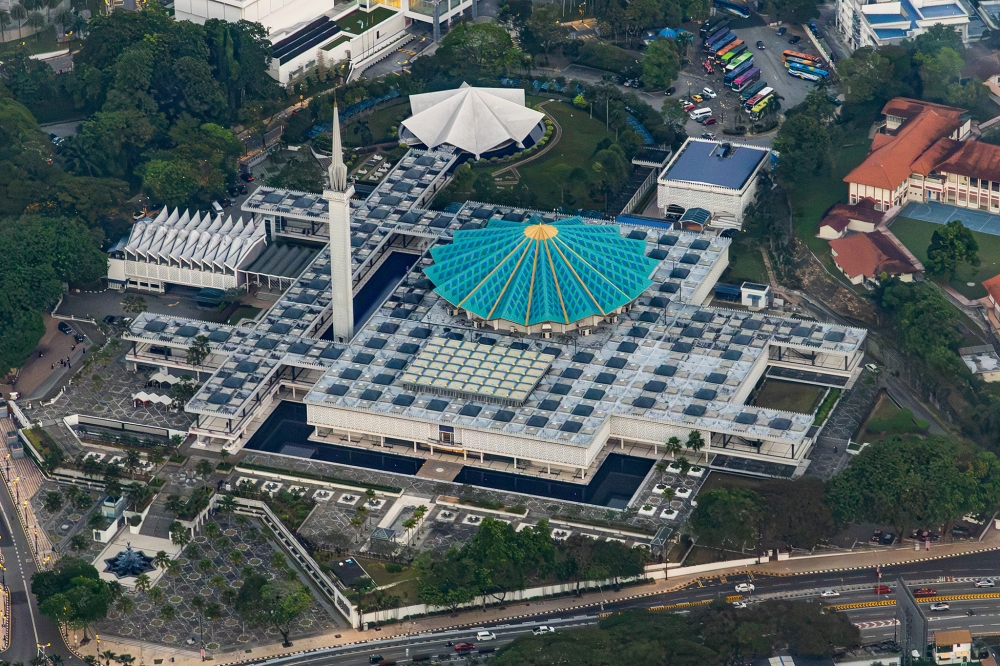
Its 73-metre minaret gave the building a powerful presence in the Kuala Lumpur skyline.
The mosque therefore combined several ideas that the young country was trying to reconcile: Islam, Malay architectural traditions, a tropical environment and modern construction.
It was not a replica of an older architectural model.
It was a national building created in the language of a country that wanted to be modern while retaining a recognisably local identity.
That balance would recur across the architecture of the period.
The buildings were modern, but they did not necessarily look like they could have been built anywhere.
Building what the city needed
For all the symbolism of the national landmarks, independence also required less glamorous infrastructure.
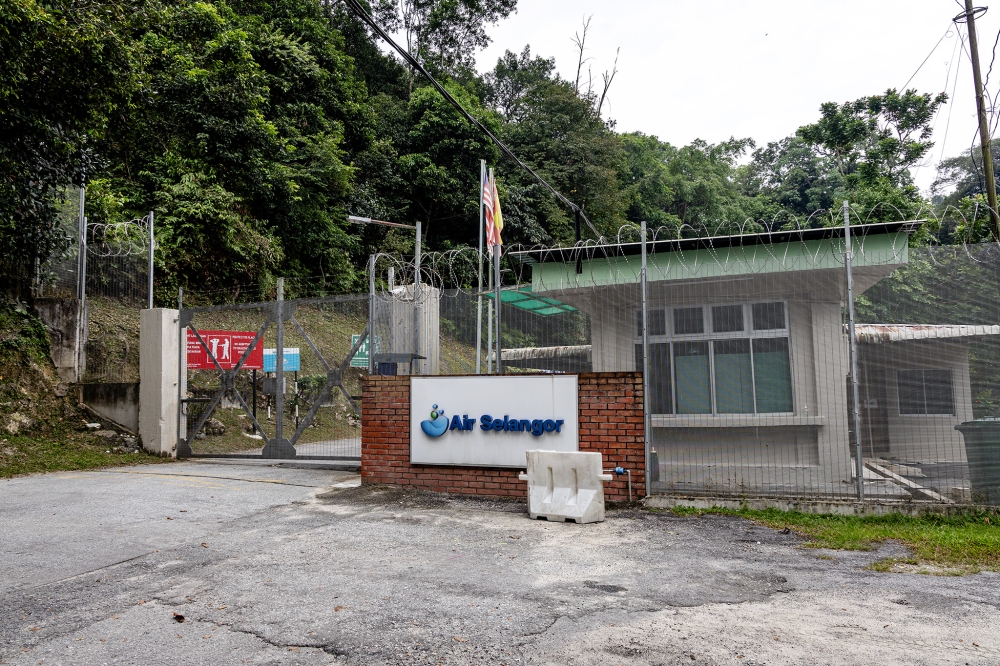
The Klang Gates Dam was completed in 1958 as the first dam in Malaysia built for water supply.
Its purpose was straightforward: provide water for a growing Kuala Lumpur and the surrounding area.
Yet projects like this were just as important to the country’s development ambitions as the buildings carrying national names.
A capital could not expand without reliable water.
Nor could a growing economy function without transport infrastructure.
That was the thinking behind Subang Airport.
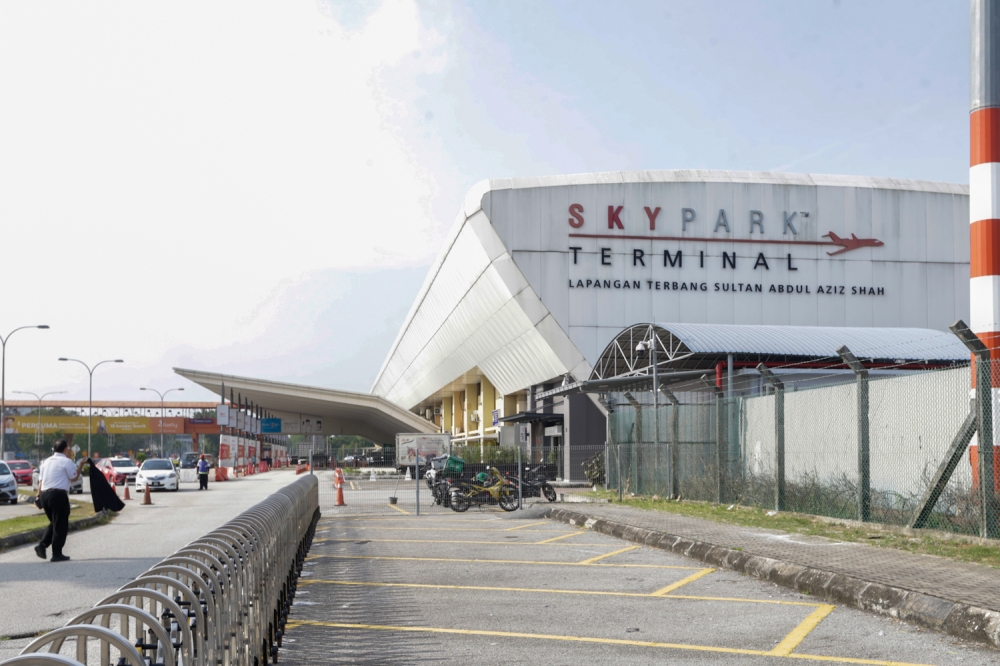
Construction began in 1961 and the airport opened on August 30, 1965, replacing Sungai Besi as Kuala Lumpur’s main airport.
Its 3.7-kilometre runway was then the longest in South-east Asia.
Subang was built for a country that expected its connections with the outside world to grow.
It would allow Malaysia to handle larger aircraft and increasing international traffic while strengthening Kuala Lumpur’s position as a regional centre.
The contrast with Stadium Merdeka was striking.
One building marked the moment the country became independent.
The other was designed for the country that independence was expected to produce.
The timing matters
It would be easy to look at this construction programme today and read it as evidence that the young country was already stable and confident.
The historical context tells a more complicated story.
When Stadium Merdeka was being built in 1957, the Emergency was still ongoing.
The communist insurgency had posed a major security challenge since 1948, and although the Emergency formally ended in 1960, security concerns did not simply disappear.
Then came the question of Malaysia.
In 1961, Tunku Abdul Rahman proposed the formation of a larger federation involving Malaya, Singapore, Sabah, Sarawak and Brunei.
After negotiations and political upheaval, Malaysia was formed on September 16, 1963, with Malaya, Sabah, Sarawak and Singapore as its founding components.
The new federation was almost immediately confronted by Indonesia’s opposition.
Konfrontasi lasted from 1963 to 1966 and included armed incursions, bombings and other attacks.
At the same time, relations between Kuala Lumpur and Singapore deteriorated amid political and communal tensions.
Singapore left the federation on August 9, 1965.
Even then, the construction programme continued.
Masjid Negara was completed that August.
Subang Airport opened on August 30.
The country was dealing with confrontation, political tensions and an uncertain regional environment while continuing to build the infrastructure of a country that was supposed to grow and prosper.
That is what makes the buildings of this period so revealing.
They were not monuments built after the country had settled into a comfortable existence.
They were part of the process of trying to create that future.
An ambition in concrete
The buildings that rose after Merdeka can therefore be read as a kind of physical manifesto.
Stadium Merdeka made sovereignty visible.
The Federal Hotel projected a modern, outward-looking capital.
Parliament gave self-government a permanent home.
Dewan Bahasa dan Pustaka helped establish the institutions of the national language.
Muzium Negara provided a place to construct and preserve a national historical narrative.
Masjid Negara combined religious identity, local architectural traditions and modernity.
Klang Gates Dam provided the water needed for a growing capital.
Subang Airport connected the young country to the region and the wider world.
Their scale mattered. So did their speed.
So did the decision to make many of them unmistakably national in character.
They reflected a government that could not afford to wait for the country to become fully settled before beginning to build it.
In that sense, the architecture of the early post-Merdeka years was not simply a celebration of what Malaysia had already achieved.
It was a declaration of what it intended to become.
The country was modernising.
It was establishing its own institutions.
It was building infrastructure for economic growth.
It was creating national symbols for a population that remained diverse.
It was doing all of this while the political map around it was still shifting.
The eight years between 1957 and 1965 therefore produced an unusual landscape: one in which confidence and uncertainty existed side by side.
The country was young.
Its borders and political arrangements were still being tested.
Its security was fragile.
Its future was far from guaranteed.
Yet the concrete was already going up.
Perhaps that is the most enduring legacy of the buildings of the Merdeka era.
They were not evidence that the young country had everything figured out.
They were evidence that it had decided to build anyway and continue to do so.
Buildings that built the new nation
1957 — Stadium Merdeka
Completed in six months and opened on August 30, one day before independence. The next morning, Tunku Abdul Rahman proclaimed Malaya’s independence there.
1957 — Federal Hotel
Opened three days before Merdeka to accommodate foreign dignitaries and overseas guests attending the independence celebrations. It became a symbol of Kuala Lumpur’s emergence as a modern international capital.
1958 — Klang Gates Dam
Completed as the country’s first dam built for water supply, helping meet the needs of a growing Kuala Lumpur and Klang Valley.
1962 — Stadium Negara
Opened as Malaya’s first indoor stadium, providing a venue for sports, exhibitions and major public events.
1962 — Dewan Bahasa dan Pustaka
DBP moved into its own Kuala Lumpur headquarters as the institution tasked with developing and promoting the Malay language and literature.
1963 — Parliament
The new Parliament complex was completed in time for Malaysia’s formation. Its first sitting took place on September 16, 1963.
1963 — Muzium Negara
Opened on August 31, 1963, providing the new federation with a national institution to preserve and present its history and heritage.
1965 — Masjid Negara
Completed in August 1965. Its distinctive umbrella-shaped roof combined modern construction with local and Malay architectural influences.
1965 — Subang Airport
Opened on August 30, 1965, with what was then South-east Asia’s longest runway, connecting the young country to the wider region and world.
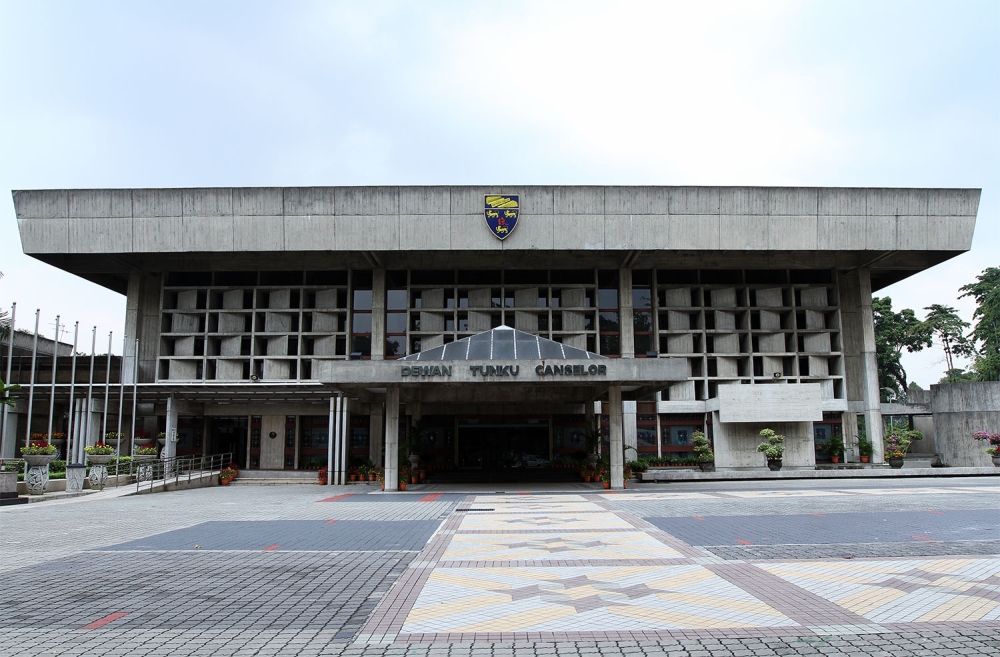
1965–66 — Dewan Tunku Canselor
Built at Universiti Malaya from 1965 and opened in 1966, extending the early post-Merdeka nation-building project into higher education.