















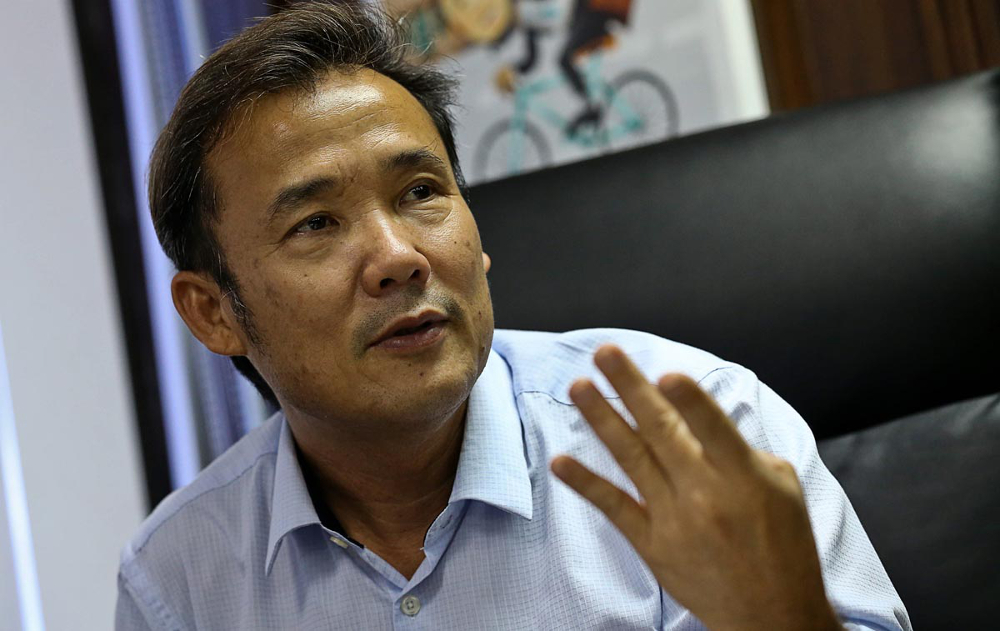


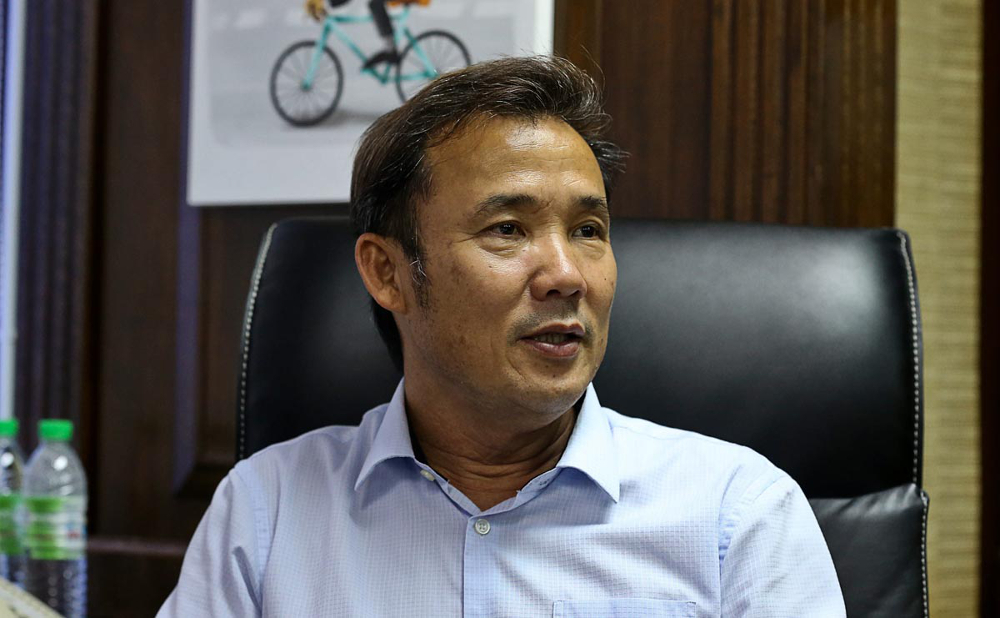
GEORGE TOWN, June 27 — It has been five months since Penang Island City Council (MBPP) Mayor Yew Tung Seang was sworn in to the post, and he has already put in motion a detailed plan of turning George Town into a “smart city”.
The 55-year-old, who was the MBPP secretary previously, has a five-prong plan for this smart city vision.
The first step is to implement smart governance, which is the core of what MBPP does on a daily basis.
“The city council is the best platform to implement smart governance that can simplify the procedures, increase efficiency and improve delivery in a systemised and convenient manner,” he said in a recent interview with Malay Mail.
Smart governance meant the use of technology to deliver all of the city council’s services but it will have to start with planning permission applications to be followed by building permissions, engineering, research and licensing.
Yew said he wants to start a smart planning system that is fully online so that every procedure, from planning permission applications to building plans submissions, can be done online.
“We already have e-licensing and we hope to upgrade and improve the system for easier online license applications,” he said.
A fully online system also means it is available every hour of every day for the convenience of the public.
When all these procedures are online, he said these means the council would also be gathering data at the same time.
“This is where big data comes in and we can use these data in city and town planning,” he said.
The data captured can be on the number of buildings, the types of buildings, the availability of open spaces and the number of shops and businesses.
“With information like this, if I want to create more public spaces, I will know which areas are suitable, which areas are in need of such spaces and how to get the community involved,” he said.
The big data will come in useful for policy planning and city planning that can cater more accurately to suit the people’s needs, he added.
He admitted that this is an ambitious plan as converting all procedures online would take at least a few years to develop and implement.
Together with governance, Yew said the council needs to also work on improving the four other areas — mobility, social engagement, economy and environment.
“I always believe in consultation and engagement with the society and the civil society,” he said.
He said he often practices public engagement and get ideas from professionals on any plans.
Repopulating George Town
Big data will also come in handy for the city council to implement its plans to bring people back to the inner city.
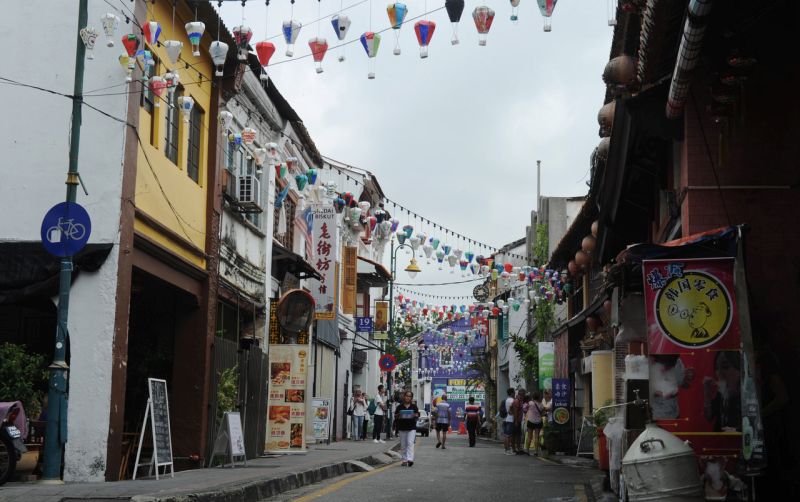
Yew is introducing a micro-housing concept in George Town to bring down rental prices within the world heritage site.
Micro-housing is a concept that divides the spaces within heritage shophouses into several rooms that can then be rent out to different tenants.
Lower rent is not enough to draw people back and this is where city planning comes in to make the inner city liveable again, he said.
“People need jobs, safety and a conducive environment to feel comfortable enough to come back and live in the city,” he said.
One way is to encourage a reputable international institution of higher learning to set up within the inner city.
“We already have a natural boundary in George Town so the whole inner city can be turned into a campus, without needing to physically demolish or build over any of the existing buildings,” he said.
He said the college or university can use the available shophouses as the schools for lecture halls and other existing shophouses can be converted into micro-housing units for students.
“Students can walk from one lecture hall to another within the city and they can stay nearby too,” he said.
There will be jobs too from supporting businesses that sprouts up in the inner city.
“To make it more conducive, even now, we are already looking at opening up more public spaces such as the backlanes and side lanes project,” he said.
Back lanes and side lanes are public spaces that can be turned into pocket parks, pedestrian paths and cycling lanes.
Yew said they need to plant more trees and make it greener in the city.
“We have always kept to the state’s cleaner, greener Penang concept and contrary to accusations by some groups, we want to plant more trees, not cut down trees,” he said.

The Green Agenda
When it comes to trees, the state has planted over 271,000 trees since 2008.
“Just last year, the city council planted 13,386 trees,” he said.
In the past few years, Yew has also been pushing through the state’s proposed bicycle lane for the whole island.
An avid cyclist himself, the mayor said part of the state’s green agenda is to encourage more people to cycle to work instead of driving.
To-date, the council has put into place 39.9km of dedicated cycling lanes all over the island.
“We have a network of 197km of shared and dedicated cycling lanes that starts from Tanjung Bungah down to George Town then up to Bayan Baru at Queensbay with shared lanes branching off around town,” he said.
Also in the green agenda is the Green Building Index (GBI) rating tool that many buildings in the state are certified with.
Penang is has the third highest number of GBI certified buildings in the country.
In fact, it will soon also be the state to introduce a GBI tool for heritage buildings.
In terms of waste management and recycling rate, Yew said the city council will soon be calling for tender on organic waste management to increase the recycling rate in the state.
This means organic waste such from hotels, restaurants, malls and factories will be collected and coverted into energy and fertilizer.
Tapping into eSports
Computer games and internet cafes have been demonized for so long that Yew thinks it is time to develop the rapidly growing eSports industry.
“ESports is now a growing market, it is a big industry and we can tap into this by encouraging our youths to enter this industry,” he said.
One of the ways to do this is to legalise cybercafes, but within a controlled environment so that these internet cafes are only for serious gaming, he said.
“We are considering introducing licensing for five such outlets with strict conditions that illegal gambling are not allowed and the cafes have to be bright and properly managed,” he said.
Yew said playing online computer games is no longer a waste of time but can be an avenue to encourage youths to go into coding, computer science or even become a professional gamer.
“Penang has a top gamer who has won third placing in international competitions so this is something we can encourage,” he said, but did not elaborate on the gamer.
He said youths who could not perform academically but has interest in gaming can become professional gamers or be involved in the gaming industry, either developing their own games, joining game publishers or even creating their own computers to be more game compatible.
In a 2017 global eSports market report by leading eSports company Newzoo, the eSports economy was expected to grow by US$696 million (RM2.786 billion) in 2017 with a year-on-year growth of 41.3 per cent.
The report also states that the eSports revenue is expected to hit US$1.5 billion (RM6 billion) by 2020.