



















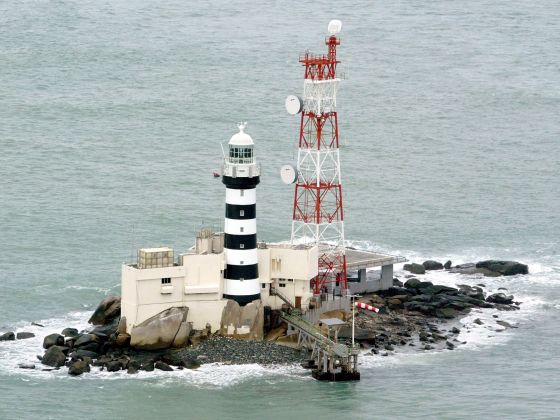


KUALA LUMPUR, Feb 5 — A former member of Malaysia’s 2008 Pulau Batu Puteh team to The Hague believes the country has a chance to get the International Court of Justice to review its bid to reclaim the island from Singapore.
But retired Rear Admiral Tan Sri K. Thanabalasingam also cautioned that Malaysia may face an uphill task if it was found that the documents on which Attorney-General Tan Sri Apandi Ali is hoping to reclaim the country’s sovereignty was found to have been declassified by the British government earlier, The New Straits Times reported on its website today.
“It may become a problem if [it turns out that the] documents were declassified much earlier, and we only found out about its contents recently, to work on it.
“We [could still] apply, but the ICJ will entertain us only if the new evidence is very pertinent for a revision and not any little points to be considered.
“The new evidence must be serious enough to affect the outcome of the earlier decision,” he was quoted saying.
Apandi recently declared there is new evidence to support Malaysia’s sovereignty over the island which Singapore calls Pedra Branca.
The documents were released to the public by the UK government between August last year and last month, Singaporean daily The Straits Times reported yesterday.
They include private letters of Singapore’s colonial authorities from 1958, a British Navy incident report from the same year, and an annotated map of naval operations from the 1960s.
Apandi said Malaysia filed the application at the ICJ, The Hague, on Thursday in the case between Malaysia and Singapore concerning the sovereignty of Pulau Batu Puteh.
The row over the ownership of Pulau Batu Puteh traces back to 1980, when Malaysia published a map indicating the island to be within the country’s territorial waters.
This led to a nearly three-decade dispute with Singapore that finally ended when the island was ruled to be Singaporean territory by the ICJ in 2008.
The ICJ had found that Singapore investigated shipwrecks within Pulau Batu Puteh’s territorial waters and granted or did not grant permission to Malaysian officials to survey the waters surrounding the island.
It further noted that Malaysia did not react to the flying of the Singapore ensign on the island and Singapore’s installation of military equipment on the island.
The ICJ had also judged that sovereignty over the Middle Rocks belonged to Malaysia and refrained from awarding South Ledge to either Malaysia or Singapore.


