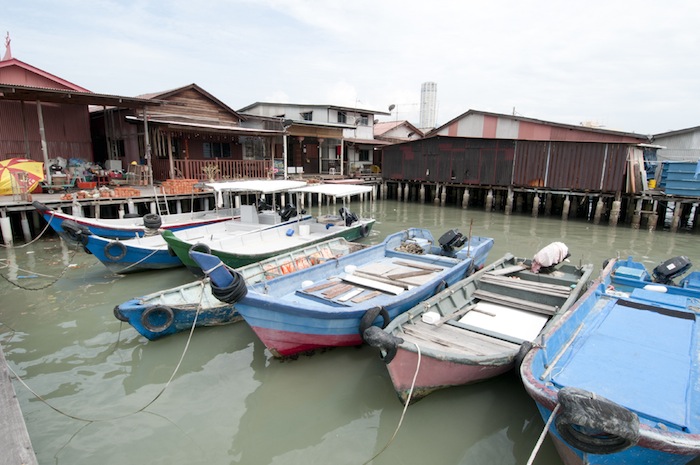


GEORGE TOWN, Aug 11 — Already established as the “Silicon Valley” of Malaysia, Penang is now broadening its horizons towards a softer side of the economy: the services sector.
And while manufacturing investments remain a traditional core for the state, a recent blip has moved the state to shift some of its focus towards attracting sunrise industries such as high-end business process outsourcing (BPO) that it hopes will bring in talent and high value transactions
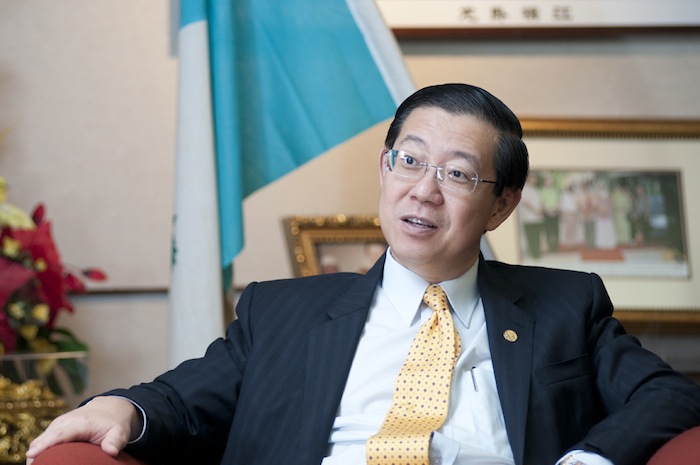
“We are putting more effort into the services sector such as BPOs as these are service-oriented, value-added, talent intensive and they perform billions of dollars worth of transactions each day,” Penang Chief Minister Lim Guan Eng said in an interview with The Malay Mail Online recently.
BPOs refer to the outsourcing of business functions by corporations and multinationals that covers a wide variety of services from knowledge-based, information technology-based to back office functions such as human resource, call centres and service centres.
Largely powered by the manufacturing sector, the state last year experienced a drop in foreign direct investment (FDI), declining to RM2.47 billion from RM9.11 billion the year before and RM12.24 billion in 2010, according to the Malaysian Investment Development Authority (MIDA).
Taking this as a good opportunity to concentrate on the second biggest sector, the services sector that includes BPOs and the tourism industry, Lim said the growth here more than made up for the fall in investments on the manufacturing side.
To this end, Lim is leveraging on the fact that the state was ranked as one of the top 31 destinations for BPO activities by international audit and business research firm, KPMG, back in 2009.
The state has also set aside a portion of a 100-acre land in Bayan Lepas to be turned into a BPO hub.
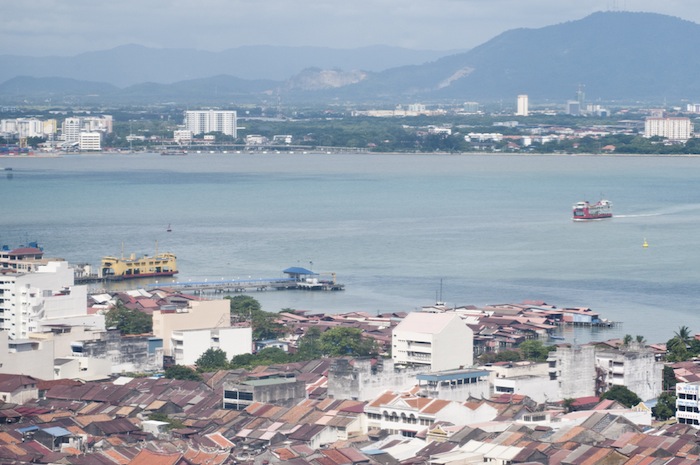
“We want to get in BPO companies like Citigroup and these companies provide high-income employment, which is what we want,” he said, adding that these are the companies that will educate and train the workforce here to be more knowledge-intensive instead of labour-intensive.
This will add value to the state, not only in making it more liveable but also by creating a skilled workforce that will attract more high-technology companies.
Beyond BPOs, Penang is also looking at another mainstay, tourism.
“We should also look at our tourism sector, it is booming and growing as our hotel rooms are always fully booked,” he said.
George Town was inducted as a Unesco World Heritage site back in 2008, spurring a rejuvenation of the heritage zone in the last five years by the private sector.
According to Tourism Ministry figures, based on the number hotel guests, Penang continues to rank third in the country after Kuala Lumpur and Pahang with an average of six million guests each year.
“Room rates have increased by 25 per cent and despite the increase, room occupancy is still high,” Lim said.
The Malaysian Association of Hotels Penang Chapter recently announced that it expected to see a four per cent growth in occupancy rate this year to reach 70 per cent as compared to 66 per cent last year.
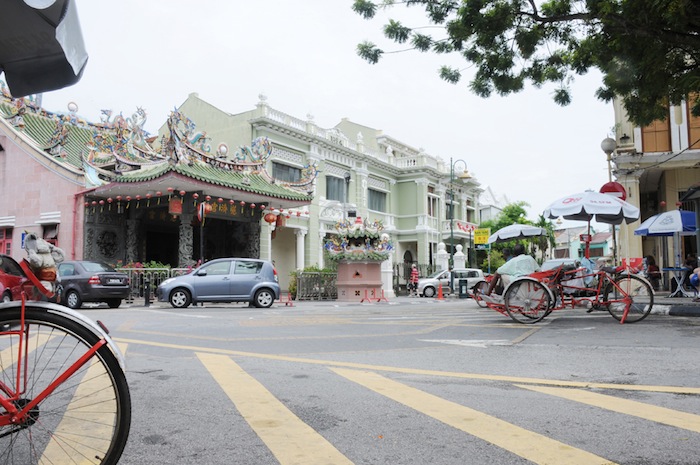
According to Lim, George Town was now vastly different from 2008, having been rejuvenated with myriad economic activities due to its heritage status.
He also pointed out that the state is getting more local investments and if judging from the uptake of the Penang Science Park on the mainland, Penang is actually doing quite well.
“The Penang Science Park is almost full with companies taking up most of the lots there and we have more plans in the pipeline to further develop this,” he said.
Lim also used these examples to dispute the negative image painted by MIDA’s recorded fall in Penang’s FDI, saying that it failed to take into account other investment inflows, such as that coming from BPO companies or the services sector.
And despite the decreasing investment figures captured by MIDA, Lim said Penang continues to enjoy full employment.
“There were no retrenchments at all, the slowdown may result in a reduction in overtime but people are not losing their jobs,” he said.
In fact, he said there is a severe shortage of workers in all sectors, which was why many companies are bringing in foreign workers.
Unemployment in Penang hovers around 1.5 per cent versus the national average of 3 per cent.
This is the second term Lim’s Pakatan Rakyat (PR) government is running the state, having won power in 2008 on the promise of turning Penang into an international city.
Now, Lim said this term is the time for PR to prove its mettle in turning this promise into reality by focusing on its economy and liveability as a whole.
“We are still very far behind Singapore and I admit we do make mistakes but we are doing all we can to be better and we believe we can be the best one day,” he said.