


KUALA LUMPUR, April 2 — As mango season begins across Malaysia, one much‑loved fruit returns to the spotlight: the Harumanis, known for its fragrance and signature sweetness.
Unique to Perlis, the Harumanis stands apart from ordinary mangoes with its smooth, buttery texture and rich aroma. Typically available from April to June, this short‑season fruit has become one of the country’s most anticipated harvests.
Though well known to some, many Malaysians have yet to discover what makes Harumanis special. Malay Mail takes a closer look at its origins, flavour, and growing conditions — and why now is the time when it tastes best.
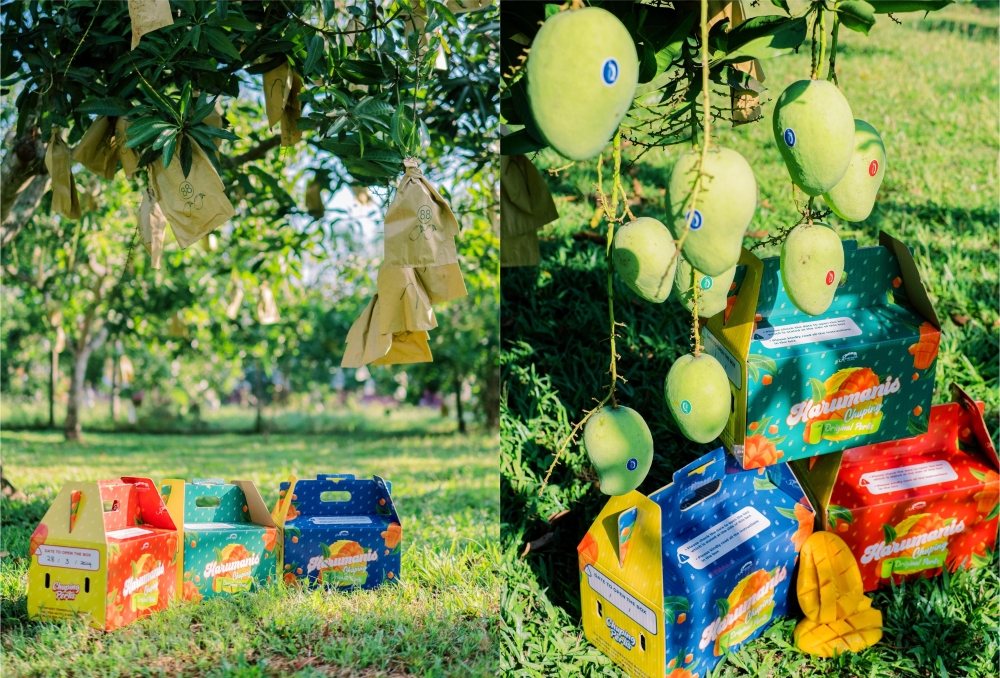
From name to taste: A signature experience
Its name says it all — harum (fragrant) and manis (sweet) — and those who have tasted it agree that it lives up to that description.
The director of ‘A Harumanis Chuping’, a mango estate specialising in premium Harumanis, who asked to be identified as A. Muz, described the taste as very sweet with a slight creamy and buttery element.
“The flesh is fine and almost fibreless, making it easy and enjoyable to eat. Because of these qualities, Harumanis is often considered one of the most exclusive mangoes in Malaysia,” he added.
Content creator Abdul Qayyum Halid, 30, has become an enthusiast of Harumanis who eagerly awaits its season.
He highlighted its aroma, adding, “Its flavor is very similar to its scent.”
“However, it also depends on the ripeness of the fruit,” he told Malay Mail.
The aroma also stands out for 34‑year‑old foodie Muhammad Roshede Basri, who usually buys Harumanis mangoes in bulk.
“The sweetness feels richer and more ‘premium’ than regular mangoes, without being too sharp,” he said.
A mango shaped by Perlis
Perlis has long earned its reputation as the true home of Harumanis mangoes, particularly in Chuping. Muz explained that the fruit thrives thanks to the region’s distinctive conditions — hot days, cooler nights, low rainfall, and well‑draining soil.
Perlis regularly experiences temperatures of up to 40.1°C and Level 2 heatwaves, with highs ranging from 37°C to 40°C.
“These conditions create ‘natural stress’ for Harumanis trees, which enhances sugar content and aroma,” he added.
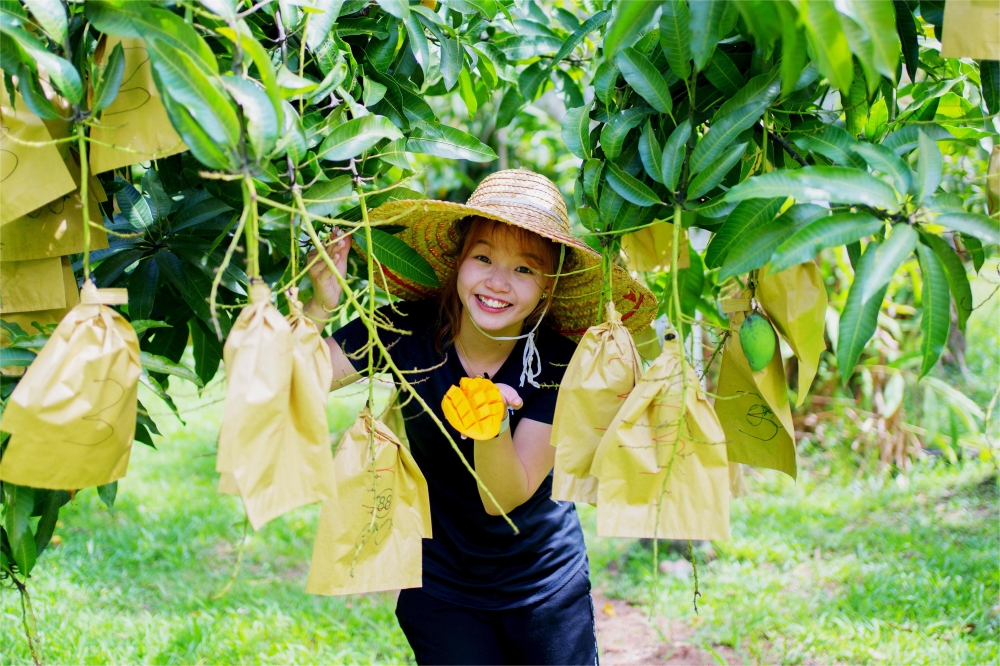
Soil type also plays an important role, he said. Northern Perlis has sandy soil that drains well and produces top‑quality Harumanis. The southern region contains clay‑rich soil that retains moisture longer, slightly affecting the fruit’s sweetness and aroma.
“The combination of climate and soil makes Perlis Harumanis very special,” he added.
He also noted that for Perlis Harumanis, sugar levels have been recorded up to BRIX 25 — a measure indicating very high sweetness.
Cost and seasonal availability
According to Muz, the price of Harumanis depends on grade, fruit size, and skin condition. At ‘A Harumanis Chuping’, they are categorised into three levels:
- Exclusive Grade: Minimal skin blemishes (1–10%), 5–6 fruits per 3kg box — RM260
- Premium Grade: Slightly less visible defects (11–15%), 5–8 fruits — RM240
- Grade A: Noticeable blemishes (16–40%), 5–9 fruits — RM185
The fruits are distributed widely across Peninsular Malaysia through supermarkets, fruit retailers, and licensed online sellers. Muz advised consumers to remain alert to fraudulent social‑media accounts that have surfaced over the years imitating legitimate Harumanis sellers.
Why now is the time to savour
Timing is everything for Harumanis. As the season peaks, the fruit arrives at its best. Miss this window, and you’ll have to wait until next year for another taste.
Once purchased, the mangoes usually take several days to ripen and should be eaten soon after, as their quality declines quickly once fully ripe.
Harumanis vs Musang King: Distinctive aromas and unique flavours
As a seasonal fruit available only for a limited time, Harumanis is often mentioned alongside Musang King durian. Both are seen as premium Malaysian fruits but differ distinctly in aroma and texture — Harumanis being fragrant and creamy with smooth, nearly fibre‑free flesh, while Musang King is known for its strong scent and thick, custard‑like texture.
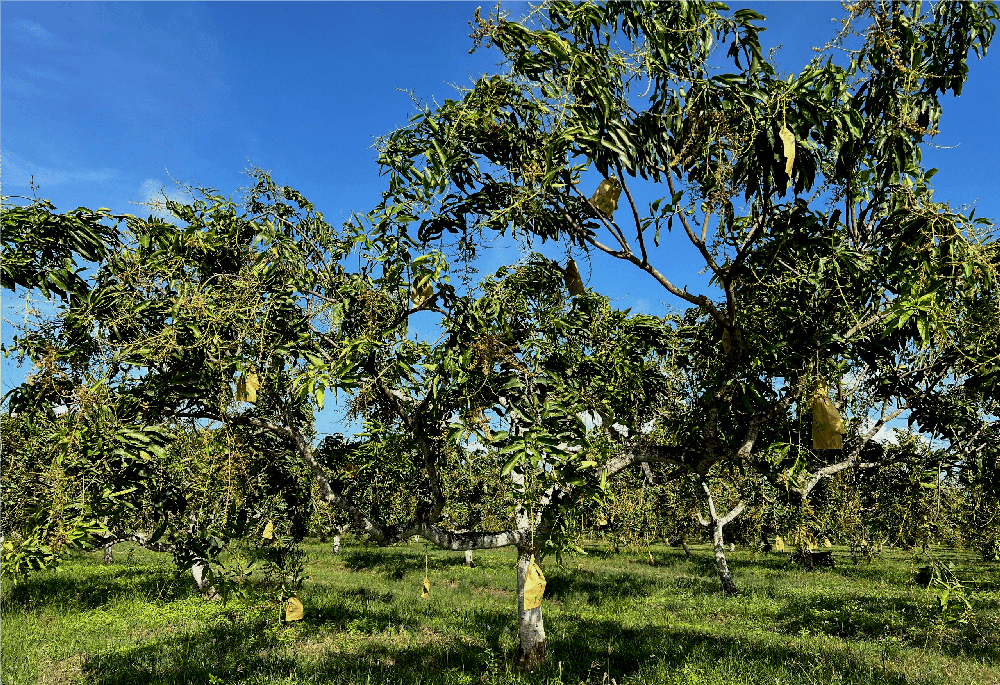
A Malaysian fruit staple
Muz told Malay Mail that, though the Harumanis season typically starts in April and ends by June, his team has been working on ways to extend it.
“We start as early as January by implementing early pollination strategies, so harvests can be scheduled according to our plan,” he said.
This allows more people to enjoy the flavours of Perlis Harumanis for a longer period than before.
Over time, Harumanis has grown beyond its agricultural roots to become a symbol of seasonal tradition.
Each bite captures not just sweetness, but also the story of its origin — the soils of Perlis and the farmers who cultivate them.
As the short season unfolds, it becomes a reminder that the finest things are often temporary — but worth waiting for.


