


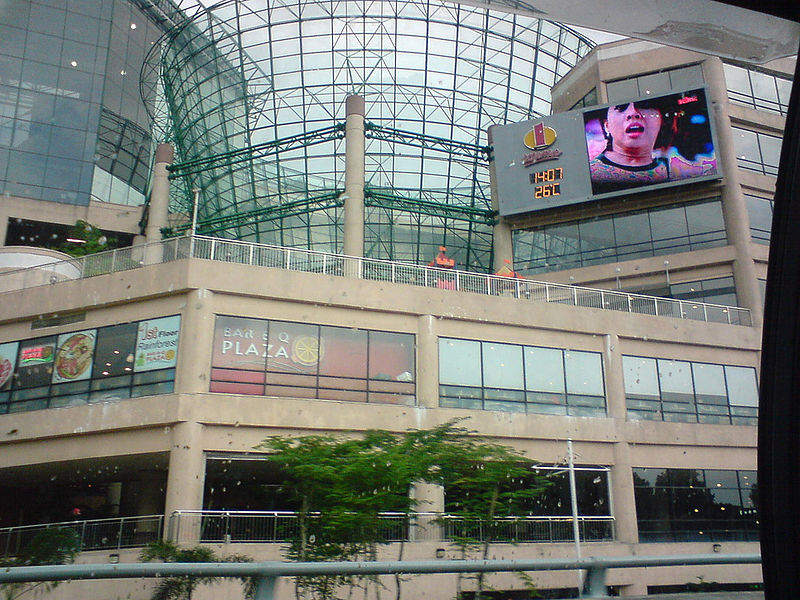


GEORGE TOWN, July 27 — Lured by the prospect of earning lucrative annual profits of up to RM200 million in recurring returns on investment, developers are shifting their focus from building houses to shopping malls, industry experts have said.
A slowdown on residential property development is also likely for the next five years, industry observers say, as more builders hop onto the mall bandwagon to cash in on the growing trend of these shopping arcades become the weekend lifestyle destination for Malaysians and tourists alike.
“It is a worldwide trend that more families and people are spending their weekends at shopping malls, so if you have a well-developed, well-managed and well-designed mall in a strategic location, you are sure to get good returns from it,” said Michael Geh, a committee member in the local branch of the International Real Estate Federation (Fiabci), an umbrella body for over 100 national associations of professional property agents in 60 countries.
According to the realtor, a developer need only invest about RM300 million in a good shopping mall to earn an annual profit of RM100 million.
In contrast, the profit margin is only 20 per cent for developers who delve in residential property development, Geh said, adding that they typically will need to make RM2 billion in sales just to get a profit of RM100 million.
Malaysia Shopping Malls Association president Chan Hoi Choy predicted that another 100 malls in the country will open within the next 10 years, adding to the large retail space already in the market.
“In the past decade, 100 shopping malls had opened in Malaysia, so based on historical data it is possible that a supply of another 100 malls will come onboard in the next decade,” he told The Malay Mail Online in a recent email interview.
Southeast Asia’s third-largest economy has the distinction of being home to two of the world’s top 10 largest malls based on gross leasable area, according to a 2012 list by Emporis, a major building provider with a database covering 190 countries worldwide.
The 1 Utama shopping mall in Petaling Jaya with 465,000 square metres (sq-m) of leasable space came in fifth behind two malls in China and one in the Philippines, while the 420,000sq-m Mid Valley Megamall in Kuala Lumpur ranked eighth.
Chan foresees a robust growth for the shopping mall industry with big-name players like SP Setia and Mah Sing entering the field that has long been dominated by developers like the Sunway Group and IGB, which began its venture there in the late 1990s.
“More malls will be opened particularly in under-served areas and we would also see more regeneration exercises being carried out on existing malls especially in some areas where some of the malls are 20 years old.”
Chan, who is also the chief executive of Sunway Pyramid and the Sunway Group of Shopping Malls, added that urbanisation will be an important catalyst in the growth of malls because consumption in Malaysia is still largely domestic driven.
“The growth in our tourism industry will also improve yield as the tourists’ propensity to spend is three to four times higher than locals,” he said.
However, Chan cautioned that market over-saturation is possible.
“Generally oversupply situation exists in Kuala Lumpur, Selangor, Penang and Johor Baru but there remains under-served areas in various parts of the country like the East Coast and east Malaysia,” he said.
Although malls are attractive recurring income vehicles, they are also highly capital intensive investments involving hundreds of millions.
Chan advised developers to conduct proper feasibility studies before jumping onto the bandwagon.
Real Estate and Housing Developers Association Malaysia Penang branch chairman Datuk Jerry Chan agreed that the future is bright for developers in the mall industry, provided they fulfil the conditions of a good mix of tenants, good management and a different concept to draw traffic.
“Shopping malls are a better investment compared to office space as the rate for office space is between RM2 and RM4 per square feet while for retail space, it can go up to RM40 per square feet,” he said.


