


BANGKOK, Oct 12 — Thai officials have found a nursing home where residents could be confined under metal bars fitted over their beds, in a scandal that is shining a light on how South-east Asia cares for its fast-growing older population.
Sothornchai Nursing Home in Kanchanaburi, western Thailand, came under scrutiny after a 63-year-old woman told a television programme she was held there for more than two years against her will, according to local and regional media reports.
Public Health Minister Pattana Promphat instructed the Department of Health Service Support (DHSS) to take immediate legal action if violations were found, the department said on its official Facebook page on October 6.
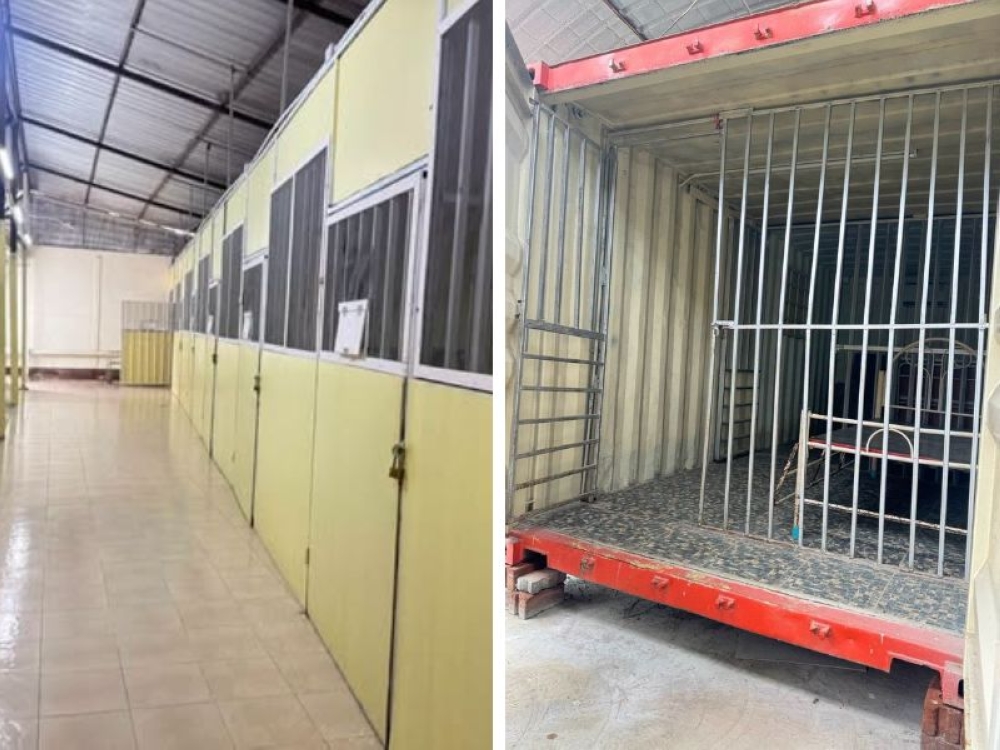
DHSS director-general Dr Phuwadet Surakot, who led the inspection, said officials found a room with iron bars and a lock on the outside, razor wire around the service area, and beds fitted with extra metal bars that could be closed over residents.
The home had 129 beds despite approval for only 50, and its service area had grown from the approved 1,600 square metres to 4,641 square metres, according to the DHSS.
Some residents did not fall within the categories the home was licensed to care for, including psychiatric patients taking medication and patients recovering from drug addiction, and their records held no medical certificates documenting their diagnoses, the department said.
Inspectors also reported no wastewater treatment system, cracked bathroom floors and insecticides stored alongside food ingredients, according to the DHSS.
The department said it would investigate the admission of psychiatric patients under the Health Establishment Act 2016 and consider suspending or revoking the home’s licence.
It revoked the licence on October 7, Nation Thailand reported.
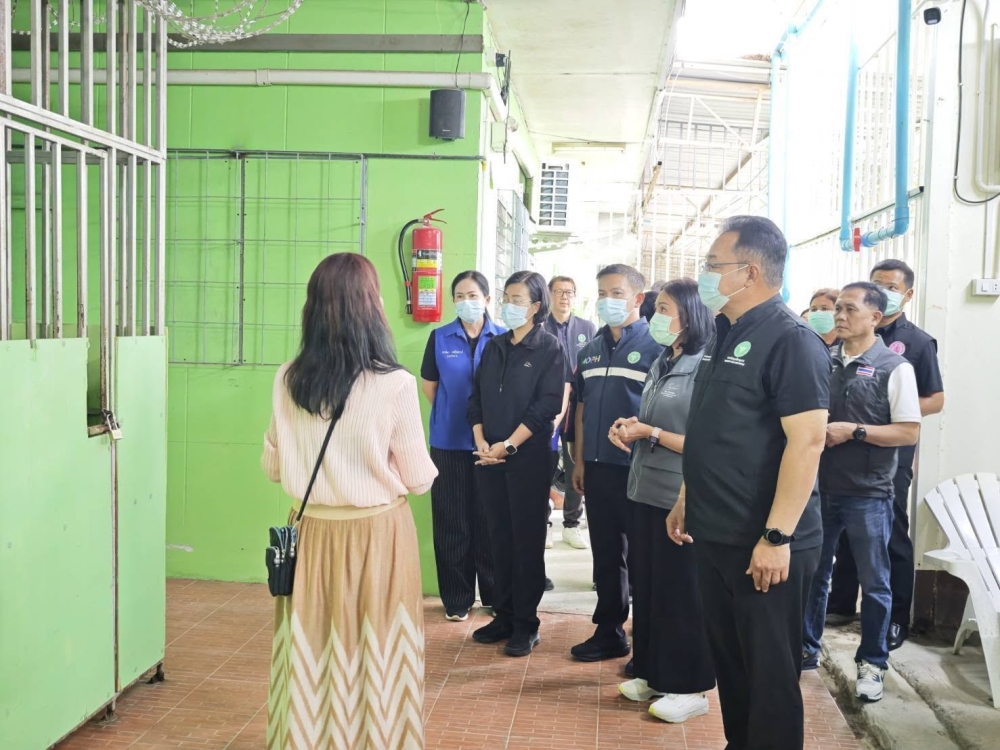
The owner defended the bed cages as a way to stop confused residents from falling, telling reporters on October 7 that they were for the residents’ protection, according to Thai media.
She later described the cages as an innovation in the care sector, seemingly unmoved by public anger over images of frail residents inside them.
The owner’s son told a Thai television programme on October 6 that he designed the cages himself as a safety measure after learning from incidents involving patients, Thai news outlet Khaosod English reported.
He said he was prepared to take responsibility for shortcomings in assessing patients and reviewing their medical records, and acknowledged that the cages’ design and appearance also mattered.
Thailand’s Department of Mental Health rejected the claim that the cages were standard psychiatric care, Nation Thailand reported.
Thailand has since ordered checks on about 1,200 registered care centres within two months.
The scandal strikes a nerve in South-east Asia because Thailand is the second-fastest ageing country in the region after Singapore, Hong Kong newspaper South China Morning Post (SCMP) reported.
Thirty per cent of Thais are expected to be aged 60 and above by 2035, according to the World Bank, although Thai authorities say that point could come sooner, the SCMP said.
“We have the personnel, but we don’t have the budget,” Thai Opposition MP and palliative care expert Ekkapop Sittiwantana was quoted as saying.
He said no Thai government has dared to fund long-term care through taxes or a dedicated fund for fear of losing votes, leaving families to carry the burden.
The pressure extends well beyond Thailand, with the UN Economic and Social Commission for Asia and the Pacific estimating that 14 per cent of people in Asia and the Pacific were aged 60 or above in 2022, and projecting that the share will reach 26 per cent by 2050.
Singapore has already become a “super-aged” society, with 21.4 per cent of citizens aged 65 and above, according to the National Population and Talent Division’s Population in Brief 2026 report.
Malaysia is following the same path, with the Department of Statistics Malaysia estimating that 2.9 million people, or 8.4 per cent of the population, were aged 65 and above in 2026.
Women, Family and Community Development Minister Datuk Seri Nancy Shukri said on October 4 that Malaysia is expected to become an aged nation by 2036, when people aged 60 and above are projected to make up 15 per cent of the population.
Nancy said her ministry is drawing up a Strategic Framework and Care Action Plan 2026–2030 to set professional caregiving standards.
The Thai case shows what can happen when demand for care outgrows regulated capacity, a test that governments across the region are now facing.


