















SARIKEI, July 22 — When Sarawak was still in its early years after the formation of Malaysia and rural facilities were lacking, a 20-year-old Melanau youth was willing to leave his hometown in Matu to teach at a small school in the interior of Ulu Sungai Sarikei, armed with the determination to fulfil his mother’s dream and the belief that education could change lives.
The journey that began in 1965 did not just bring Nawawi Abdul Hamid to a school with mostly Iban students, but also shaped his nearly four decades of dedication as an educator that witnessed the changing face of rural education in line with Sarawak’s development.
Ahead of Sarawak Day on July 22, Nawawi, 81, recalled the days when young teachers had to wade through rivers, walk for hours and serve in poverty to ensure that children in the interior had the opportunity to gain knowledge.
“Since I was young, my mother always encouraged me to become a teacher. She once said, ‘Don’t become a police officer, you’ll get killed later. It’s better to become a teacher’. Since then, I have cultivated the ambition to become a teacher,” he told Bernama.
After completing Form Three at a private secondary school in Sibu, Nawawi took various jobs, including as a general worker at the Abang Ali Government Primary School (now Sekolah Kebangsaan) before working in a government department.
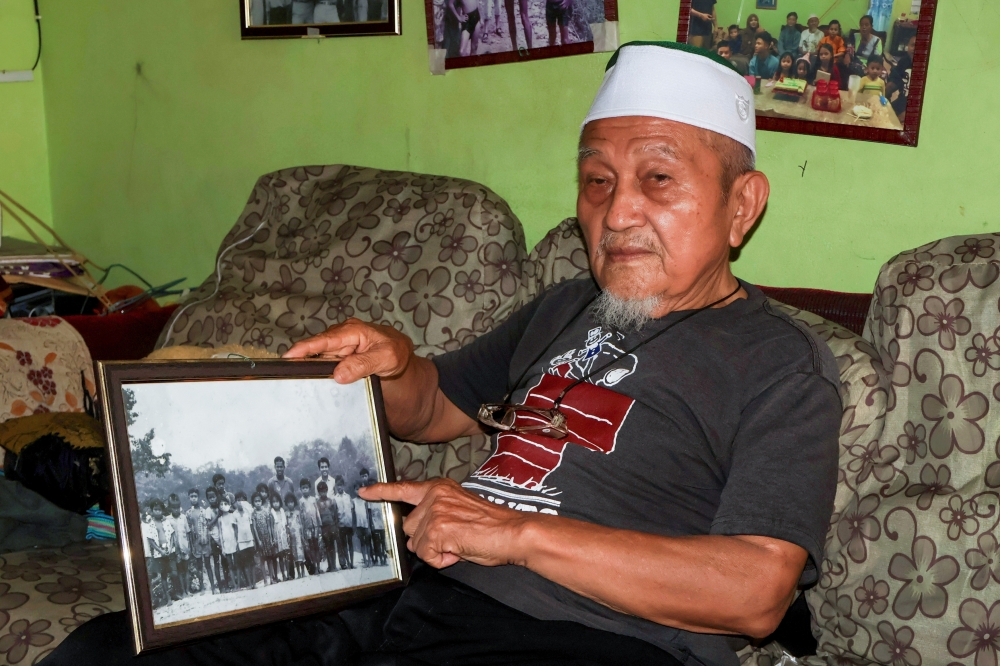
The opportunity to change the course of my life came when an acquaintance, Aini Dhoby, the older brother of Sarawak independence fighter Rosli Dhoby, informed me that there was a vacancy for a teaching position at a primary school in Sarikei and offered to help me get it.
“I immediately agreed. But before that, Aini had said, ‘If you can become a teacher later, don’t mess around’. I still remember that message to this day,” he said with a smile.
His first school was Assun School in Sungai Munsuh, Ulu Sarikei. The school only had three classrooms that housed students in years one, three and four and a teacher’s house.
At that time, only about 30 students from nearby longhouses attended school there with each class having about 10 students. Nawawi taught Malay, English and Mathematics.
After about six months of service, he accepted an offer to attend a certificate-level teaching course at Rajang Teachers College in Bintangor from 1967 to 1968.
Upon completing his training, he was placed at a school in Kampung Penipah, Pulau Bruit, Daro in 1969 before serving at Orang Kaya Sergunim Government Primary School, Jemoreng, Matu from 1970 to 1974.
During almost four decades as an educator, he also served at SK Orang Kaya Selair, Sekaan; SK Bukit Kinyau, Tanjung Manis; SK Abang Haji Matahir, Sarikei; SK Nanga Kelangas and SK Engkamop in Julau before retiring in 2004.
Recalling the challenges of teaching in the countryside in the early years, Nawawi said that travelling from school to the town to collect salaries and buy necessities was not easy.
“At that time, there were not many roads. We had to walk and take boats. The one-way journey took between two and three hours.
“Once a month, we would go to the town to collect salaries and buy necessities. We also encountered communist members on the way. Thankfully, they did not bother us as long as we did not threaten their safety,” he said.
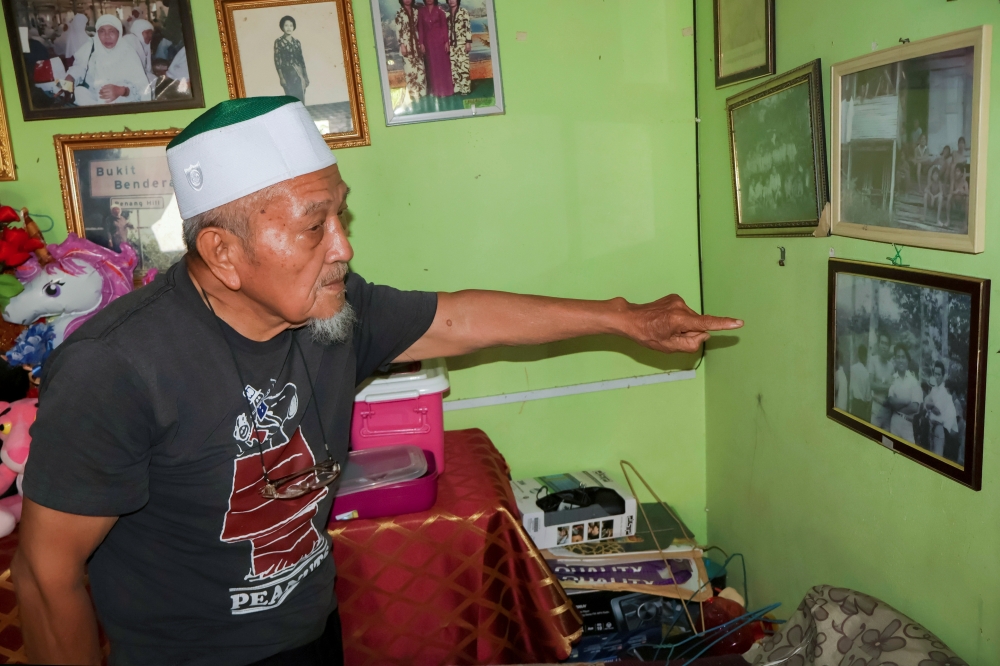
He said that despite the security threats at the time, the spirit of teachers and parents to ensure that their children received an education never waned.
“They were willing to send their children to school even though they lived far away in longhouses and lived a simple life. They believe that education can change the future of children,” he said.
According to Nawawi, big changes began to be felt when the government built more roads to rural areas in addition to providing boarding facilities in rural schools.
“When I was teaching at SK Nanga Kelangas, many parents who lived far away requested that their children be placed in boarding houses because the government provided food, drink and learning facilities.
“Some parents even built huts near the school so that their children would not drop out. They only returned to the longhouse on weekends,” he said.
He said the rapid development enjoyed by Sarawak today has changed the rural education landscape as most schools are now connected to the road network and travel to the town has become much easier than in the past when many depended on river routes.
For Nawawi, this progress has been one of the most meaningful achievements in the more than six decades Sarawak has been building its future.
Now at the age of 81, he said the greatest satisfaction as a teacher is not rank or reward, but rather seeing his former students succeed in furthering their studies and building careers in various fields.
“When I meet them now, some have become government officials, teachers and professionals. That is the true happiness of a teacher,” he said. — Bernama