





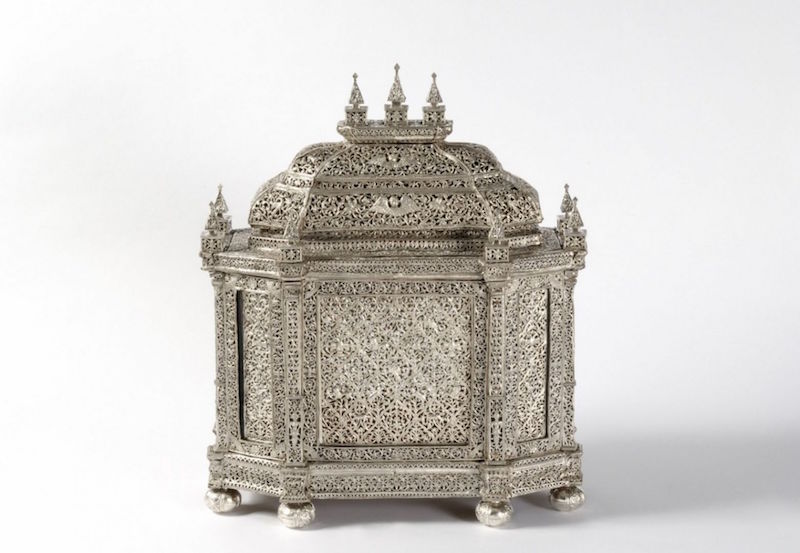


SINGAPORE, May 27 — Following an extensive revamp last year, the Asian Civilisations Museum (ACM) has chosen to portray how Christianity was interpreted by artists around the world across 800 years, for its inaugural special exhibition titled Christianity in Asia: Sacred Art and Visual Splendour (until September 11).
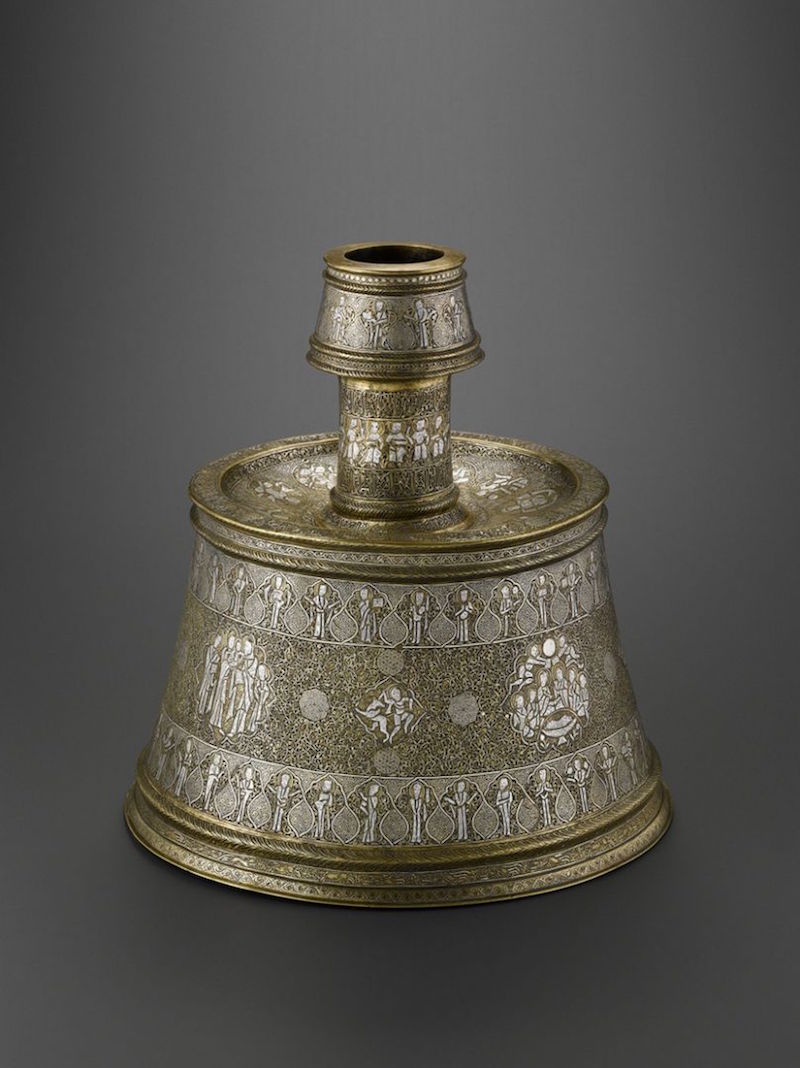
What is most interesting about this exhibition is that many of the artists behind these works were not Christians. In fact, many belonged to faiths such as Hinduism, Islam, Buddhism, Confucianism and so on, or were from countries that were predominantly non-Christian, such as Syria, India and Iran, noted Clement Onn, curator of the exhibition. Describing it as “a celebration of artistic innovation, experimentation and the diversity which emerges from cross-cultural influences”, Onn said an example would be an inlaid metal candlestick made in Syria between 1248 and 1249, which was decorated with both Christian scenes and medieval Islamic art.
Onn said Asian art had absorbed influences from many different cultures, including the Middle East, India, China, Japan, the Philippines and South-east Asia itself.
“It often blends European Christian subjects with local motifs and patterns, or is made in distinctive local materials. Many of the artists who created Christian images belonged to other faiths, but, nonetheless, made powerful and beautiful images too,” he added.
This, he said, “demonstrates the curiosity and openness evident throughout Asia”, especially in the 16th and 17th centuries.
Asked why the theme was chosen for its first exhibition since the revamp, Dr Alan Chong, director of ACM said: “Christianity in Asia links all the parts of the continents, and indeed all of its cultures.”
He added: “ACM has recently done exhibitions on Buddhist, Islamic and Hindu art, so this is an innovative exploration of a religion which has played a role in Asian culture since the 7th century.”
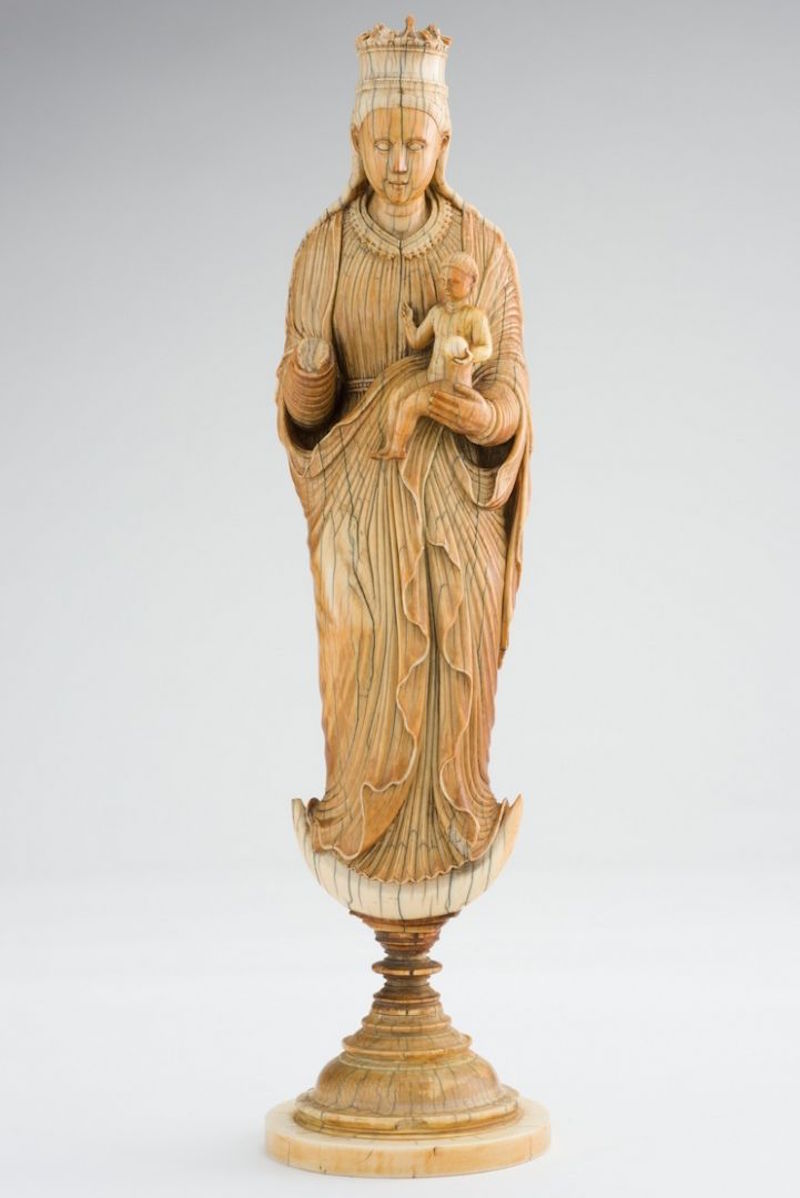
Still, one of the key challenges in this exhibition, revealed Onn, was the coordination of loans across the different countries as well as working with several institutions. On display are over 150 exhibits from 20 acclaimed institutions and private collections, including the Musee du Louvre, the Bibliotheque Nationale de France, and Lisbon’s National Museum of Ancient Art across six countries (Singapore, France, Hong Kong and the Philippines among them). Some items from ACM’s collection, which have never been exhibited before, will also be shown. This includes the largest ivory sculpture of the Virgin made in 16th century Sri Lanka.
The exhibition was made possible because of the strong relationships between ACM and its many international partners, he pointed out. “Many of these lending institutions understand that this is the first exhibition of its kind (covering the history and spread of Christian art in Asia), and were very generous to lend us their works of art and support.”
Viewers can see pieces ranging from the 13th to the 20th century, but the showcase focuses specially on the period from 16th to 18th century, “where significant trade and missions occurred”.
This is why some artworks, he added, also demonstrate the knowledge exchange between Asia and the West in terms of art techniques such as ivory carving, which were then unknown in the West but grew in popularity after, and the use of rare materials found in Asia, including rock crystal, ivory, lacquer, mother-of-pearl, tortoiseshell and precious stones.
Onn hopes visitors will go home from the exhibition with a larger perspective.
“We hope that visitors will not only be exposed to the wide array of Asian Christian art, recognised by its intrinsic quality, originality and aesthetic merit, but also learn that common threads such as religion can also bring people of various cultures and from different countries together,” he said. “It is definitely an exhibition for everyone.” — TODAY


