


- Fuel crisis bites farmers — Diesel prices have surged over 55 per cent since February, forcing Myanmar farmers to queue for days or pay black market rates three times higher just to bring in their harvest.
- Food security at risk — The UN warns that soaring fuel and fertiliser costs could double production expenses, threatening the upcoming monsoon season in a country where a quarter of the population already goes hungry.
- Government response falls short — QR-code rationing and work-from-home orders have done little to ease shortages, with long queues persisting despite official claims of a 50-day fuel stockpile.
NAYPYIDAW, March 26 — Win Zaw is among five of a Myanmar family who fan out on motorcycles most nights from their small village in the rice-growing Irrawaddy delta to queue at fuel depots that might yield a few jerry cans of diesel for his tractor.
“Some even sleep there overnight,” said the farmer, adding that lines of buyers on motorcycles and tractors formed as early as 3 am. “This is a total waste of manpower and time.”
Myanmar’s economy, battered by five years of civil war since a military coup in 2021, is reeling under a fresh blow from the Iran conflict, which has driven up global oil prices and made domestic supplies scarce.
The pump price of diesel in Myanmar stood at 3,800 kyat (RM7.22) per litre by mid-March, up from 2,450 kyat (RM4.66) in February.
Scarcity has forced farmers such as Moe Win to turn to the black market, despite an exorbitant rate of about 12,000 kyat a litre. But one that he is willing to pay to save his paddy crop.
“Occasionally, after queuing in town for two days, we’ve had instances where we could only buy five or six litres,” said the delta farmer.
“But if we don’t harvest the paddy in time, the crops will be destroyed, so we have to bear any cost.”
A spokesman for Myanmar’s ruling junta did not respond to telephone calls to seek comment, although its chief Min Aung Hlaing told a meeting this week it was working to resolve the fuel shortage problems, state media said on Wednesday.
World’s fifth hungriest country
Myanmar is the world’s fifth hungriest country, where 12.4 million, or a quarter of the population, struggle to find food, the United Nations’ World Food Programme says.
“Rising fertiliser costs and restricted fuel access for machinery threaten the upcoming cultivation season,” Michael Dunford, its Myanmar director, told Reuters. “Production costs are expected to double if instability continues.”
Farmers are preparing for the major monsoon paddy season after harvesting dry-season crops, he added.
Over the last three years, Iran has become Myanmar’s primary supplier of the urea used in fertiliser, with annual imports ranging between 400,000 tons and 600,000 tons, some of which the junta also uses to make explosives, Reuters has reported.
This month the WFP warned that global hunger levels could surge to an all-time record, pushing a further 45 million people into acute hunger, as U.S.-Israeli attacks on Iran since February 28 drive up costs of food, fuel and shipping.
In Myanmar, an immediate intervention is necessary to avert the almost certain risk of a drop in output and significant post-harvest losses, said Maximo Torero, the chief economist of the United Nations’ Food and Agriculture Organization.
“A poor harvest would reduce supply, driving prices even higher and putting basic staples out of reach for millions who have lost their jobs and livelihoods.”
‘Waging a war for fuel’
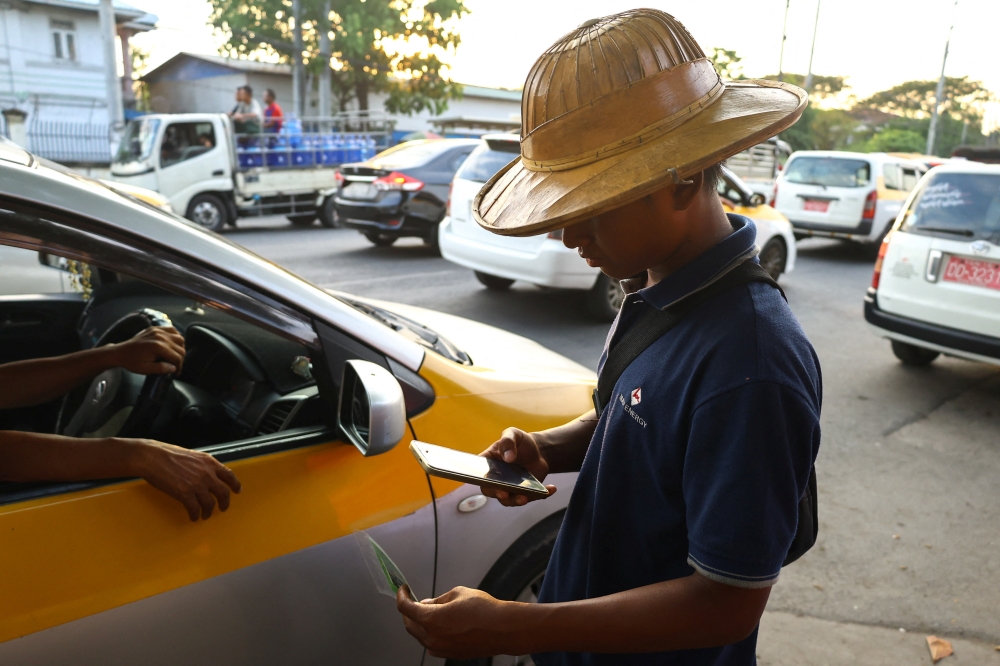
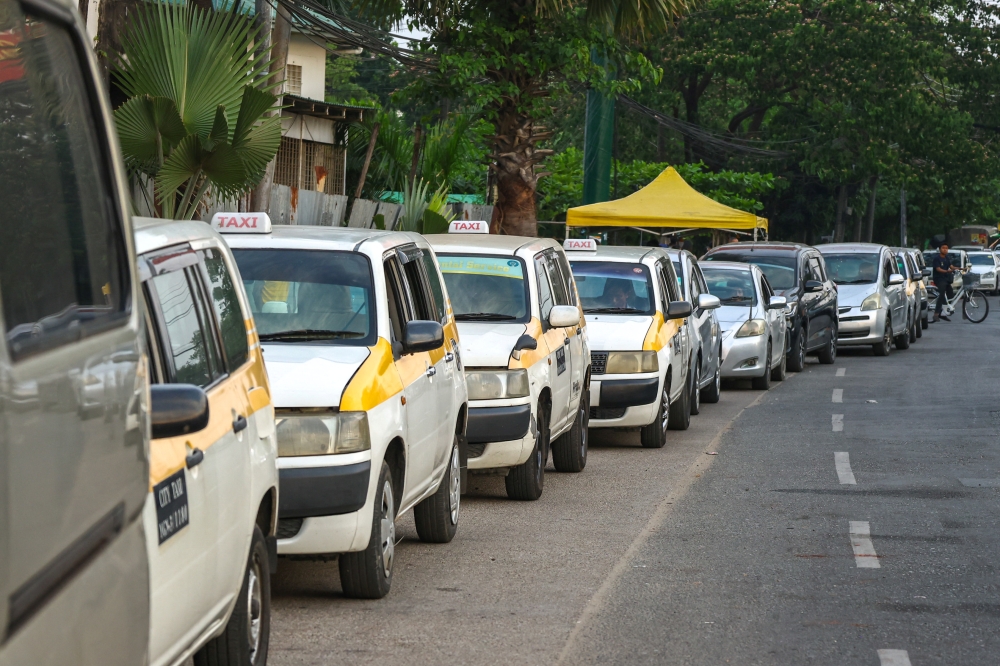
Anticipating a fuel shortage soon after the war broke out, Myanmar’s junta launched a sweeping rationing system for private vehicles early in March, featuring QR codes to deter multiple daily refills.
But the measure has led to massive congestion at gas stations, so that, despite hours of queuing, some get only a fraction of their needs.
Domestic airlines running low on jet fuel, large quantities of which Myanmar imported from Iran, have suspended routes and adopted strict limits on baggage, with ticket prices tripling on sectors still operational.
Myanmar depends on regional processing hubs of Middle East crude, such as Singapore and Malaysia, for the diesel imports crucial for its struggling economy and farm sector.
To reduce consumption, the junta has ordered state employees to work from home every Wednesday, while saying on Monday that a stockpile sufficient for 50 days of supply remains.
Still, three farmers in towns and villages across the nation said they were struggling to buy fuel ahead of a critical harvest window.
After relying on machinery for so long, it was impossible to immediately turn back to farm animals, they told Reuters.
“Nowadays, we are practically waging a war just to get some fuel,” added the Irrawaddy delta’s Win Zaw. — Reuters


