


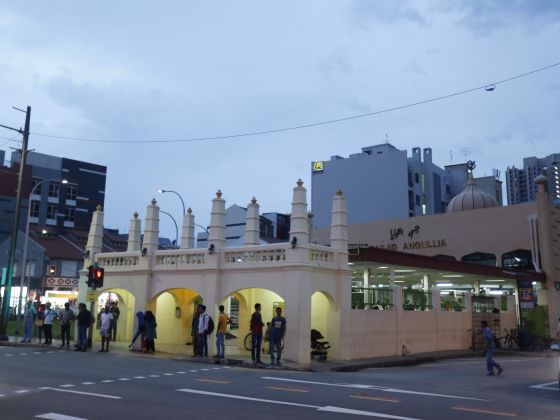


SINGAPORE, Jan 20 — The 27 Bangladeshi workers arrested for planning and spreading armed militancy abroad used to meet regularly in Angullia Mosque in Little India, according to Bangladeshi media reports.
The New Age newspaper, citing court documents and the Bangladeshi police, said the group met inside the mosque every Sunday where they distributed books and leaflets promoting militancy. They also used the mosque in Serangoon Road as a venue to recruit members and raise funds.
In a press release today (Jan 20), Singapore’s Home Affairs Ministry said that the group “took measures to avoid detection by the authorities” and “shared jihadi-related material discreetly among themselves” during their weekly meetings where they discussed armed militancy and recruitment efforts.
In a Facebook post, Home Affairs Minister K Shamugam wrote that the Bangladeshi group met “at a mosque on a regular basis”.
“I sometimes walk past this mosque,” he added without identifying the mosque.
One of the 27 radicals is currently in jail in Singapore for trying to leave the city-state illegally. The other 26 have been deported to Bangladesh following the group’s arrest between Nov 16 and Dec 1 last year.
Bangladeshi media reports said a court in Dhaka sent 14 of the 26 militants to jail on Dec 27 under the Anti-Terrorism Act. This came after police remanded the group for four days.
“They should be confined to jail until the investigation completes,” Mustafa Anwar, the investigation officer for the case, was quoted saying by The Daily Star newspaper on its website.
The reports made no mention of the other 12 militants who were similarly deported from Singapore.
The Bangladesh High Commission in Singapore, in comments to Channel Newsasia, confirmed that 14 of the militants have been sent to jail.
A spokesman for the High Commission added: “The concerned agencies of the Government of Bangladesh produced them before a court and the court placed them on a four-day remand. During the remand, they will be interrogated to find out about their alleged involvement.
“They will be dealt with in accordance with the law of the land and if found guilty, legal action will be taken against them.”
Speaking to reporters on the sidelines of a two-day symposium on inter-faith relations, the Mufti of Singapore, Dr Mohamed Fatris Bakaram, said it would be hard to identify radical elements in a mosque, given the “casual nature of friends that come together in between prayers”.
He added: “Threats like these are something you cannot totally avoid. But I’m surprised that the number is that big.” — TODAY


