


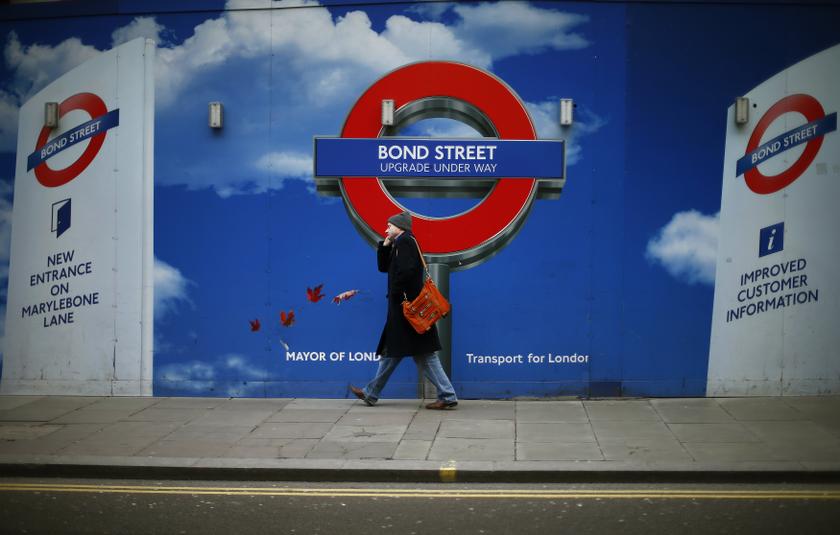


LONDON, Feb 5 — A two-day strike by London Underground employees over job cuts and closures began last night, threatening the capital with travel chaos.
Tube unions called the strike over Mayor Boris Johnson’s plans to close ticket offices and scrap more than 750 jobs, spurred by the introduction of Oyster travel cards that automatically open gates after being charged with credit. Labour leaders say that while less than 3 per cent of journeys now involve a visit to a booth, staffing stations is vital to guaranteeing public safety.
London Underground workers were instructed by their unions not to book on for shifts between 9pm last night and 8:59pm tomorrow. Transport for London, which oversees the Tube, said it was likely trains would be disrupted until the morning of Friday, February 7, and that though some trains may run, many stations will probably be shuttered.
Limited services should operate on 10 of 11 routes, with the Waterloo & City Line closed, TfL said. The Northern Line, the Tube’s busiest, will have services along its length every five minutes, though trains won’t stop at 18 of its 50 stations.
Trains on the Jubilee line will operate between Waterloo and Stratford every five minutes, protecting services to the financial district of Canary Wharf in East London. Central and Piccadilly Line trains, which cross the capital on an east-west axis, won’t stop in central London. Other routes, excluding the Victoria Line, will have a markedly lower frequency level.
Tube services that do run will start later than usual and finish early, from about 7am until 11pm, staffed by managers and employees electing not to strike, TfL said. Heathrow Express trains, the Docklands Light Railway and other surface rail services should operate as normal.
Meeting declined
Bob Crow, general secretary of the Rail, Maritime & Transport union, and Manuel Cortes, leader of the Transport Salaried Staffs’ Association, went to City Hall yesterday morning to seek face-to-face negotiations but were declined a meeting with the mayor, RMT spokesman Geoff Martin said by e- mail.
Johnson’s office said the mayor would engage in a dialogue only if the walkout were called off first.
Under Johnson’s plans, which also involve introduction of 24-hour services on some Underground lines at the weekend from 2015, ticket offices would be retained only at five central London Tube stations and at Heathrow airport. Unions are also concerned that a project examining the viability of driverless trains could lead to the elimination of many more posts.
Staff on platforms
TfL said November 21 that more staff will be based on platforms and concourses in the future, some equipped with tablet computers to help monitor and manage stations while on the move. It added that all stations will be manned while trains are running, though they’ll be reclassified as Gateway, Destination, Metro or Local to reflect staffing needs.
The RMT said December 3 that a combination of 24-hour running with the redeployment plan could create the “lethal nonsense” of drunks “piling into unstaffed stations controlled by a member of staff three stops down the line with an iPad.”
The union said January 10 that 77 per cent of members who took part in a ballot had voted to strike. A further two-day walkout is scheduled for the evening of February 11.
London’s subway network, dubbed the Underground in 1908, carries more than 1.2 billion people annually, with 57,000 passengers entering the city’s busiest station at Waterloo during the three-hour morning peak. The service employs about 19,000 people and has 270 stations, according to TfL. — Bloomberg


