


OCTOBER 21 — We spend millions educating young Malaysians to think critically, yet the moment one asks an uncomfortable question, we seem more interested in questioning the student than answering the question. What an extraordinary contradiction! Our universities proudly advertise critical thinking, intellectual freedom and independent judgment as essential graduate qualities. Yet when these qualities are demonstrated beyond the safety of classroom discussions, they suddenly become controversial. Have we been teaching our students to think, or merely training them to know when to keep their mouths shut?
The recent public reaction to a university student's question concerning fundraising to help former Prime Minister Datuk Seri Najib Razak pay a fine exposes something far more troubling than the question itself. It reveals how uncomfortable we have become with independent thinking, particularly when it challenges political loyalties, established beliefs or public sensitivities. Whether we agree with the student is beside the point. The real issue is whether Malaysia genuinely wants graduates who can think for themselves or simply individuals who have mastered the art of saying what others want to hear. If asking an uncomfortable question is enough to provoke public outrage, perhaps it is not the student's maturity that needs examining, but our own.
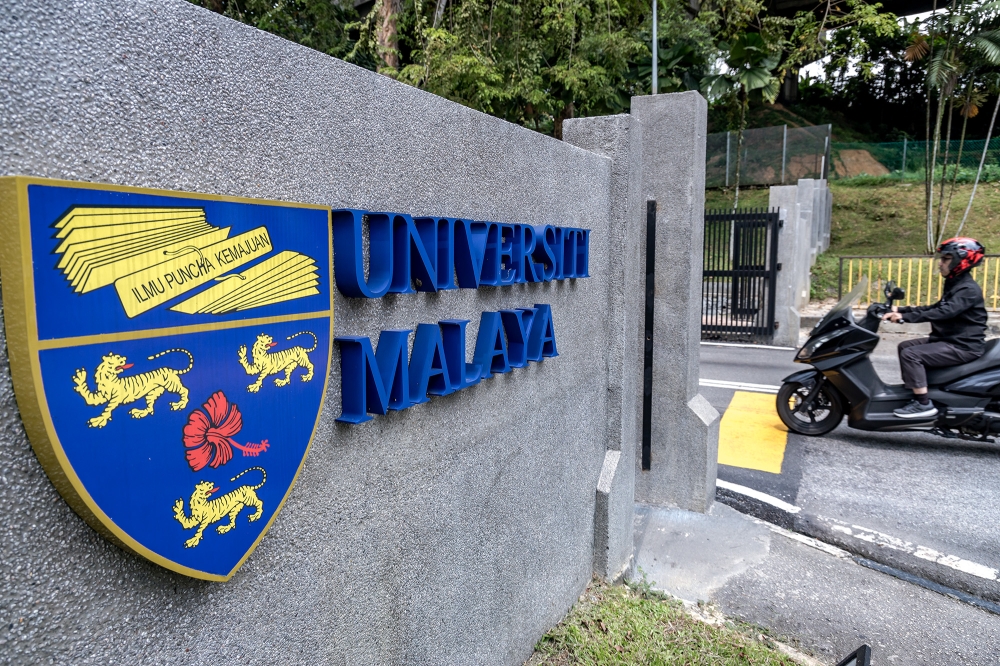
Walk into almost any Malaysian university and you will hear familiar promises. We want graduates who think critically, challenge assumptions, solve problems and demonstrate intellectual independence. These ambitions appear in university brochures, course outlines and national education policies. But how seriously do we practise what we preach? We praise students for asking questions in classrooms, yet become uncomfortable when those questions involve political figures, public institutions or sensitive decisions. Is critical thinking only acceptable when everyone agrees with the question? A university should not be a place where students learn which opinions are safe to express. It should be where they learn how to examine competing opinions intelligently.
One dangerous habit in public discussions is assuming that asking about an issue automatically means supporting or opposing it. A student questioning a fundraising initiative is not necessarily defending or condemning the person involved. The student may simply be seeking clarification, examining its implications or inviting discussion. Unfortunately, we are becoming increasingly quick to judge people's intentions rather than examine their arguments. Instead of asking whether a question is reasonable, we ask whose side the person is on. This habit discourages genuine discussion and encourages intellectual laziness. Of course, asking questions does not automatically make someone a critical thinker. Questions can be poorly framed, based on incorrect information or driven by personal bias. But that is precisely why education matters. Lecturers should help students examine evidence, question assumptions, recognise different perspectives and reconsider their conclusions. Silencing an imperfect question teaches very little. Examining it teaches considerably more.
The educational philosopher John Dewey argued that meaningful thinking requires examining beliefs through evidence and reflection. In simple terms, intelligent people do not merely defend what they believe. They are willing to ask themselves whether their beliefs could be wrong. Imagine if every university classroom encouraged students to ask three simple questions: What is the evidence? What am I assuming? Could there be another explanation? These questions would strengthen not only academic learning but also public discussions. Malaysia needs citizens who can question public spending, examine government policies, recognise misinformation and disagree without resorting to personal attacks. However, we cannot expect such citizens to emerge from an educational culture that rewards agreement more readily than independent judgment.
Perhaps we have been asking the wrong question. Instead of asking whether students are mature enough to raise controversial issues, perhaps we should ask whether our institutions and society are mature enough to respond to them. Disagreement is not automatically disrespect. Questioning authority is not necessarily rebellion. Defending someone's right to ask does not mean agreeing with their views. Responsible freedom requires accurate information, respectful discussion and a willingness to accept criticism. These standards should apply equally to students, academics, politicians and the public. Ultimately, the strength of a university should not be measured by how successfully it avoids controversy, but by how intelligently it handles disagreement.
Malaysia does not need graduates who merely know the correct answers to examination questions. It needs citizens who know which questions must be asked, even when those questions make others uncomfortable. If our universities produce graduates who are afraid to question, have we educated them to think, or merely trained them to obey?
* This is the personal opinion of the writer or publication and does not necessarily represent the views of Malay Mail.


