


SEPTEMBER 25 — When a semester ends, university campuses feel different. The hustle and bustle of the lecture halls and student clinics halt temporarily, and the familiar rush of assessments, meetings, and teaching schedules begins to ease. For lecturers, this transitional quiet period offers something that can easily be overlooked during a busy academic year: space.
A semester break does not have to be defined by how much work we manage to complete while students are away. Neither does it need to mean a complete withdrawal from academic life. Perhaps its real value lies somewhere in between, giving ourselves time to slow down, reflect and reconnect with the other parts of our lives.
Academic work demands sustainable mental attention. Lecturers move constantly between teaching, supervising students, managing assessments, conducting research, attending meetings and fulfilling administrative responsibilities. In clinical disciplines such as dentistry, this is combined with patient care and clinical supervision, where decisions often need to be made in real time.
During a busy semester, much of our attention naturally goes towards what needs to happen next: the next lecture, clinical session, assessment, meeting or deadline. When this becomes routine, it is easy to move from one responsibility to another without asking a simple question: Am I still doing this in the best way I can?
This is where reflection becomes important. Educational philosopher John Dewey in 1933 described reflective thought as the “active, persistent, and careful consideration” of what we believe or know and the reasons that support it. His work established reflection not simply as looking back at an experience, but as a deliberate process of thinking that can shape what we do next. This idea remains relevant to educators today. A scoping review by Dinham and colleagues examining reflective practices in the Malaysian and Australian education systems highlighted reflective thinking as an integral part of effective pedagogy and quality learning outcomes. Reflection, therefore, is not separate from teaching; it can be part of how educators continue to learn from their own practice.
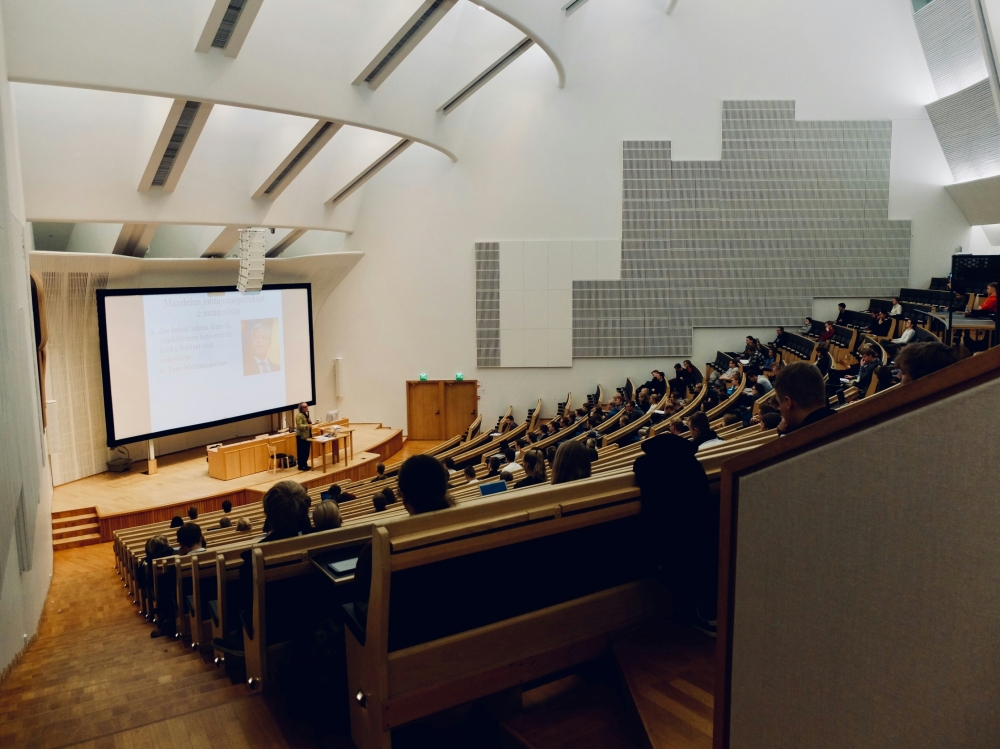
A quieter semester period creates room for the reflection. The reflection can be professional. For example, a lecturer may revisit a class that did not work as well as expected, rethink how a difficult concept could be taught differently, update teaching materials or explore something new in their field. A challenging interaction with a student may look different when considered again without the pressures of a busy teaching day. Without tomorrow’s lecture or assessment demanding immediate attention, we have more freedom to think creatively about how we teach.
For those of us working in healthcare education, this may be particularly important. Dentistry demands precision and concentration, but being a good clinician and educator requires more than technical competence. We need patience when a student struggles, empathy when a patient is anxious, and enough mental space to listen before responding. Clinical educators also need to recognise when students require guidance and when they need room to think independently.
These qualities are difficult to sustain when every available moment is treated as an opportunity to accomplish another task. A break can also remind lecturers that our identities extend beyond our academic titles. We may be clinicians, researchers and educators, but we are also parents, spouses, children, friends and members of our communities. Reconnecting with these roles does not make us less committed academics. On the contrary, experiences outside university can broaden the perspective we bring back into our classrooms and clinics.
There is also something valuable about allowing the mind to wander. Some ideas arrive when we deliberately search for them. Others appear unexpectedly during a family trip, a conversation with someone outside our field, an observation in the community or even while doing something completely unrelated to work. Stepping temporarily outside our professional routine can expose us to different questions and ways of looking at familiar problems.
For an educator, that curiosity matters. Teaching should evolve not only because curricula change, but because students, society and the way people learn continue to change as well.
Perhaps this is why a semester break should not be measured by either extreme how little we worked or how much we managed to accomplish.
Instead, it can be viewed as an opportunity to reset. For some lecturers, that may mean finally progressing with a research idea or reading something that has been sitting on the desk for months. For others, it may mean spending more time with family, travelling or simply restoring routines that became difficult during the semester. Most likely, it is a mixture of both.
There does not need to be a prescribed way to take a meaningful break. Rest does not mean losing professional momentum. It can allow us to return with renewed attention. Reflection does not mean dwelling on what went wrong; it allows us to consider what we might do differently. And spending time away from academic responsibilities does not diminish our commitment to students. Sometimes, it may help us return to them with greater patience, creativity and perspective.
Eventually, the corridors will become busy again. Lecture halls will fill, clinics will return to their usual rhythm, and students will arrive carrying new expectations, questions and challenges.
We cannot predict everything the next semester will bring. But perhaps we can return to it with a clearer mind, renewed curiosity and a little more space to give our best to the people we teach. And sometimes, that may be one of the most valuable things a semester break can give an educator.
* Dr Mohd Amirul Fahmi Che Mohd Fadzilah and Dr Lim Ghee Seong are from the Faculty of Dentistry, Universiti Malaya.
** This is the personal opinion of the writers or publication and does not necessarily represent the views of Malay Mail.


