


JULY 30 — For decades, Malaysia has been the world’s most polite economic underachiever.
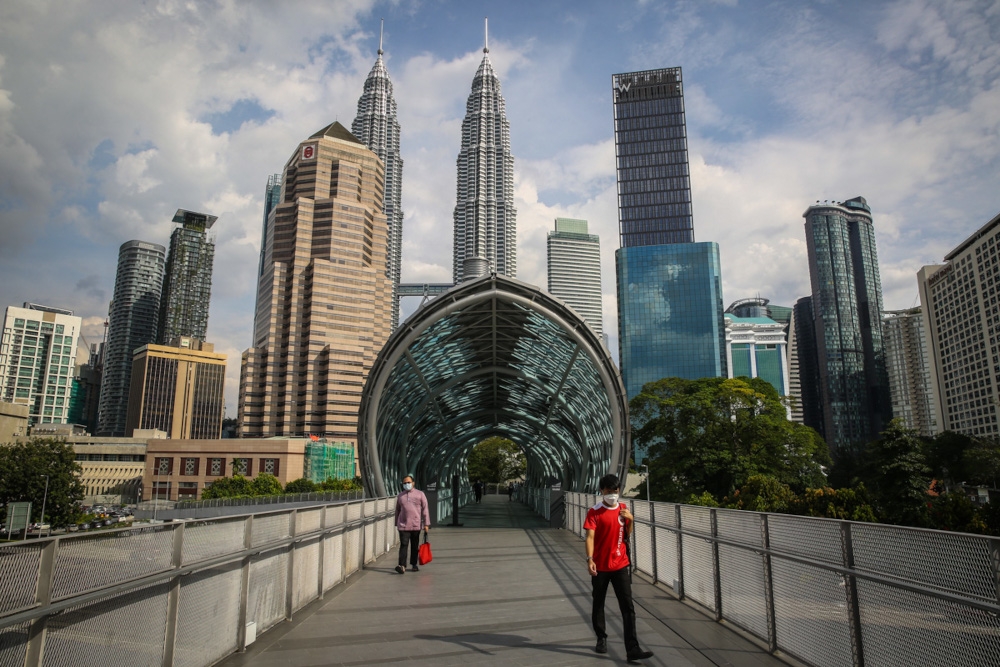
We dazzle visitors with the Petronas Twins, hum along to our export numbers, and pat ourselves on the back for avoiding the fate of a Sri Lanka or a Greece. But beneath the gloss lies a nagging, uncomfortable truth: we are stuck in a middle-income trap, and the clock is ticking.
While our neighbors – Vietnam, Indonesia, even Bangladesh – race ahead with aggressive industrial policies and reforms, Malaysia remains a nation debating the size of subsidies for the rich while our best and brightest pack their bags for Singapore. Let’s talk about the major issues no one wants to name, and whether the current government is finally serious about surgery, or just applying another band-aid.
Experts talk about the three-headed Hydra. First, our fiscal addiction to oil and subsidies. For years, Petronas was the sugar daddy that covered up structural rot. But with energy transition accelerating, oil revenue is a dying stream. Meanwhile, we spend tens of billions annually on blanket subsidies – for fuel, cooking oil, rice – that disproportionately benefit the T20, not the poor. This crowds out investment in education and public health. The result? We borrow to pay for consumption, not growth.
Second, the brain drain isn’t a trickle; it’s a hemorrhage. A young engineer in Penang earns a third of what she would across the causeway in Singapore. Why? Because Malaysia’s private sector remains low-skilled, low-wage, and low-R&D. We talk about becoming a high-tech nation, but our firms spend pathetically little on research. We produce doctors and engineers, then export them like raw rubber.
Third, our political economy is broken. Every policy change – from fuel pricing to gaming taxes – is filtered through racial and religious optics. The result is timid, half-hearted reforms. No government wants to touch the sacred cows: inefficient government-linked companies (GLCs), a bloated civil service, and education systems that produce graduates mismatched to industry needs.
Enter PMX, a reformist by pedigree but a coalition manager by necessity. Has he coped? The answer is mixed, and maddeningly slow. On the positive side, the government finally did the unthinkable: it began targeted subsidy rationalization. The removal of blanket electricity subsidies for the top 10% and the moves toward floating diesel prices show genuine courage. The Fiscal Responsibility Act passed in 2023 is also no small feat – it legally binds future governments to keep deficits in check. For the first time in a generation, you sense that the Ministry of Finance isn’t just printing promises.
Furthermore, the “whole-of-government” approach to digitalisation – from the MyDigital ID to progressive wage policies – signals an attempt to formalize a low-productivity informal sector. The recent focus on drawing in “silicon” rather than “smokestack” investments, particularly from Intel, Infineon, and others into the electrical and electronics (E&E) cluster, shows they understand the assignment: move up the value chain.
But here is the hard truth: coping is not solving.
Subsidy reform is happening at a glacial pace, watered down by fears of another Pakatan Harapan backlash (remember the 2019 petrol price fiasco?). The civil service is still the largest in Southeast Asia per capita, and retrenchment is not on the table. The politically connected cronies? Still very much in business.
Worst of all, the government lacks a “shock and awe” narrative. The PM spends more time defending against fringe Islamist attacks and racial rhetoric than selling a painful but necessary economic transformation. He wants to raise the wage floor – good. But without raising productivity, higher wages will just kill SMEs. And without fixing our broken education system (where half of students fail to meet basic math levels), the high-skill jobs will go to foreigners or robots.
The verdict. Malaysia is no longer a developing country, but it refuses to become a developed one. We are stuck in the lobby of prosperity, admiring the view but unwilling to pay the entrance fee. The government’s coping mechanisms – partial reforms, targeted spending, and cheerful investment conferences – are keeping the lights on, but they are not rewiring the house.
To truly break the mirage, government watchers say the administration must do three things which it has so afar avoided: right size the civil service, phase out all blanket subsidies within 24 months, and tie ethnic-based affirmative action strictly to need and income, not race. Anything less, and we will have the same conversation a decade from now – only this time, with a much older, much poorer population.
The question isn’t whether Malaysia can escape the trap. It’s whether our political class has the nerve to set the trap on fire. So far, they’re just rearranging the furniture inside it.
* The author is affiliated with the Tan Sri Omar Centre for STI Policy Studies at UCSI University and is an Adjunct Professor at the Ungku Aziz Centre for Development Studies, Universiti Malaya. He can be reached at [email protected].
** This is the personal opinion of the writer or publication and does not necessarily represent the views of Malay Mail.


