


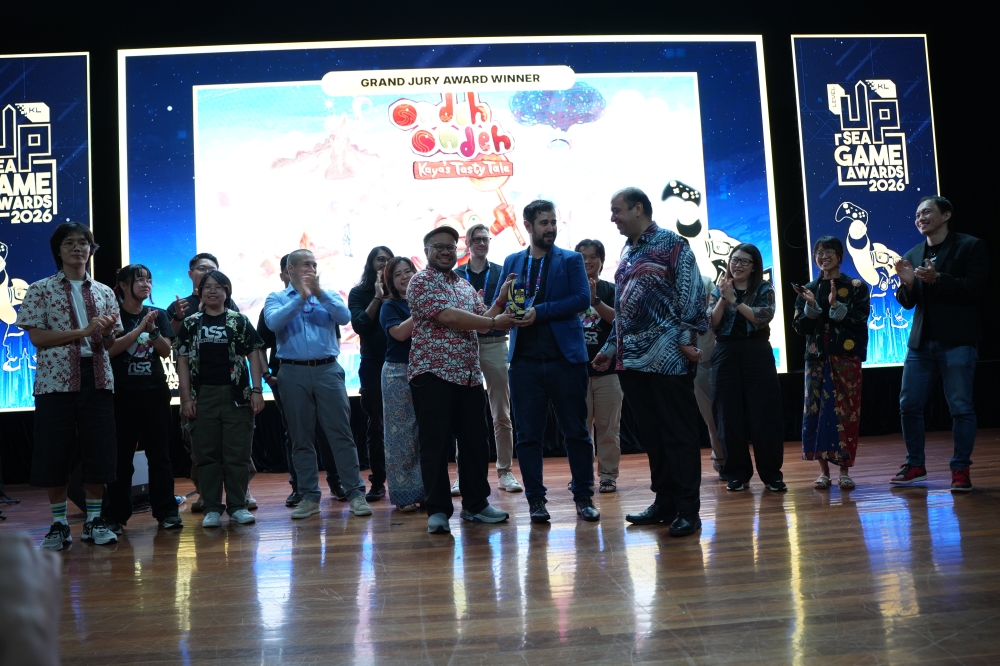
KUALA LUMPUR, Oct 16 — Malaysian game studio Metronomik was the big winner at this year’s Level Up SEA Game Awards, sweeping three categories — including the coveted Grand Jury Award — as the annual celebration of South-east Asia’s gaming talent returned for its ninth edition.
Metronomik took home the night’s top honour for Ondeh Ondeh Kaya’s Tasty Tale, which also earned the studio Best Score and Music and Best Technology at the ceremony held yesterday at the Connexion Conference & Event Centre (CCEC).
Malaysia claimed five of the 11 awards presented, with OPNeon Games winning Best Game Design for TCG Card Shop Simulator, while Asia Pacific University picked up Best Student Game for Fish Can Man.
Organised by the Malaysia Digital Economy Corporation (MDEC) in conjunction with Level Up KL, South-east Asia’s premier annual game developers conference, the awards celebrate the best independent games from the region and selected international markets.
This year’s edition attracted 174 submissions, including 71 from Malaysia, 34 from Indonesia and 12 from Singapore, according to MDEC chairman Ganesh Kumar Bangah.
Thailand and Vietnam contributed eight entries each, followed by the Philippines with five and Brunei with two. Another 34 submissions came from outside South-east Asia.
Beyond Malaysia, Indonesian developers also made their mark, with HOOP Studios, a student game studio from Telkom University, winning Best Audio for Mission Mancala, while Authentic Remixes claimed Best Visual Art for Kidbash: Super Legend.
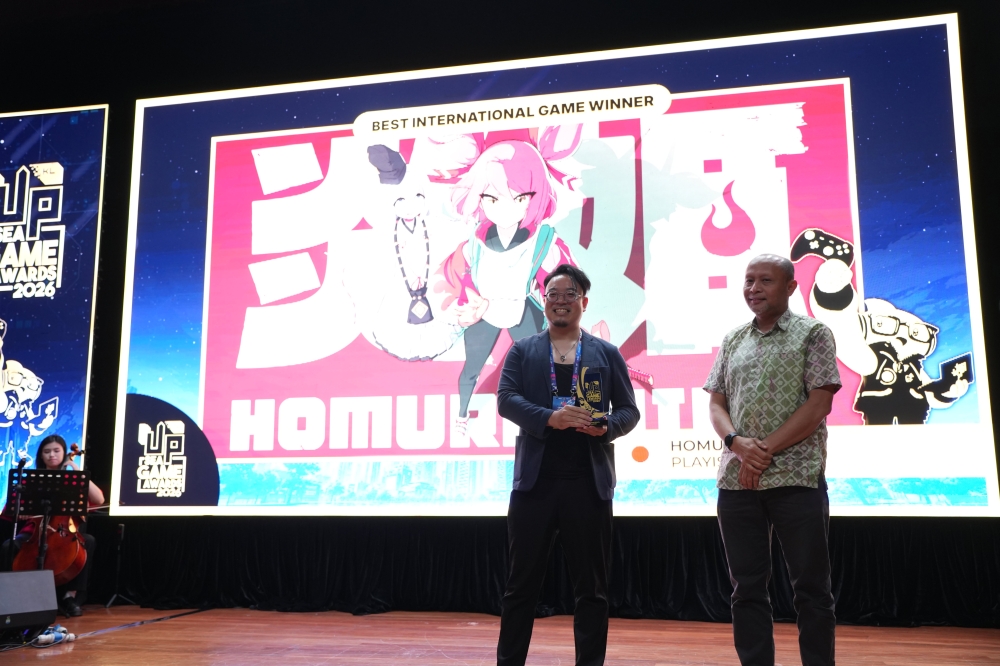
Singapore-based Team Project Lunch picked up Best Storytelling for Compensation Guaranteed: Build A Livable Future Together, while Japan’s PLAYISM secured Best International Game for Homura Hime.
Indonesia’s Bumi Studios won the Audience Choice Award for Little Tree Kingdom, while fellow Indonesian developer InnerSight Games received the Rising Star Award for Voodoo Craft.
Speaking at the ceremony, which brought together game developers, industry figures, enthusiasts and members of the media, Ganesh said the awards were designed to give South-east Asia’s gaming talent greater visibility and opportunities beyond the region.
“The SEA Game Awards was created to celebrate the region’s developers, especially independent studios, and provide a platform where outstanding work can be recognised by peers, partners, publishers and audiences,” he said.
“It is not just a celebration but also a bridge between creative ambition and commercial opportunity.”
Ganesh added that the submissions reflected the diversity of ideas emerging across the region, from small teams developing their first playable games to established studios looking to reach wider international audiences.
Beyond the trophies, the ceremony also offered a glimpse of what’s coming next, with exclusive game reveals, performances and trailers showcasing upcoming titles from developers across South-east Asia.
Malaysian games featured in the showcase included Project XII by Albrite Studios, TCG Card Shop Simulator by OPNeon Games, Ondeh Ondeh Kaya’s Tasty Tale by Metronomik, Bloodwell by Ten Ten Studio, Overhours by CtrlD Studio and Wira by RICRYM.
Other titles showcased included Fallen Tear: The Ascension by the Philippines’ Winter Crew Studios, Sepak U: Sports Fighting Game by Good Knight Collective, HellHeart Breaker by Singapore’s BattleBrew Productions and Nightmare Circus by Thailand’s Fairplay Studios.
Also featured were Lost & Found Co. by Bit Egg Inc, Dungeon Hot Pot by Indonesia’s Renala Games and 13Z: The Zodiac Trials by Singapore’s Mixed Realms.
Level Up KL and the SEA Game Awards have been part of MDEC’s efforts to grow Malaysia’s game development industry since 2015 and 2017, respectively.
Over the years, both platforms have brought together developers, publishers, investors, technology providers, academics and other industry players through game showcases, business-matching sessions, masterclasses and knowledge-sharing programmes.
Malaysia’s gaming industry has also grown significantly, with the number of game development studios rising from just 30 in 2014 to 112 in 2025, including nine multinational studios.


