JULY 20 — When universities hire only people with PhDs (or certain PhDs) and only people who have published academically, this isn’t always good news and, in fact, may contain hidden risks.
But I’m getting ahead of myself. Let’s start at the beginning.
Nowadays, in most Malaysian universities (both private and public), having a PhD and being well-published is almost a matter of necessity when it comes to hiring new employees. These two criteria are often even used for screening purposes.
When someone applies to an academic department to be a lecturer, one of the first things HR or the Dean or Head looks at is whether you hold a PhD in that particular field you’re applying to teach and whether your H-index (university talk for “I have published quite a few articles in top-tier journals”) is above a certain number.
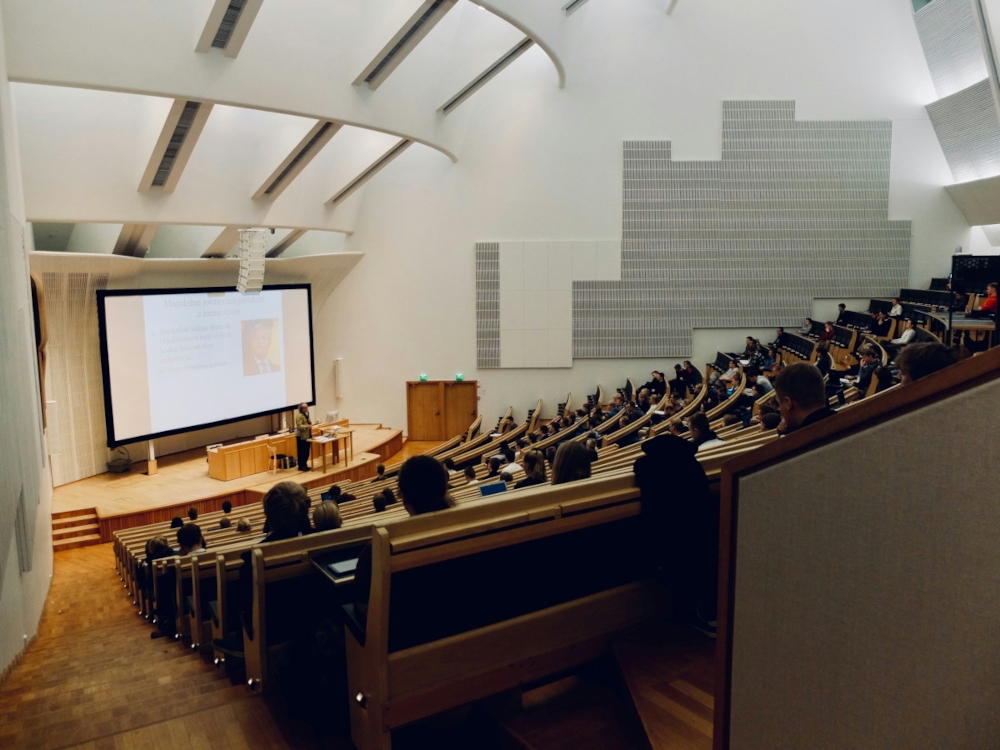
The PhD requirement is a new Malaysian Qualifications Agency (MQA) rule which came about two to three years ago.
So in many cases it won’t matter if you’ve taught Business or Journalism courses for the past eight years; if your PhD isn’t related to the department you’re applying for, chances are you’ll have trouble even getting an interview.
The H-index or publications requirement is one which many private institutions have adopted of late.
Why? Because when a university has a higher number of staff on its payroll with these levels of indices, its international rankings (QS, Times, etc.) go up — and these (usually) translate to higher student numbers, especially from overseas.
This is the (unsurprising) reason why many Malaysian private universities regularly boast about their rankings; ironically, these positions are not merely "academic" but have real monetary consequences.
So, what’s the problem? What’s not so great or even bad about an institution always holding these two criteria in mind when hiring new academics?
First, the obvious. There are simply many many good lecturers and teachers who are able to communicate a particular syllabus effectively to students (both in small and large numbers), who can inspire them, help them and so on.
These folks may only have a Masters degree or they may not be well-published.
But when a university refuses to even interview a Masters holder to teach a Bachelor degree course (“just because she doesn’t hold a PhD”) despite many proven years of dedication and skill, that sounds like a Lose-Lose.
Don’t get me wrong. Of course it doesn’t make sense for someone with only a Diploma in I.T. to be teaching a PhD (Computer Science) program but why insist that a Bachelor degree must be taught by a PhD?
In fact, many years ago I recall in HELP Institute everyone’s favourite tutor (for our BSc Econs) was a guy who had just graduated the year before.
Likewise, and secondly, when it comes to publication we have an even weirder disconnect between what students need and “what makes a university appealing”.
More often than not, a university needs a lecturer who can be with his/her students throughout the semester, someone who cares, who can teach, who can help organise events, who will be there for the department and so on.
These are good people who can work well with students and so on but for whatever reason, they just don’t write or publish a lot.
Why can’t such folks be hired and channeled towards teaching, instead of being rejected for not having published a lot in academic journals?
Furthermore, in some disciplines publishing in some top-tier journal is simply not an indicator of excellence. Eg, journalism, video production, teaching, graphic design, etc.
These are practitioner-oriented disciplines where many top people, because they’re so good at doing their thing and being actively engaged, will simply not have the time or interest to submit 6,000-word manuscripts in APA 7th Edition format to the Asian Journal of Whatever.
Conversely, we must ask how many lecturers who a) have the correct PhD and b) are published well are somehow also good lecturers who can engage a classroom, have patience with students and so on?
I certainly don’t deny they exist but why restrict the education sector with such a Venn diagram?
So back to the point I made at the start of this essay. We have two near-immutable criteria impacting the quality of university education in our country, serving too as barriers to entry to possibly a high number of good lecturers (who either don’t hold a PhD or don’t publish as much as a department would’ve liked them to) and preventing many university students from the service and dedication these people could provide.
Perhaps MQA should consider being more flexible with their criteria and universities should really ask themselves if official rankings are all that matter?
* This is the personal opinion of the columnist.