


FEBRUARY 14 — One of my closest friends is a former national runner. It was a source of great pride for all his friends and family but as he grew older he began to focus on building his career elsewhere and soon running became an accomplishment of his school days.
A waste because he was a great runner. I am revealing my vintage but this was before the era of the sports school curriculum and a state more committed to nurturing talent.
Nonetheless this reality remains common. A cliché but few parents around the world — leave alone in Singapore — will embrace the declaration that their child’s ambition is to be a professional sportsman.
It isn’t easy and I have a healthy amount of respect for the individuals who do push ahead and try to make it happen. As a nation we need these determined people to help us achieve sports glory but the truth is not everyone who tries will succeed so how do we find a balance between supporting the sportsman on the road to success and the reality of the failure many more will face?
This past week, I read a story about a 29-year-old Singaporean squash player who was unable to secure corporate sponsorship for a one-month-training stint he believed would greatly improve his sport. Surprising, considering that he nabbed a gold medal at the recent SEA Games in the men’s jumbo doubles.
Sport Singapore — a statutory board of the Ministry of Culture, Community and Youth that states its core purpose as inspiring the Singapore spirit and transforming Singapore through sport — was unable to help because squash was not recognized as an elite sport (leaving Vivian Rahmanan with the non-status of un-elite athlete).
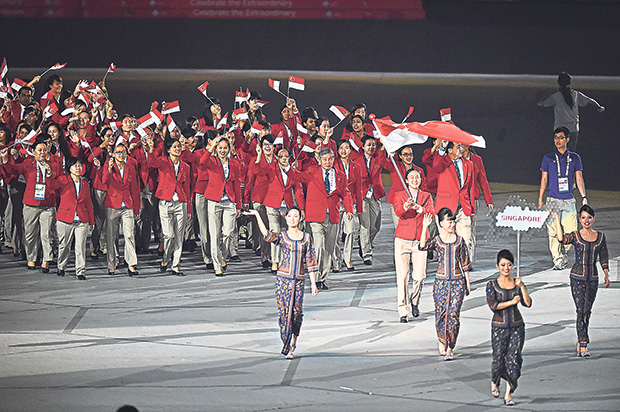
It strikes me as somewhat odd. While Singapore sports have made some stride recently, the SEA Games is more or less our biggest stage — so someone who brings home a gold medal at that level is elite enough within the local context.
Squash is not all that minor a sport and it is a sport in which Asian players are increasingly gaining traction at the highest levels, so it seems a good destination for investment.
Again this begs the question as to why a man with a successful track record struggled to raise a modest amount of funding from both state and private sponsors.
Age may have been a factor; Rahmanan is 29 so many brands may feel that their investment will have limited mileage. However, at 29 a sportsman typically still has quite a few more playing years.
Surely this is the level at which we should be deploying funding to make sure local athletes who have persisted, and succeeded feel that it is worth staying in the game.
It is crucial they feel supported even relatively late in their careers so they stay on to nurture future generations.
A career in sports should no longer be seen as something from your school days but a truly viable and rewarding path — one where you can remain engaged as a player, trainer, referee or administrator for decades.
I think what’s needed here is some flexibility and not just rigid adherence to terms like elite sports and elite athletes.
If someone has performed well enough to bring home a regional medal I think we ought to offer a modicum of support, not just for the sake of the individual athlete in question but for the broader development of sports and sports-based careers in Singapore.
* This is the personal opinion of the columnist.


