


JUNE 14 — Far from the image of scantily-clad, buxom vixens from exotic countries, most of the beer girls I’ve seen might be more accurately described as beer aunties. Older Singaporean women earning extra money, usually around S$7 (RM19.52) an hour plus commission on every bottle/can sold.
For the regular beer-swilling punters, the girls provided some welcome companionship and were part of a familiar routine. Even for light drinkers it was handy to have the ladies around — it meant you didn’t have to wander off to the drinks counter for a beer.
In my experience at least, there was nothing particularly harmful about the promoters. But this characteristic little quirk of our hawker centres has just been snuffed out.
The National Environment Authority (NEA), which runs the nation’s hawker centres, announced they would be enforcing laws which would outlaw beer promoters. According to the NEA, the girls fall foul of long-standing laws that prohibit touting, infringe on the family-friendly nature of hawker centres and flout the prohibition on foreign workers taking jobs in these centres.
Now the government has some legitimate points here. There are established laws that prevent foreigners from working in hawker centres and these are family spaces. Women cavorting with men, urging them to chug pitchers of beer isn’t typically something you want your kids to see.
But that wasn’t the reality of the beer girls. In the vast majority of cases, they offered a very staid sort of promotion — a giggle and a wink was usually as risque as it got. Touting was far from common and the upshot of the ban is that Singaporeans, many of these girls are local, will lose their jobs and more Singaporeans — the stall owners — will lose revenue. The beer companies who engage the promoters will surely drive their sales elsewhere. The most vulnerable will bear the brunt of this ban.
The situation seems unfair but that’s often the case with blanket bans. They are blunt and crude policy instruments. Of course, Singaporeans and the rest of the world remember the plethora of bans from the early days of modern Singapore.
Public ban on long hair for men, anyone? But you’d like to imagine the era of bans is over, that the authorities have moved on to more nuanced policies. But no, our rulers are as fond of bans as ever.
A few relatively recent examples:
Shisha ban (beginning Nov 2014, last shisha bars to close 2016)
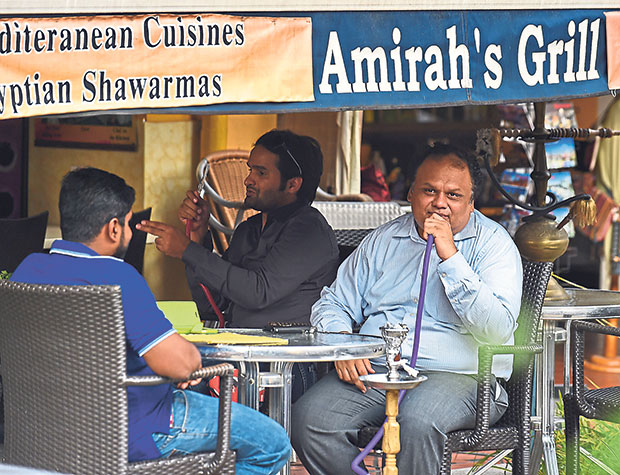
The most thorough ban on the hookah in the world will prevent their import even for use at home. A whole eco-system around Arab Street will vanish, and non-drinking communities will lose one of their favourite recreational pastimes. While the restriction seems consistent with a general crackdown on smoking, cigarettes aren’t banned and surely banning the water pipes from people’s homes is a step too far?
Personal electric vehicles (longstanding but clearly enunciated in September 2014)
Though they’re wildly popular, electric scooters, wheelies, Segways are not actually allowed on Singapore’s roads, pavements, and even in parks according to the Land Transport Authority (LTA).
For many, this is a surprising proscription as they seem a cost effective and environmentally friendly mode of getting from home to work, or from home/work to public transport.
While there are legitimate concerns about accidents, rather than a blanket ban a system where these vehicles are classified and regulated — which are safe for pavements/which for cycle paths etc. would be much more progressive than a ban.
Ban on instruments at the annual Thaispussam procession (since 2011)
The festival has been celebrated for over a century and the ban is a source of understandable anger amongst the minority concerned.
Again there seem to have been policy alternatives: instruments could have been banned at certain times and minor instruments could still have been permitted or we could question why it needed to be restricted at all?
Street drinking from 10.30pm-7am from April 2015
Despite Singapore having no major problem with street drinking, a nationwide ban has been imposed and this includes sipping a beer under your block.
In every case where bans have been imposed there seems to be alternatives that have been overlooked. It’s a bit of a mystery, well at least until you consider that beer promoters are banned but not the European models who hand out high-end vodka at swish night spots. That the shisha is banned as a vice but revenue-generating cigarettes and casinos are fine.
Is there a trend?
* This is the personal opinion of the columnist.


