


SINGAPORE, June 22 — Most of my life — since I was six — I have lived in the same public housing flat which sits at the edge of a HDB estate in the north of Singapore. And to get home from the nearest bus stop or MRT, I usually elect to cut through a park and a large carpark that surround the neighborhood stadium.
These days, I while away that 10-minute stroll by scrolling through my newsfeed and last week as I found myself reading carefully crafted criticisms of this state — from its influx of foreigners to its state pension systems — I paused when I came across a more gruesome image: Two young girls hanging from a tree.
The headline screamed: Gang-raped sisters hung from a tree in India.
It gave me pause because I realised how I had grown accustomed to spending those 10 minutes completely alone, often never meeting another pedestrian — on a route that is dark, secluded, quiet and I have never been afraid.
With that image of those girls in my mind, I remembered that this fearlessness I felt was something extraordinary. For women in every part of the world; from the narrow lanes of the Lower East side to London’s lonely suburbs, there is a pervasive sense of fear.
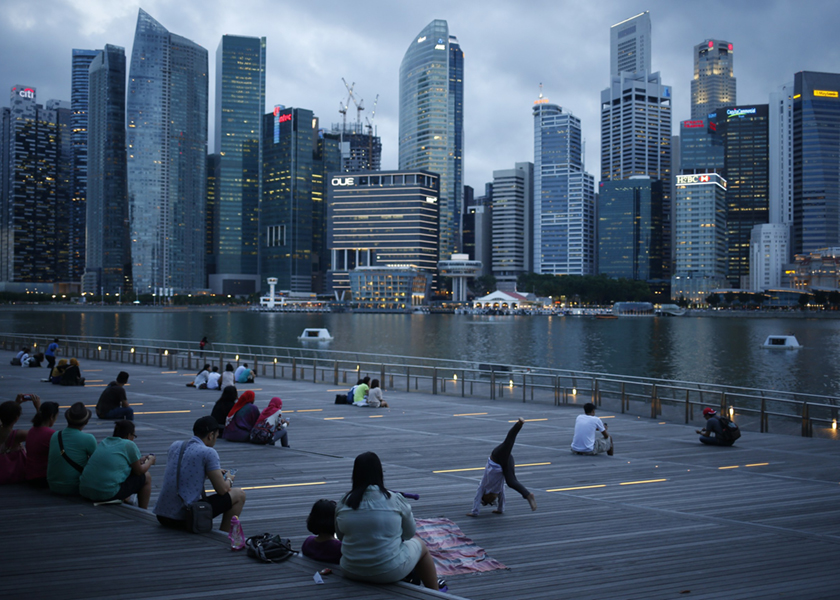
It’s not always extreme, sometimes it’s just a nagging doubt, but there’s a need to have to check oneself and one’s surroundings — particularly after dark. In Singapore, more than anywhere else in the world I’ve encountered, this is almost entirely absent. I have never felt unsafe on account of my gender.
Of course, the recent spate of salacious murder headlines is not lost on me. From legless bodies stuffed in suitcases to mother and daughter stabbings in Ang Mo Kio. Like every other dutiful Singaporean I too can parrot back the refrain: Low crime doesn’t mean no crime. But the fact is this is a safe city. And here I am free — to walk, wear what I want, at any time of day or night — to simply be.
According to 2013 statistics, Singapore’s overall crime rate is 549 per 100,000 residents and the incidence of rape is under three cases per 100,000, compared to over 30 Australia and 20 in Malaysia. While this doesn’t account for differences in methodologies and the rate crimes are reported, the basic figures are still telling
The city isn’t crime-free but the risks are sufficiently low that neither I nor my peers have had to actively fear crime and more particularly, never had to put up with groping, casual harassment or lecherous looks. All the behaviours that normalises and condones the harassment of women.
My foreign friends call it the Singapore girl bubble — I am confident in public because I have never been made to feel aware or ashamed that I am female.
Recently I meandered along the streets of another Asian capital – focused on the screen of my smartphone as I tried to study a map and my companion pointed out with her mouth slightly agape in awe that I had completely missed the numerous lecherous stares and catcalls that had been directed my way.
She, as she demonstrated, walked those very streets daily in a get-up carefully selected to block out the casual and constant barrage of harassment.
She always wears sunglasses to prevent men from making eye contact and walks with earphones lodged in her ears to dissuade any attempt at conversation. Of course this isn’t the case everywhere but in Bangkok, Paris or LA there are streets you’d do well to avoid.
There are also decisions to be made about staying late at a friend’s place or shelling out for a costly taxi ride over public transport.
To me, that this isn’t the case in Singapore is an achievement that cannot be over-appreciated. Of course, I recognise there are nuanced and valid debates on the price of security in Singapore but it’s more than just a matter of triumphant government statistics.
It’s a very real economic advantage and in a deep sense gives Singaporeans a valuable, and rare, human right — true freedom of movement — regardless of gender or the time of day we can move around this city.
And for this, I am grateful.
* This is the personal opinion of the columnist.


