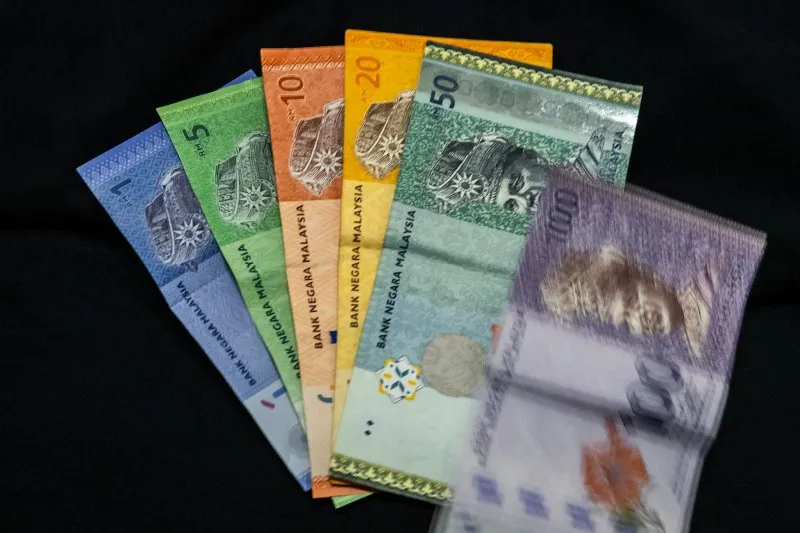
KUALA LUMPUR, Nov 18 — The ringgit has remained stable in the near term amid prevailing global developments, said Bank Negara Malaysia (BNM) Governor Datuk Seri Abdul Rasheed Ghaffour.He said the local currency remained supported by Malaysia’s strong domestic fundamentals, sustained foreign direct investment (FDI) inflows and the government’s commitment to structural reforms.On a year-to-date basis as of Nov 16, the ringgit recorded a relatively stable performance against the US dollar (-0.8 per cent) and the currencies of major trading partners (Nominal Effective Exchange Rate, NEER: -0.5 per cent), he said.“Looking ahead, exchange rate movements are expected to remain primarily influenced by external developments.“Nonetheless, BNM will closely monitor global developments and remains committed to ensuring the orderly functioning of the domestic foreign exchange market,” he said at the third quarter 2026 (3Q 2026) gross domestic product (GDP) press conference today.Commenting on the net contribution of trade and investment flows to the ringgit, the central bank governor said inflows and outflows were part of the normal investment cycle, adding that Malaysia was also encouraging domestic investors with overseas investments to repatriate their profits and income.According to HSBC data, Malaysia recorded approximately US$45 billion (US$1 = RM4.09) in foreign direct investment (FDI) inflows, against an estimated US$30 billion in direct investment outflows in 2026.This suggests that the net contribution of trade and investment flows to the ringgit is smaller than headline economic growth figures might indicate.Abdul Rasheed said BNM is also encouraging Malaysian investments abroad to bring their earnings and profits back into the domestic market, which will flow back into the balance of payments.Furthermore, he said the government’s commitment to structural reforms had also helped boost investor sentiment, while financial markets continued to record healthy two-way flows.“If you look at the average daily forex market turnover, it has increased to US$21.1 billion as at Nov 17. Compared with 2025, it averaged about US$19.4 billion on a typical day. In 2024, it was US$17 billion, while in 2023, it was US$15 billion.“Therefore, the turnover is going up. That shows the healthy two-way flow in the market itself. This is something that has been supporting our ringgit,” he added. — Bernama