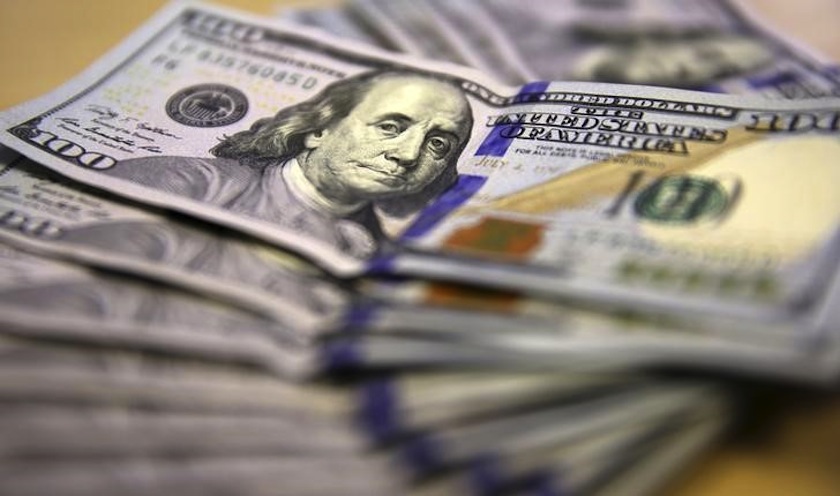


SINGAPORE, April 29 ― The dollar held firm at a 20-year high today and was poised to score its best monthly gain in a decade, buoyed by bets on rising US interest rates and doubts about growth in Europe and China.
The latest uptick was thanks to the Bank of Japan, which sent the yen falling through 130-per-dollar for the first time since 2002 yesterday when it reinforced a commitment to its super-low yield policy.
The yen was last at 130.72 per dollar after falling as low as 131.25 overnight following the BoJ's pledge to buy endless amounts of bonds daily as needed. The yen is down almost 7 per cent in April, its worst month since November 2016.
“Even though the BoJ had shown no sign of baulking on its commitment to its yield curve control policy, the market clearly still harboured suspicions that it might,” said Rabobank strategist Jane Foley.
The uber-dovish decision set Japan miles apart from the Federal Reserve, where markets are priced for 150 basis points (bps) of hikes in just three meetings, and triggered a fresh rush of funds into the dollar ahead of all else.
The US dollar index, which hit a two-decade high of 103.93 in the wake of the yen's tumble, was last at 103.53 and up more than 5.3 per cent through April. If sustained, that would make for its best monthly gain since May 2012.
Weaker-than-expected quarterly US growth data overnight proved little obstacle to the dollar's rise, and investors hardly adjusted their near-term interest rate bets.
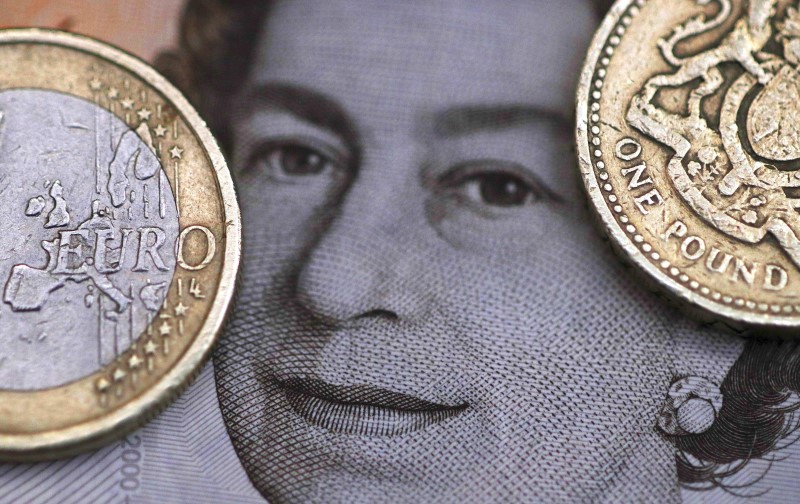
The euro, meanwhile, dropped through US$1.05 (RM4.57) for the first time in five years yesterday and was last clinging on at US$1.0511.
“Like the yen, the euro is becoming more deeply undervalued against the US dollar,” said MUFG Bank currency analyst Lee Hardman.
“Market participants increasingly price in a widening divergence opening up between the performance of the euro-zone and US economies and subsequently the outlook for European Central Bank and Fed policies.”
The euro has lost 5 per cent on the dollar in April and just over 7% on the dollar since Russia's invasion of Ukraine on February 24.
The conflict, and especially this week's halt on Russian gas supplies to Poland and Bulgaria, has investors concerned about Europe's energy security, inflation and growth.
Similar fears have driven sterling to the 22-month low of US$1.2412 it made overnight. At US$1.2481 in Asia, the British currency is down 5 per cent against the dollar in April, its worst showing since October 2016.
Drawn out Covid-19 lockdowns are also putting the brakes on an already-slowing Chinese economy, which has hit the yuan as well as commodity currencies.
The yuan has fallen to 18-month lows at 6.6400 per dollar and is on course for a record monthly drop of 4.3 per cent.
The Australian dollar made a three-month low of US$0.7055 overnight before recovering to US$0.7123 in early trade today as investors think Australia's monetary tightening cycle is set to begin as soon as next week.
The Aussie is down 4.8 per cent for April. The New Zealand dollar is heading for its worst month in seven years, having lost 6.4 per cent on the dollar, and was steady at US$0.6498 today.
Bitcoin held at US$39,874. ― Reuters