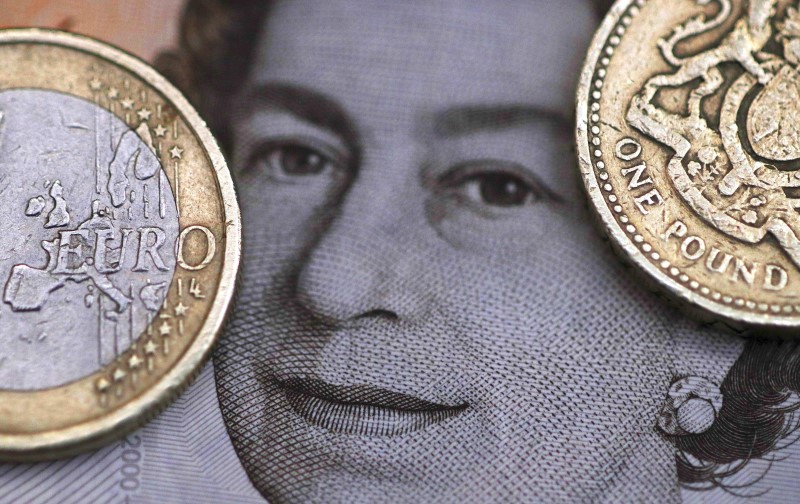


LONDON, Sept 1 ― The euro consolidated gains below a near one-month high today as a higher-than-expected inflation reading pumped up bond yields, forcing investors to cover their bearish bets on the single currency.
Data yesterday showed euro zone inflation increased to 3 per cent year-on-year in August, the highest in a decade, above the European Central Bank's 2 per cent target and a 2.7 per cent forecast in a Reuters poll. The reading sent yields on German benchmark debt to their highest levels since late July.
The jump in bond yields forced traders to halt their multi-month streak of US dollar purchases versus the euro. Net short bets against the greenback versus the single currency have fallen to their lowest levels since March 2020, according to latest positioning data.
Implied volatility gauges on the single currency also flickered to life, with one-month maturities rising to their highest levels since early July as expectations grew that the ECB might signal a policy shift at a meeting next week.
Robert Holzmann, governor of Austria's central bank, said the ECB was in a situation where it could think about reducing emergency bond purchases, and added he expected the issue to be discussed at the meeting.
But despite the hawkish comments and the data, the single currency failed to make much progress above the US$1.18 (RM4.89) level. In early London trading, the euro held at US$1.1803, below an August 5 high of US$1.1842 hit yesterday following the data.
Analysts believe the lack of sustained euro strength is based on the current ECB forward guidance that suggests asset purchases will continue until rate hikes are necessary, indicating the stimulus programme might be expanded next year.
“Unless euro area economic data post consistent upside surprises in coming months, it is hard to get excited about the idea of persistently rising euro area rates, and by extension a strong upward trend in euro/dollar,” Credit Suisse strategists said in a daily note, sticking to their year-end forecast of US$1.16.
Elsewhere, the dollar was marginally higher versus its rivals, thanks to a mix of weak Asian factory activity data and firmer US Treasury yields.
The dollar index, which measures the greenback against six rivals, edged up to 92.777 from yesterday, when it dipped as low as 92.395 for the first time since August 6. ― Reuters