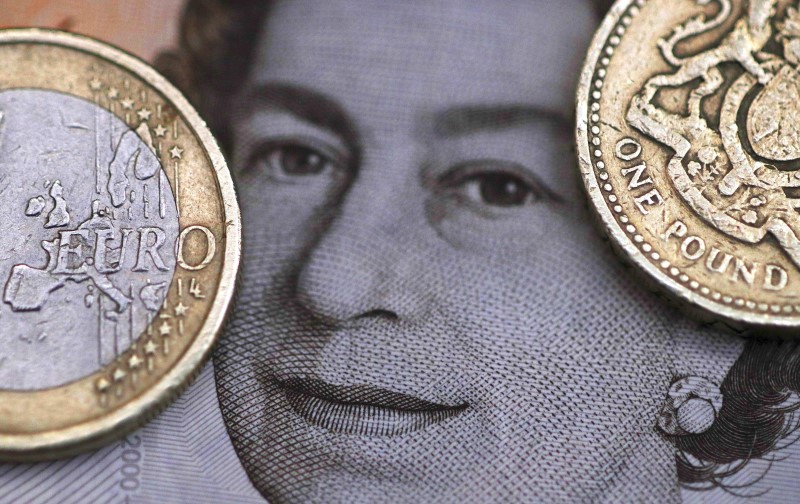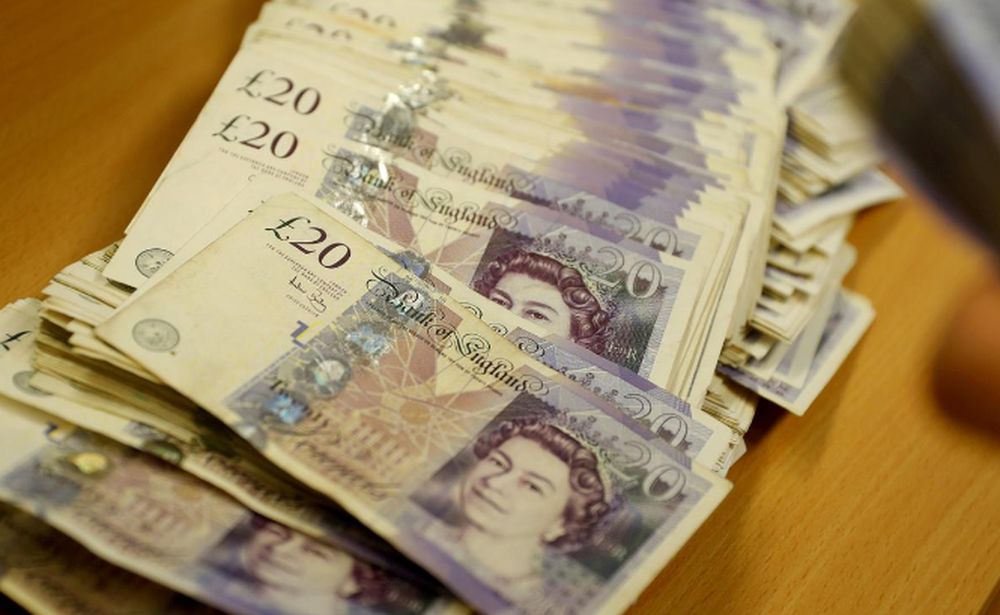


LONDON, March 20 — Sterling rebounded versus the US dollar and euro amid a tentative rally in global markets today, climbing off more than three-decade lows against the greenback.
The British currency had been one of several to tank as investors rushed to put their money in dollars, the world’s most liquid currency and seen as a safe haven in times of crisis.
The Bank of England cut benchmark interest rates to a record low of 0.1 per cent and ramped up its bond-buying programme yesterday in a new attempt to shield Britain’s economy from the coronavirus pandemic, helping gilts recover.
Analysts were divided as to whether the BoE announcement would boost the pound much in the medium-term, but many said it demonstrated that policymakers were willing to take extraordinary measures to support an economy that is likely to shrink sharply in the coming months.
British government bond yields also rallied yesterday following the BoE’s stimulus measures, and that did help sterling in money markets.
The pound whipsawed from a fresh low of USUS$1.1413 versus the dollar in Asian trading hours overnight. It was last up nearly 2.4 per cent on the day at around US$1.18.
Against the euro, sterling was up two per cent and was heading for its second day of gains in a row, last trading at 91.23 pence per euro.
The British currency had previously fallen around 12 per cent against the dollar over a little over a week to levels not seen since 1985.
Against the single currency it slid to an 11-year low of 95 pence per euro yesterday.
“It’s been extraordinary. The pound is acting more like an emerging markets currency,” said Kenneth Broux, FX strategist at Societe Generale.
“Tuesday was panic stations and we had a big blow out in gilts. Investors have been liquidating all types of investments just to drum up cash (in dollars).
“A lot of investors were terrified by the chance of sterling falling even lower and deeper losses.
“The Bank of England’s action was very timely. It’s not about the rate cut, more about restarting QE (quantitative easing through bond-buying).”
Broux said the pound had fallen in Asian trading hours due to the closure of Japan’s Nikkei, which resulted in thin liquidity in money markets and increased selling pressure.
Markets in Europe opened higher on Friday after improved sentiment in Asia, signalling a rally through all geographies and sectors as the huge amounts of stimulus announced by governments and central banks in recent days helped settle some nerves. — Reuters