

LONDON, Dec 2 — The pound fell today as polls showed a growing probability the December 12 UK election would end in a hung parliament.
British Prime Minister Boris Johnson’s Conservative Party saw its lead over Labour narrow to nine percentage points in the past week but remains the front runner, a Survation poll for ITV’s Good Morning Britain said today.
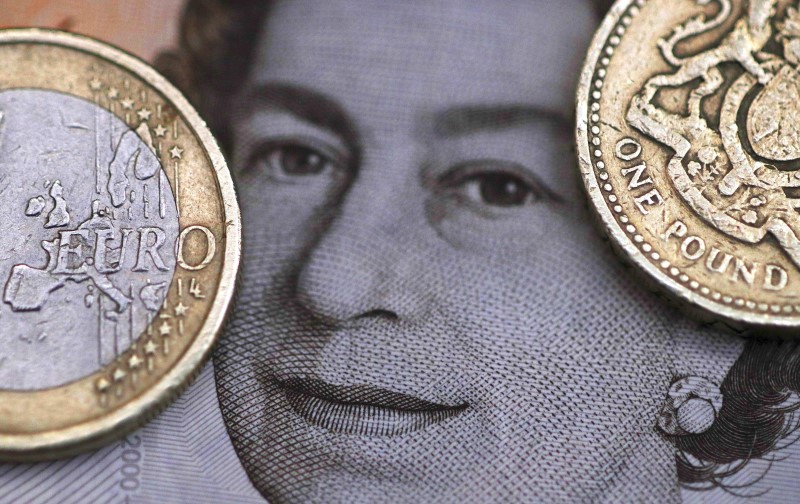
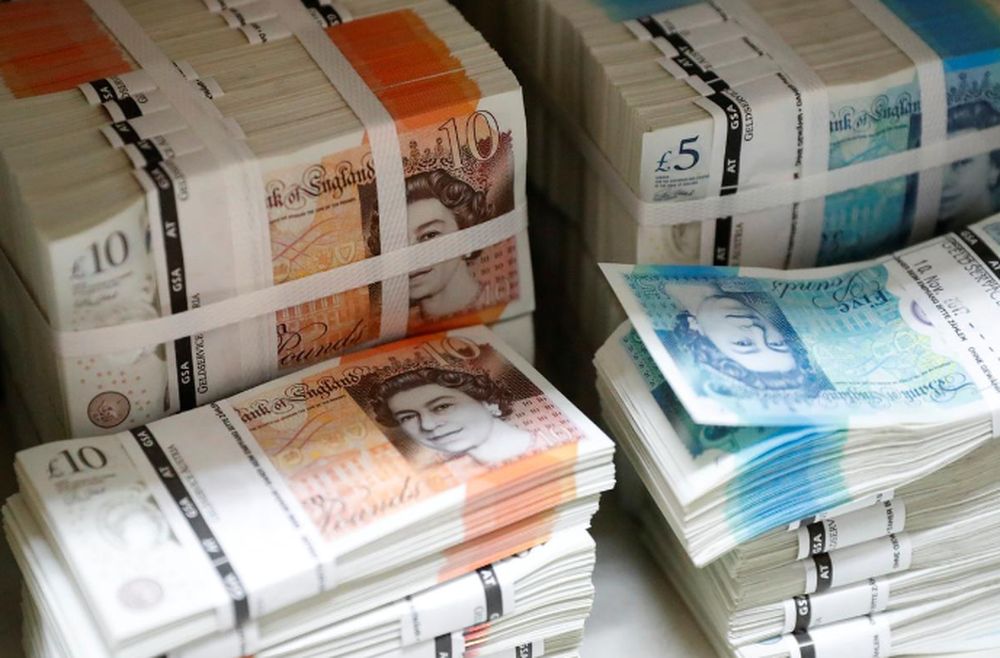
Sterling was last down 0.3 per cent at US$1.2907 (RM6.97). It was 0.2 per cent weaker at 85.34 pence against the euro.
“There are increasing parallels with the way polls played out in 2017 with what we’re seeing now, so that could cap the upside for sterling,” said Jeremy Stretch, currency analyst at CIBC.
Option prices showed that investors have been preparing for unexpected moves in the British currency during the election. Implied volatility gauges have risen to 13.7 vol, the highest in six weeks. Volatility across other major currency pairs was near record lows.
Speculators have added some short positions on the pound in the week to November 26 for a total of US$2.58 billion, CFTC data showed, though net short positions were still low for this year.
A Conservatives majority in parliament would make it easier for Johnson to pass the Brexit deal agreed with the European Union in October, restoring some certainty to the UK’s exit from the EU, analysts say.
Three and a half years after Britain voted to leave the EU, markets still don’t know whether the third Brexit deadline will be met on January 31 or whether Britain will be able to negotiate a favourable trade deal afterwards if it happens.
The long stretch of uncertainty has hurt the British economy, prompting the Confederation of British Industry and a manufacturing trade body, Make UK, to downgrade their growth forecasts for next year.
Official figures have shown that Britain’s economy is growing at the weakest annual pace since 2010, and industry leaders see little or no improvement in 2020, even if Johnson wins re-election and secures an agreement by the January 31 deadline.
Still, the final British manufacturing purchasing managers’ index was revised to 48.9 for November, up from 48.3 in October, where it was expected to stay, without much effect on the pound. — Reuters