




SINGAPORE, April 14 — Singapore refrained from easing monetary policy again after a surprise move in January as it said its current stance was appropriate. The local dollar climbed.
Gross domestic product grew an annualised 1.1 per cent in the first quarter from the previous three months, when it grew 4.9 per cent, the trade ministry said.
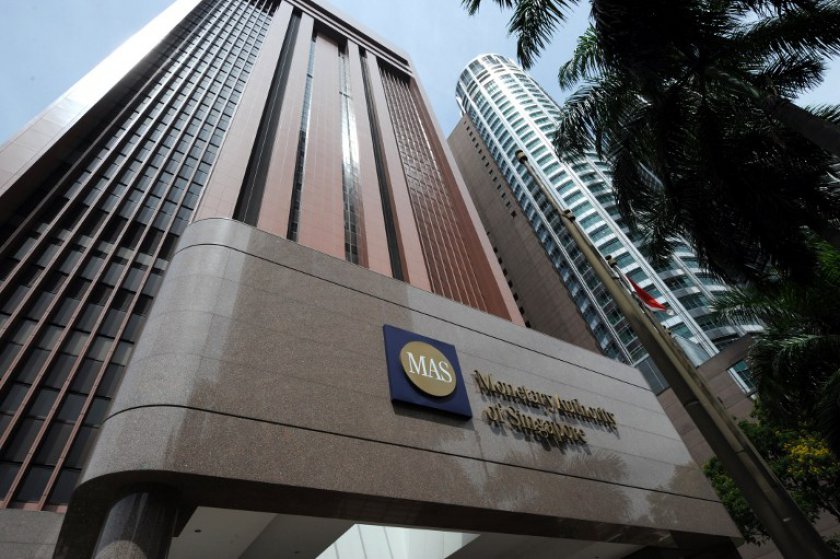
The Monetary Authority of Singapore, which uses the currency rather than interest rates to guide the economy, said in a statement yesterday it will maintain its policy stance. The central bank reduced the pace of the local dollar’s appreciation against those of its trade partners in an unexpected move on Jan 28, after growth sagged in 2014 to its weakest in five years.
Eight of 15 economists surveyed by Bloomberg predicted MAS would maintain the current stance, while the rest forecast it would ease.
“The risk-reward was probably to be more positioned in and around an easing rather than no change,” said Jonathan Cavenagh, a currency strategist at Westpac Banking Corp in Singapore, said before the central bank’s announcement. “The risks are they will still have to move either later this year or at the October policy meeting if downside risks to the growth outlook materialise.”
The Singapore dollar jumped 0.8 per cent to S$1.3614 (RM3.70) against the US currency as of 8:03am local time.
The central bank guides the local dollar against a basket of its counterparts and adjusts the pace of its appreciation or depreciation by changing the slope, width and center of a currency band. It doesn’t disclose details on the basket, or the band or the pace of appreciation or depreciation. The MAS has two scheduled policy announcements a year, one in April and the other in October.
Unexpected easing
In January, the central bank ignored its calendar of policy meetings and announced it would reduce the slope of the band, while retaining a “modest and gradual appreciation” of its currency against the basket. The MAS cut its inflation forecast for 2015, predicting prices may fall as much as 0.5 per cent as oil tumbles. Its previous emergency policy change was after the Sept. 11, 2001, terrorist attacks in the US.
The local dollar dropped to a 4 1/2-year low of S$1.3941 on March 13. The 10-year bond yield jumped 11 basis points on Jan. 28, its biggest gain in a month.
Singapore’s 10-year bond yield has exceeded that of US Treasuries for all but three days since December, after being lower for the previous 16 years. The last time the city-state’s bonds offered a premium was in the Asian financial crisis of 1998.
Expectations of further currency weakness reduce the appeal of Singapore’s AAA rated debt, meaning investors demand a higher yield in compensation.
Singapore’s economy will expand 3 per cent this year, about half the average pace across Asia, economists surveyed by Bloomberg predict. The island state is suffering from its longest stretch of disinflation, or slowing inflation, since the global financial crisis in 2009. Consumer prices fell 0.3 per cent in February from a year earlier. — Bloomberg


