




SINGAPORE, March 23 — Singapore’s longest stretch of disinflation since the global financial crisis backs the case for a second easing in monetary policy this year, predicted by a growing number of analysts in recent weeks.
Consumer prices fell 0.3 per cent from a year earlier in February, data released in Singapore today showed. That’s the fourth straight month of declines, the most extensive slump since the second half of 2009.
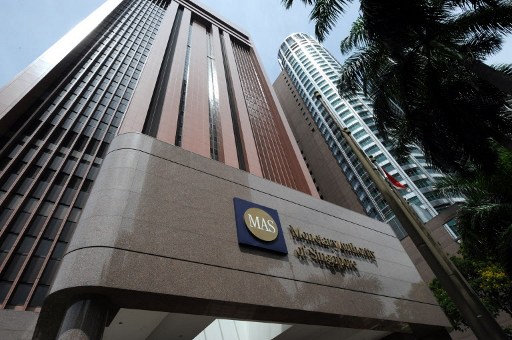
The Monetary Authority of Singapore, which uses the exchange rate as its main policy tool, will decide next month whether to add to an unscheduled January decision to join global central banks in monetary easing. Recent economic data show the Southeast Asian nation’s growth outlook faltering, even as officials predict prices will recover later this year.
“Probably what’s going to be on the minds of MAS will be the growth outlook,” said Daniel Wilson, a Singapore-based economist at Australia & New Zealand Banking Group Ltd. “We do expect them to provide a little additional support through easing of policy. We haven’t seen a lot of slowdown in growth but it has been moderating.”
Singapore guides the local dollar against a basket of currencies within an undisclosed band and adjusts the pace of appreciation or depreciation by changing the slope, width and centre of the band. The central bank said January 28 it would seek a slower pace of appreciation, the first emergency policy change since one following the September 11, 2001 attacks. The MAS only has two scheduled policy announcements a year, in April and October.
Oil prices
There should be continued downward pressure on inflation in the months ahead, although consumer prices could pick up in the second half as oil prices recover, MAS board member Lawrence Wong said this month.
“We are expecting the MAS to re-centre next month at their meeting to combat this disinflation,” Wilson said, referring to the central bank’s currency band. “We are expecting inflation to trend in negative territory pretty much for the first half of the year.”
Working against that view is the recent jump in local interest rates.
Easing monetary policy further may push up speculative bets to weaken the Singapore dollar, which could cause the three- month Singapore interbank offered rate to rise even faster, according to Barclays Plc. The so-called Sibor, against which most home loans are benchmarked, has risen more than 50 basis points to the highest since the global financial crisis.
Headline Inflation
“Only oil is down sharply and it is pulling down headline inflation,” said Wai Ho Leong, a Singapore-based economist at Barclays. “They are likely to remain on hold given there is no risk of deflation.”
Higher Singapore interbank rates since the central bank’s January move will probably boost loan yields at the city’s three biggest local banks, according to Bloomberg Intelligence analyst Francis Chan. The lowered currency-trading band slope has weighed on the Singapore dollar, encouraged capital outflows and pared liquidity, boosting interbank interest rates, he said in a March 16 note.
“Indeed, there are important trade-offs from any change in policy settings.” MAS’s Wong said in Parliament on March 10. “MAS has repeatedly emphasized that an excessive weakening of the domestic currency will only lead to higher inflation.” — Bloomberg


