


LONDON, April 7 ― World stocks slipped today from last week’s six-year high as technology shares tumbled again, while speculation the European Central Bank will ease policy further pushed down European bond yields.
The Nasdaq on Friday suffered its biggest decline since February as investors extended a recent sell-off in high-flying and high-growth shares, mostly in the tech and biotech sectors, on fears that they are overvalued. The negative sentiment spilled into Asia today, hitting Japanese tech stocks.
The pull-back came after the Dow and S&P 500 indices hit record highs following March US jobs data that soothed concerns about the health of the economic recovery there but eased fears of an early interest rate hike.
World stocks, as measured by MSCI, had enjoyed three weeks of straight gains as easing tensions in the Crimea region of Ukraine encouraged investors to add risks.
“Markets are overbought over the short term. We have seen a decent run after the Crimean situation cool down a little bit and now it’s quite natural to see a breather from that level,” said Gerhard Schwarz, head of equity strategy at Baader Bank.
The MSCI world equity index fell a third of a per cent, having on Friday hit levels not seen since late 2007. US stock futures were pointing to a weaker start on Wall Street later.
Japan’s Nikkei fell 1.6 per cent, led lower by index heavyweight Softbank, which fell over 4 per cent in brisk turnover.
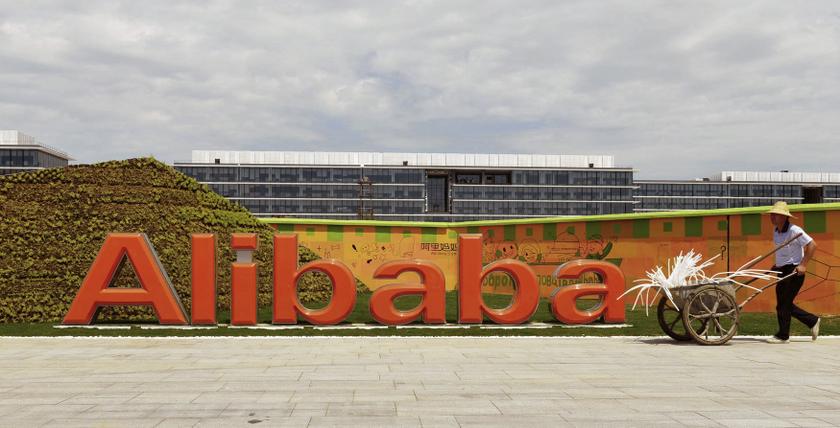
SoftBank shares have become very sensitive to moves in US tech stocks ahead of Alibaba’s IPO, which is expected to become one of the largest offerings in history. SoftBank holds around a 37 per cent stake in the Chinese e-commerce giant.
European stocks were down around 0.8 per cent while emerging stocks outperformed with a decline of just 0.15 per cent following three weeks of gains.
The dollar was slightly lower against a basket of six major currencies. The euro rose 0.1 per cent to US$1.3726.
Euro zone bonds rose broadly on expectations the ECB may undertake a programme of asset purchases, known as quantitative easing or QE — in effect printing money to buy assets — this year to support the economy.
Greek debt yields hit a four-year low and German and Italian bond futures rose, extending Friday’s rally after a German newspaper said the ECB had modelled the effects of buying a trillion euros of assets to ward off deflation.
That followed comments by ECB president Mario Draghi that policymakers were unanimous that asset purchases might be needed to tackle persistently low inflation.
“Investors are just looking for yield pick-up with the ECB’s accommodative stance at this juncture,” RIA Capital Market strategist Nick Stamenkovic said.
US crude oil fell half a per cent to US$100.66 a barrel after worries about supply disruption eased as Libyan rebels occupying four eastern oil ports agreed to gradually end their eight-month-old blockade.
The 10-year US Treasury yield stood at 2.720 per cent, having fallen on Friday after the jobs report eased concerns about an early interest rate hike.
Short- and medium-term Treasury yields had surged after Fed chair Janet Yellen suggested on March 19 that the central bank could raise interest rates earlier than expected. Yellen was more dovish in a speech on March 31, when she defended the Fed’s supportive measures.
Short- and medium-dated Treasuries notes are viewed as most vulnerable to a hike in overnight interest rates, which are currently near zero. — Reuters


