

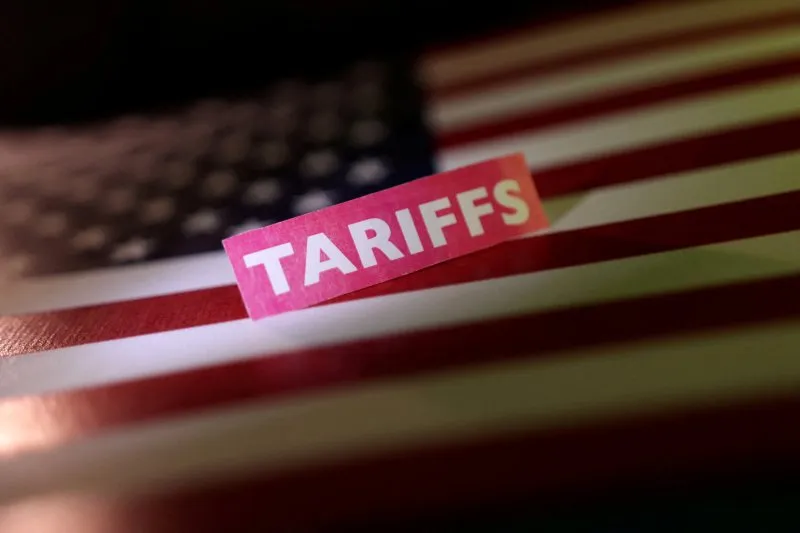






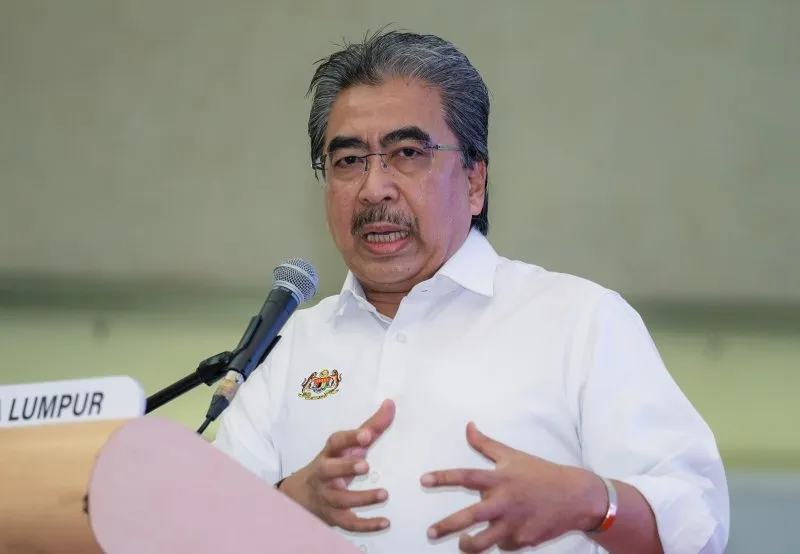


KUALA LUMPUR, Nov 26 — Malaysia will continue negotiations with the United States until the first quarter 2027 to ensure overall tariffs on Malaysian goods do not exceed 19 per cent, particularly in addressing concerns over structural excess capacity and production under Section 301 of the Trade Act of 1974, said Investment, Trade and Industry Minister Datuk Seri Johari Abdul Ghani.
He said Malaysia would continue engaging with the US Trade Representative (USTR) to present its case and prevent any additional tariff measures from pushing the overall tariff rate on Malaysian goods above the 19 per cent level agreed under the Agreement on Reciprocal Trade (ART).
“The US had indicated a tariff range of between 18 per cent and 25 per cent for Malaysia... this is the range. But we still have until the first quarter to negotiate, explain, and put forward our justification why we cannot be placed in this range. Overall, you also need to take into consideration that it cannot be more than 19 per cent,” he told reporters after the Official Commemoration of BYD Local Assembly Plant in Malaysia.
Earlier, the media reported that the US has proposed additional tariffs of up to 18 per cent on Malaysian goods after determining that Malaysia’s industrial policies and manufacturing practices contribute to structural excess capacity and production that Washington says burden or restrict US commerce.
Malaysia is among 14 economies facing proposed tariffs under Section 301 of the Trade Act of 1974, with headline rates ranging from 15 to 35 per cent. The other economies include China, Singapore, Indonesia, Thailand, Vietnam, Japan, and the European Union.
Johari said Malaysia had made its position clear to the USTR’s deputy representative, stressing that the country should retain the benefit of being among the first to sign the trade agreement.
“Look, we were the first to sign the ART, and you promised us a 19 per cent tariff rate. We must therefore be able to enjoy that benefit. Whatever additional measures you intend to impose, including the 10 per cent tariff related to forced labour, the total must not exceed 19 per cent,” he said.
He highlighted that the US is looking into four areas under Section 301 of the Trade Act of 1974, namely excess capacity, forced labour, environmental issues and state subsidies.
He said the US has finalised a 10 per cent tariff on forced labour while measures relating to excess capacity remain under consideration.
“On excess capacity, the US has yet to finalise its position and is still working on how to implement it. However, the Ministry of Investment, Trade and Industry (Miti) has consistently maintained that Malaysia does not have excess capacity,” he said.
Johari stressed that Malaysia’s position remained unchanged despite the indicative tariff range of 18 to 25 per cent communicated by the US under its excess capacity assessment.
Meanwhile, he said the iron and steel sectors could come under scrutiny in the excess capacity investigation, particularly over concerns that production capacity could be used to channel exports through Malaysia.
However, the semiconductor sector was excluded from the assessment at this stage, he added. — Bernama