












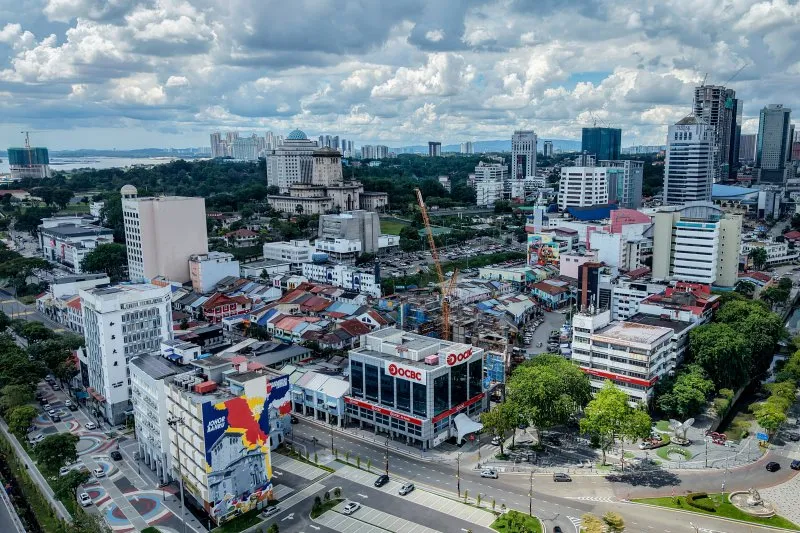


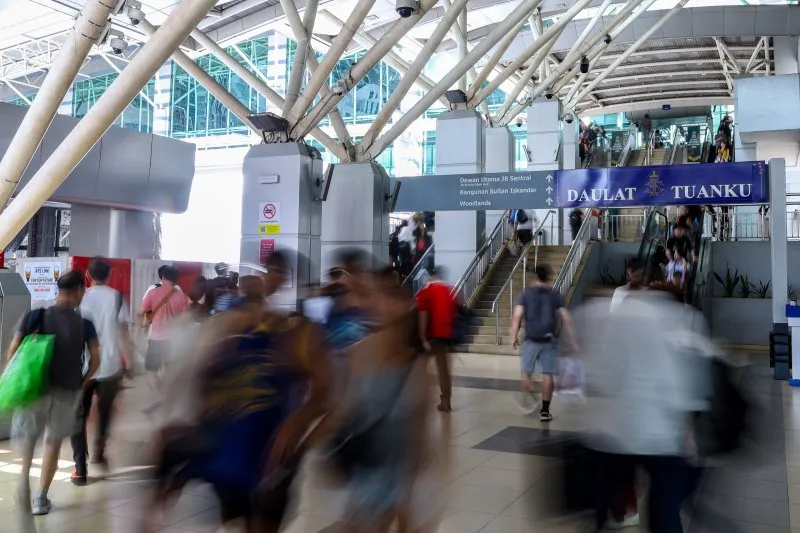
JOHOR BAHRU, Nov 24 — If all goes according to plan, the Johor Bahru-Singapore Rapid Transit System (RTS) Link will begin operations in February 2027, enhancing connectivity between Singapore and Malaysia, particularly Johor.
With a capacity to carry approximately 40,000 passengers daily and train frequencies of six minutes during off-peak hours and 3.6 minutes during peak periods, the light rail transit shuttle service connecting Bukit Chagar in Johor Bahru and Woodlands North in Singapore is expected to generate economic opportunities across various sectors in Johor. The journey between the two stations is expected to take about five minutes.
From small traders to players in the transport and property industries, businesses are hopeful that the RTS Link will boost their earnings by bringing in more visitors from Singapore.
There is, however, another possibility: could the increased cross-border movement lead to Johor Bahru merely serving as a stopover, while the economic benefits are largely confined to businesses operating near the Bukit Chagar RTS station?
Small traders hope to reap benefits
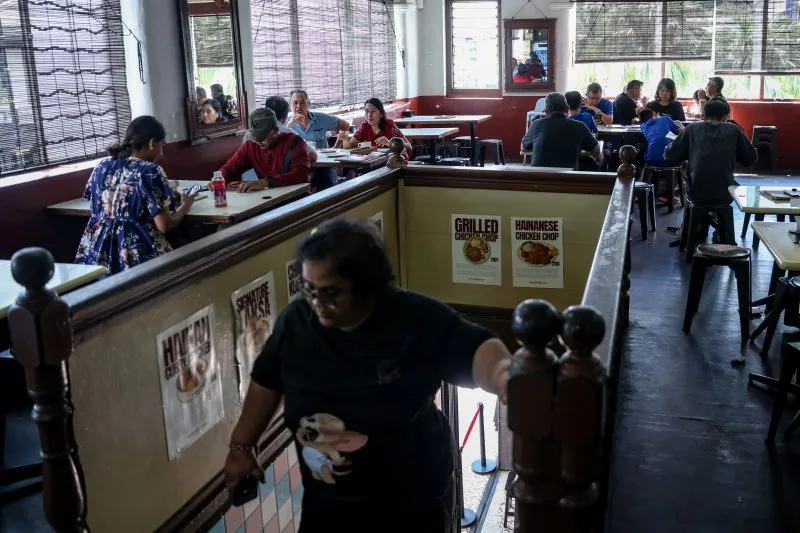
Restaurant owner David Chiang, 65, believes the new rail service will attract more Singaporean customers, not only at weekends but also on weekdays, which are usually quieter.
“When the RTS starts operating, it will be easier for Singaporeans to come to Johor Bahru. They might come for breakfast or lunch, go shopping afterwards and then head straight home,” he told Bernama.
He said Singaporeans already make up a large proportion of the clientele at his restaurant at Jalan Trus here, which has been operating for about 80 years.

Murni Suratman, 51, who has been running a breakfast outlet in Tebrau since 2014, also sees a hike in visitors from Singapore, who generally have greater purchasing power, once the RTS Link is operational.
“It will benefit entrepreneurs, small traders and restaurant operators,” she said.
However, businesses located away from the city centre and popular tourist areas may not benefit to the same extent.
For instance, an asam pedas restaurant operator in Kampung Melayu here, who wished to be identified as Iena, expects visitors to favour established food destinations such as Senibong. Nevertheless, she hopes that upgrading the area surrounding her business premises would help attract new customers.
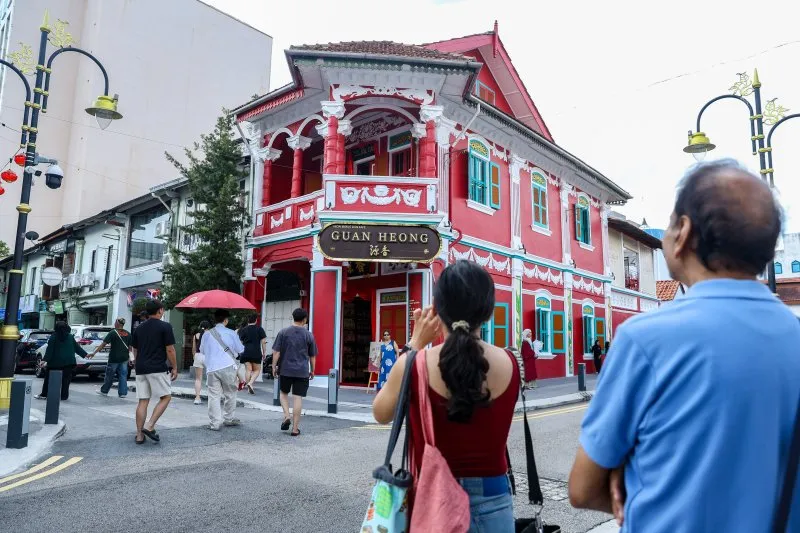
Traders interviewed by Bernama believe that the economic benefits of the RTS Link will not materialise automatically. Efforts will be needed to promote local products, highlight destinations beyond the established tourist hotspots and strengthen the competitiveness of local businesses.
Encourage overnight stays
While food operators are hoping for an increase in customers, the hospitality industry is endeavouring to turn short visits to Johor Bahru into overnight stays that generate greater visitor spending.
Malaysian Association of Hotels (MAH) Johor Chapter chairman Ivan Teoh said the RTS Link has the potential to benefit all segments of the hospitality industry, including five-star, mid-range and budget hotels, particularly those with convenient access to Bukit Chagar station.
He said hotel occupancy rates in Johor Bahru city centre currently stood at about 90 percent during weekends, with some hotels recording full occupancy during extended holiday periods.
The industry, therefore, expects the RTS Link to not only boost demand during peak periods but also stimulate bookings on weekdays.
“We expect occupancy rates to increase by between 20 and 25 percent during peak seasons,” Teoh said. “Smoother travel may encourage more Singaporeans to make day trips for shopping, dining and entertainment. However, Johor needs to offer more attractive experiences if it wants visitors to stay overnight.”
He believes healthcare and wellness services, medical tourism, diverse food offerings, entertainment and nature-based attractions could serve as additional draws, including for international tourists arriving via Singapore.
Destinations beyond Johor Bahru, such as Tanjung Piai, the various islands and nature-based tourism areas, could also encourage visitors to extend their holidays.
“Therefore, the main opportunity for the hospitality industry lies not merely in attracting more visitors, but in giving them more reasons to stay overnight,” he said.
Cannot sideline local entrepreneurs
Amid the potential growth in the tourism and service industries, questions have also been raised about the participation of local entrepreneurs in the business opportunities arising from the RTS Link development.
Johor Malay Economic Development Chamber president Zaini Atan said the organisation has proposed that at least 30 percent of commercial spaces within the RTS Link station area be allocated to local entrepreneurs, particularly Bumiputeras.
He said the station area is a good platform to introduce local brands to visitors from Singapore and international tourists, rather than being dominated by major business chains.
According to him, local coffee brands such as Kopi Tenggek and Kopi Teman Jiwa have the potential to be showcased as part of Johor’s identity.
“Our concern is that when the station opens, we may not see local companies represented there. Local businesses must be given the opportunity (to promote their products there). Otherwise, tourists may come without getting to see Johor’s own identity,” he said, stressing that all local entrepreneurs should be prioritised, regardless of race, provided that their products and businesses reflect their capabilities as well as the identity of the state.
Johor Malay Chamber of Commerce president Yazid Khalid identified the food and beverage, and retail and logistics sectors as among those likely to benefit directly from the RTS Link operations.
However, he said business opportunities should be offered transparently and announced well in advance to enable micro, small and medium enterprises to prepare in terms of financing, operational capacity and compliance with business requirements.
Yazid said an initial allocation of between 20 and 30 percent of commercial spaces for local businesses could be considered, alongside regular engagement sessions involving the state government, relevant agencies, project operators and business associations.
He added that the success of economic development should not be measured solely by investment value or an increase in visitor numbers, but also by the employment and business opportunities created for the local community.
E-hailing, property sectors
In the transport sector, the arrival of the RTS Link brings both expectations and challenges that need to be addressed in a balanced manner.
For e-hailing driver Mohd Sabran Md Sani, 47, the anticipated increase in passenger movement in Johor Bahru could boost demand for local transport services, but may not necessarily translate into better earnings for e-hailing drivers.
He said drivers were already under pressure from low fares, with some short trips generating net returns of as little as RM4, while they still had to bear fuel and vehicle maintenance costs.
He added that competition from bus services offering cheaper fares has also affected demand for e-hailing, particularly among Malaysians working in Singapore, who tend to prioritise lower commuting costs.
“There is no denying that the (RTS) project will have a major impact on the local transport industry. However, it remains uncertain how far the long-term benefits will extend as e-hailing drivers are currently grappling with various challenges, including fare rates that do not work in our favour,” he said.
Johor’s property market is also expected to benefit from the RTS Link as improved transport connectivity makes the state a more practical place to live.
Real Estate and Housing Developers’ Association Malaysia (REHDA) Johor chairman Gerard Soosay, who is also chief executive officer of Sunway Property (Southern Region) and Sunway City Iskandar Puteri, said the combination of the RTS Link and the Johor-Singapore Special Economic Zone (JS-SEZ) would serve as a key catalyst for the state’s long-term property market growth.
He said the approximately five-minute train journey between Bukit Chagar and Woodlands North could influence people’s decisions on where to live, work and invest.
“The RTS Link will make Johor more accessible, while the JS-SEZ will create more reasons for people to live and work here.
“It is the combination of these two factors that gives us confidence in the long-term prospects of Johor’s property market,” he said.
According to Gerard, Johor’s approved investments of approximately RM110 billion in 2025 and RM59.4 billion in the first half of 2026 also provide a positive foundation for the property sector’s growth when these investments translate into business openings and job creation.
He said the JS-SEZ is also expected to create at least 20,000 skilled jobs over the next five years, potentially stimulating housing demand among professionals and skilled workers.
Areas surrounding Bukit Chagar and the Customs, Immigration and Quarantine (CIQ) Complex and Johor Bahru city centre are expected to be among the first to benefit, while the development of a more comprehensive transport network could extend the impact to other areas.
However, Gerard cautioned that sustainable property market growth should not be assessed solely on expectations of rising prices but also be supported by actual transactions, rental demand and people’s decisions to settle in Johor.
“A sustainable property market is one where developers build responsibly, buyers make informed decisions and more Malaysians have the opportunity to own quality homes,” he said.
The views of economic players across various sectors suggest that the RTS Link has considerable potential to generate economic spillover benefits for Johor.
However, preparations for its operations should go beyond ensuring an efficient transport system to include strengthening the local economic ecosystem so that businesses and communities are well-positioned to capitalise on the opportunities ahead. — Bernama